Disclaimer: this video/review was not sponsored by Rolex, The 1916 Company or any other entity.
Video
Review
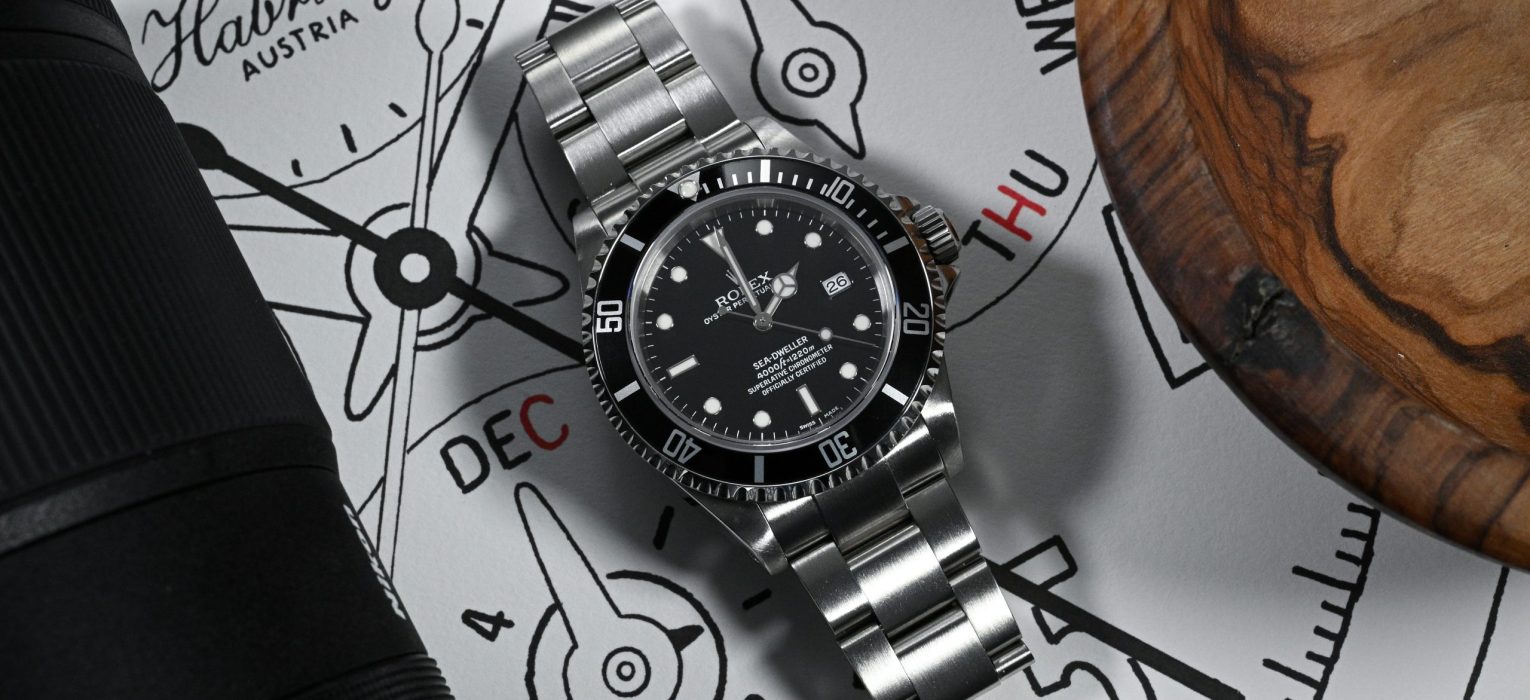
This is not going to be a normal review, because the Sea-Dweller 16600 isn’t a normal “review me” kind of watch given its age and availability. Mine is an early-1990s example, and it feels more like a time capsule than a product. So instead of pretending I’m doing an in-depth analysis of something current, this is going to be a little messy… a collection of the specific reasons this reference got under my skin and stayed there until I finally bought one.
Things I like:
First and somewhat loudest: no cyclops! I’m already pretty lukewarm to date windows in general, but a date window plus a magnifier is where my enjoyment goes to die. I say that as someone who owns a few watches with cyclops windows, but my hypocrisy can be discussed on another day. The 16600 keeping the date clean and flat under the crystal just looks more purposeful, more honest, and I like the fact that this decision was grounded in utility at some point, when achieving high pressure ratings relied on having thick crystals that couldn’t practically include a cyclops.
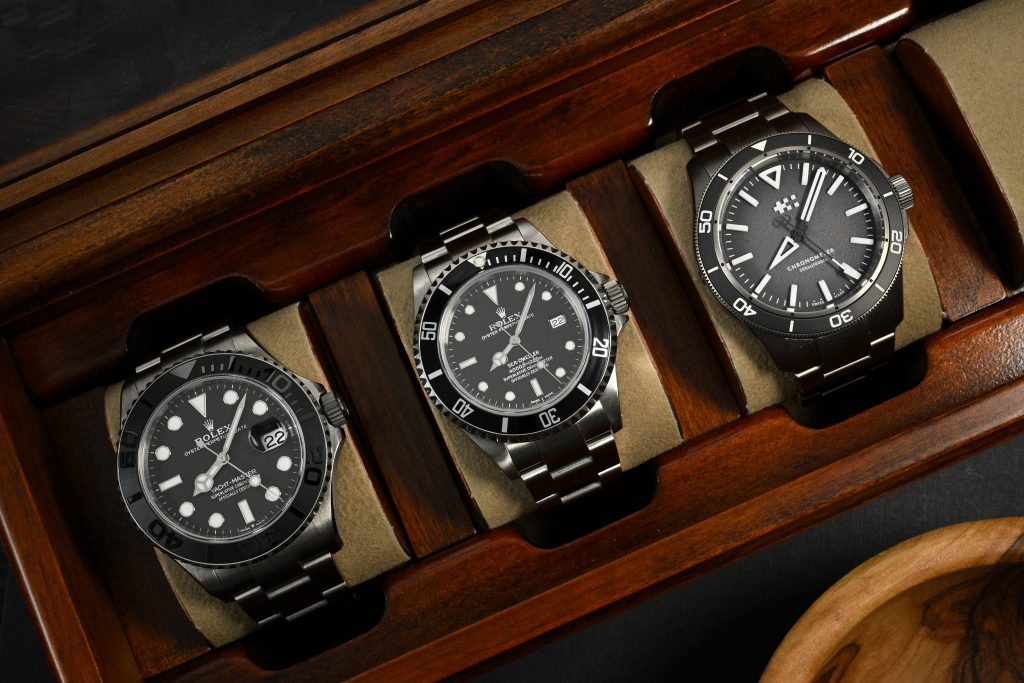
Then there’s the bezel, and yes, I’m planting my flag on aluminum over ceramic. Ceramic is “better” in the modern, practical sense: it’s harder to scratch and it stays perfect; but Rolex ceramic has a shininess that reads a little too flashy for what I want out of a sports watch. The slightly more utilitarian feel of an aluminum insert just suits this genre better, and it makes the whole watch feel like a tool first, luxury object second.
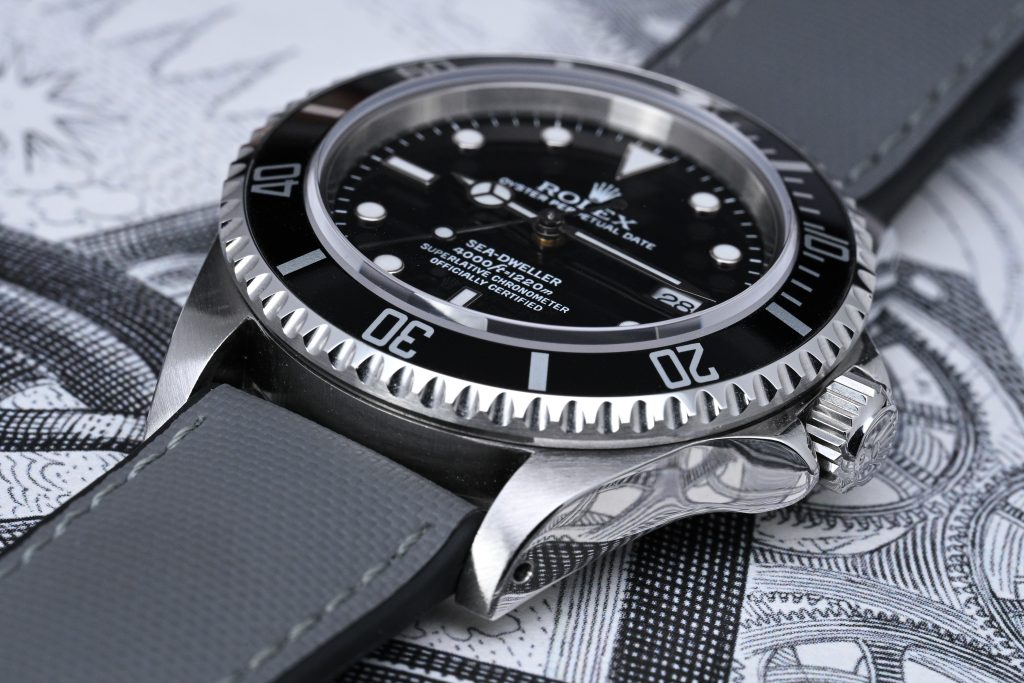
Another small thing that matters more than it should: no rehaut branding. Modern Rolex rehauts feel like billboards, and I can’t unsee it once I notice it. The clean, unbranded inner ring on the 16600 is a quiet reminder of when Rolex was still leaning harder into that utilitarian identity, before the brand fully embraced its current status-symbol era.
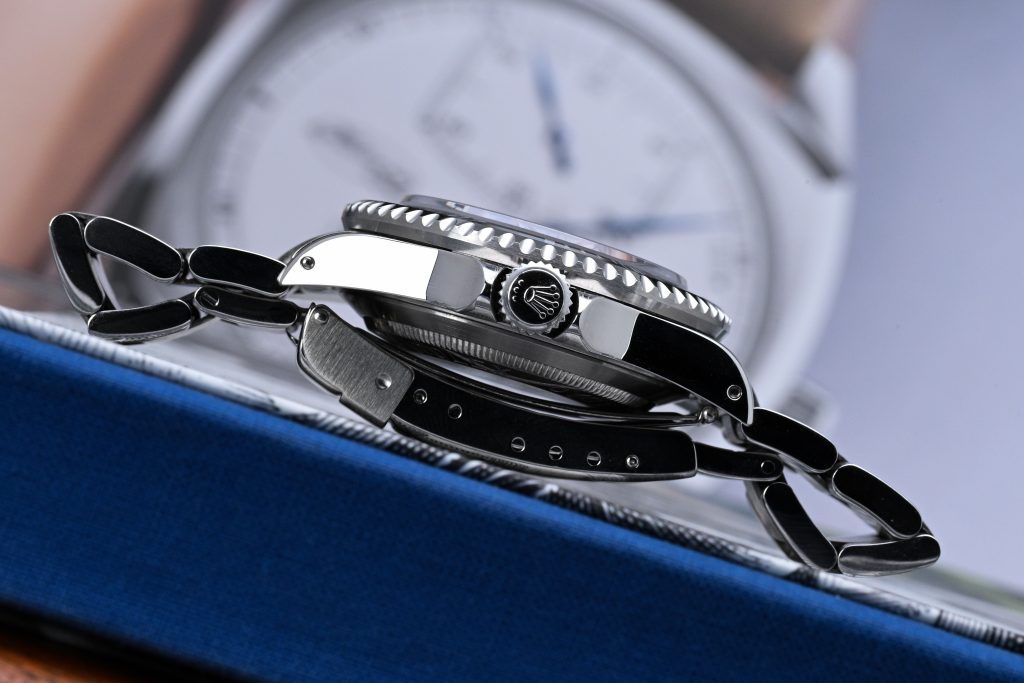
And then the drilled lugs and 1,220 meters of water resistance on a watch that’s roughly 35 years old. Drilled lugs just make life easier… strap changes are less stressful, and you’re not scraping up the underside of the lugs for no reason. And the depth rating? It’s totally vain, I’ll admit it, but there’s something deeply satisfying about knowing this old chunk of steel was engineered to survive pressure levels I’ll never come close to.
Things I like that I didn’t think I would like:
The first “negative” you hear about with the 16600 is the thickness. At 14.50mm, it’s undeniably a chunky fella… the kind of watch that reminds you it exists every time you slide a cuff down. But the proportions do a lot of heavy lifting here: a 39mm bezel, 40mm case, and 46.75mm lug-to-lug keep it feeling well proportioned, surprisingly compact and reasonably well planted on wrist. What really helps is how this era of dive watch cases handled their height. The mid-case feels comparatively sleek, and a lot of the volume is pushed into the bezel assembly and case-back. I don’t normally love a big protruding case-back, but on the 16600 I’ve come to appreciate it, because on-wrist it creates the illusion of a slimmer watch, almost like the watch is hovering rather than sitting as a tall slab.
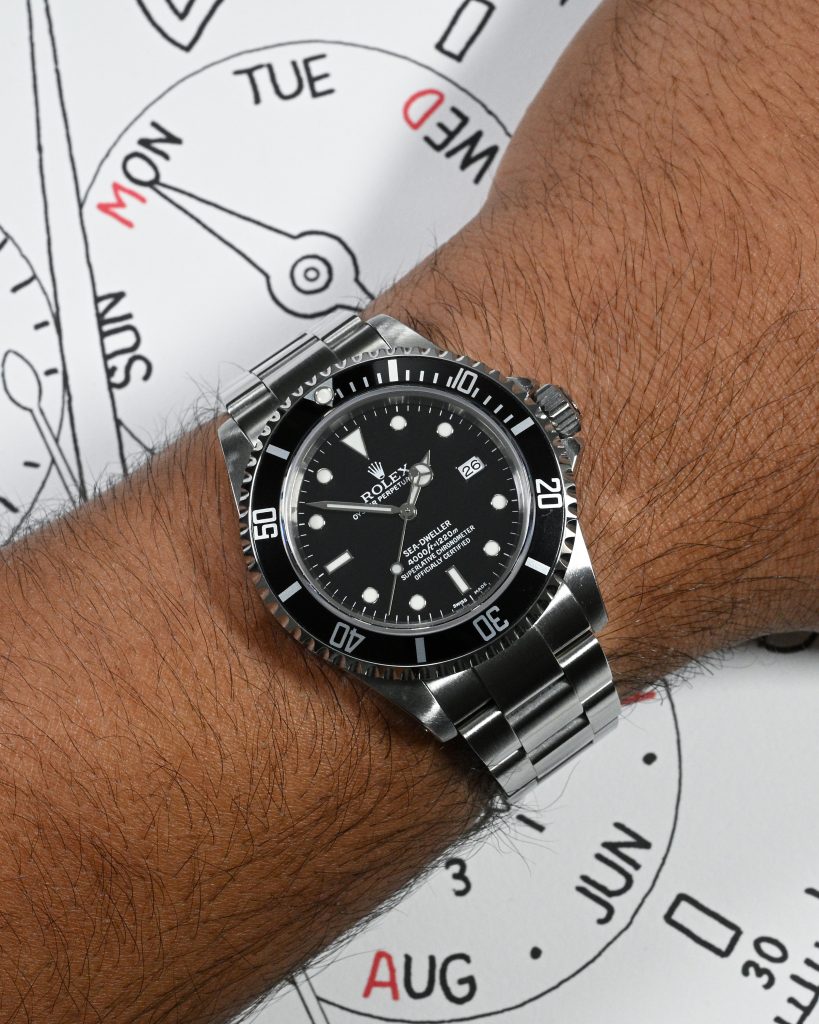
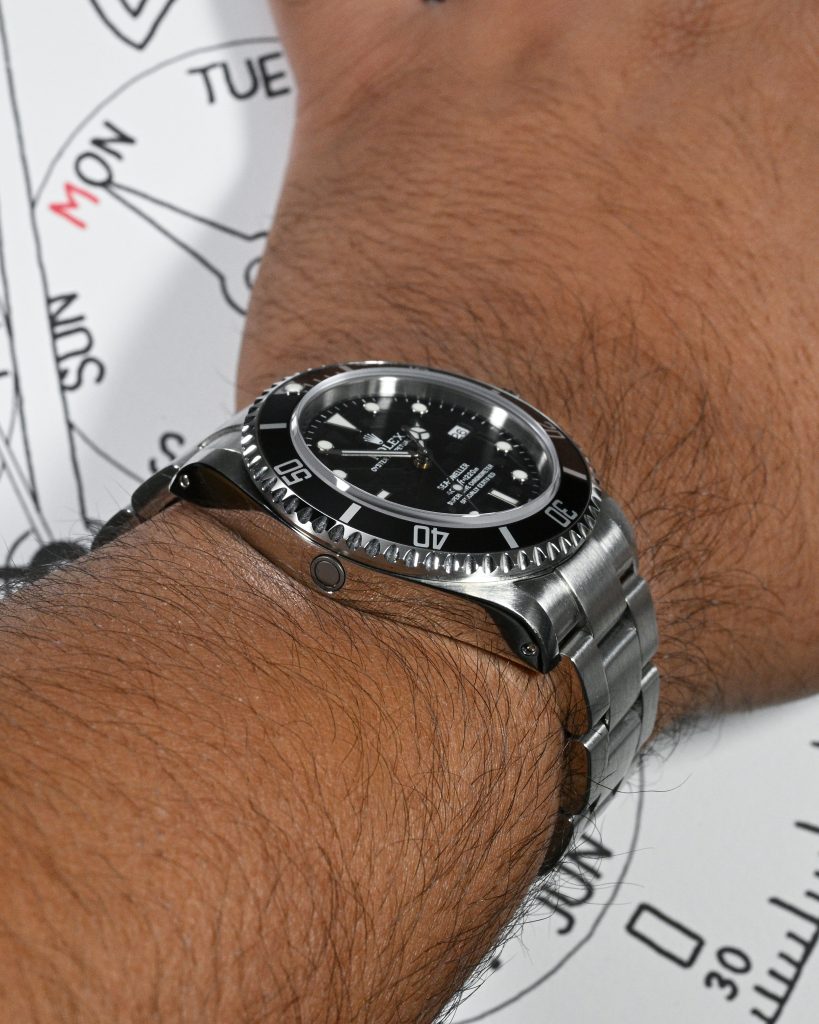
And honestly, the thickness complaint gets a little softer when you remember what Rolex was doing here. Packing 1,220m of water resistance into 14.50mm in the early 1990s is kind of absurd in the best way. It also makes it hard not to side-eye modern watches that show up at 14mm+ with a genuinely pathetic 30m water resistance: and yes, Grand Seiko, I’m looking directly at you and your SBGM221 GMT.
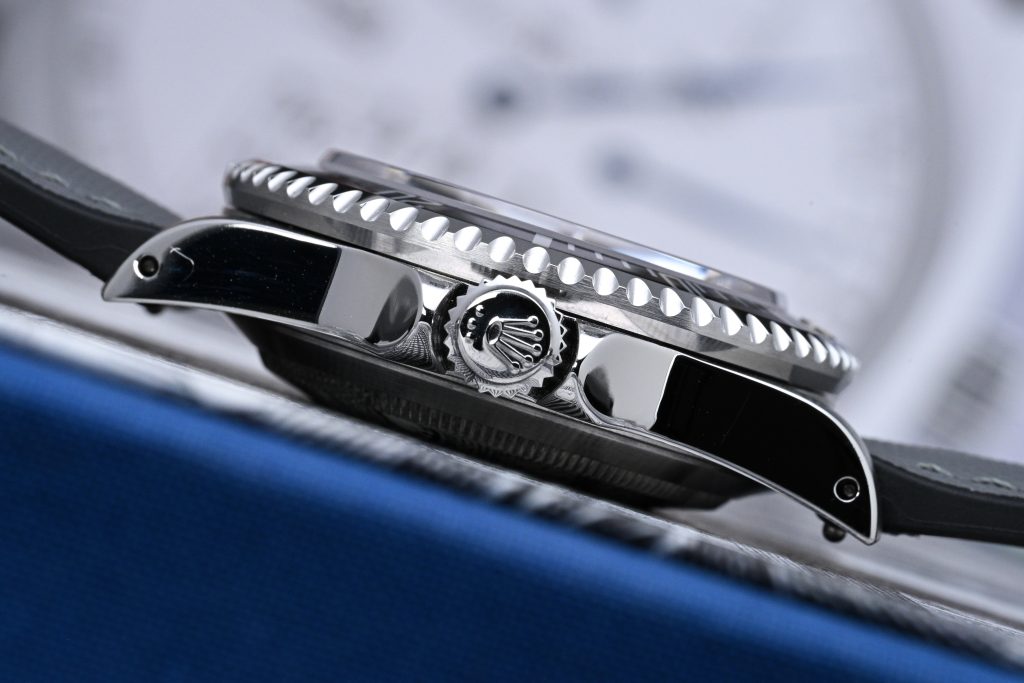
Then there are the hollow links, another thing that gets filed under “old Rolex drawbacks” by default. And sure, modern solid links feel more substantial, more premium, more “block of metal”. But the silver lining here is that the bracelet doesn’t turn the watch into a wrist weight… the whole package stays surprisingly modest considering the spec sheet: about 86g for the head and roughly 55g for the bracelet.
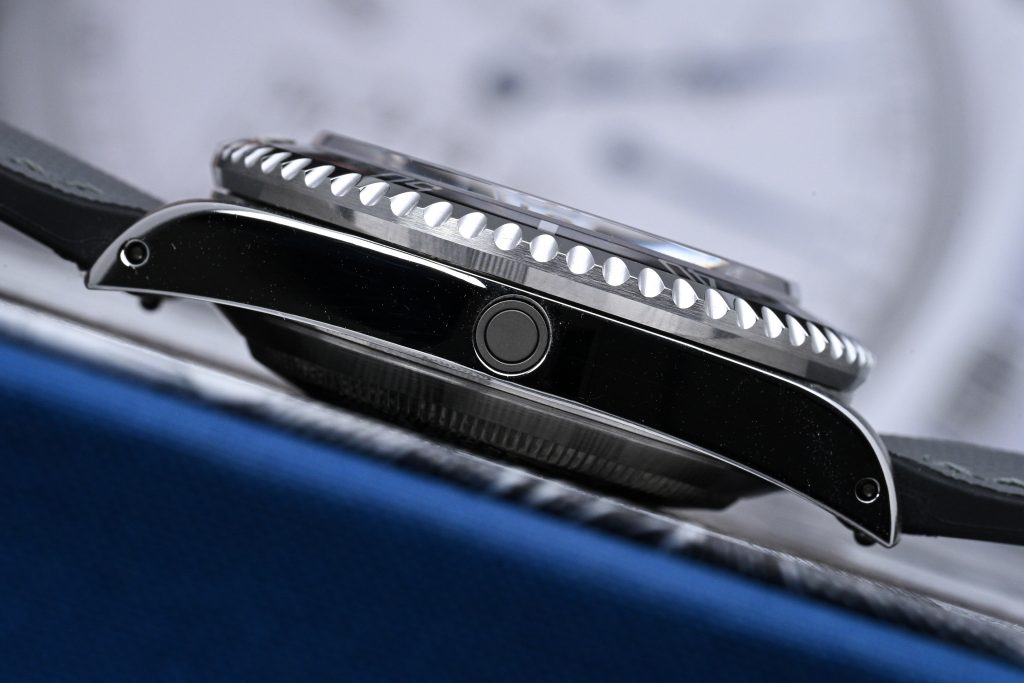
The helium release valve is another feature people love to dunk on in 2026, mostly because it feels like cosplay on modern watches. But on a 16600 it hits differently. It feels less like a marketing checkbox and more like evidence that this thing was designed for a specific, nerdy, overbuilt purpose: from the tail end of the era when Rolex was still very comfortable making something that wasn’t trying to appeal to everyone.
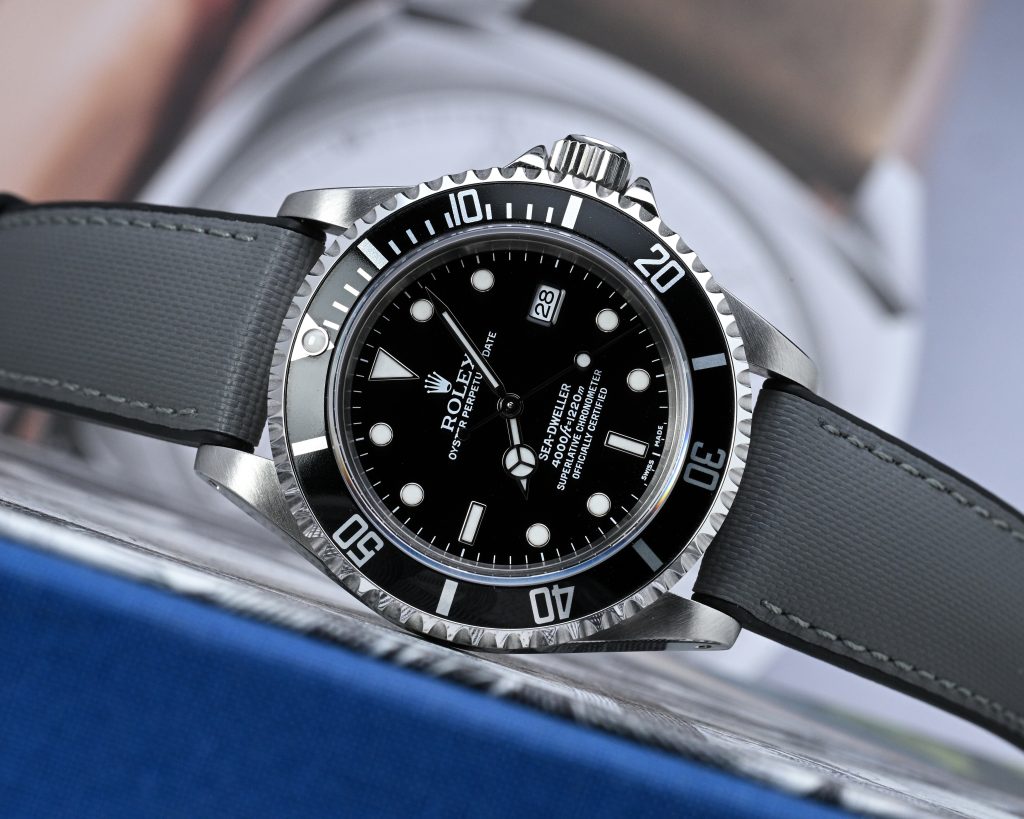
And while we’re on design choices that matter more than they should: lug hole placement. Modern Rolex cases often optimize lug geometry so aggressively for the bracelet that the watch looks awkward the second you put it on a strap: like it’s offended you even tried. Older Rolexes tend to take straps better, and the 16600 is no different. It looks natural on rubber, NATO, even leather in a weird “don’t tell anyone I did this” kind of way.
Things I don’t like:
Now, a couple things I think are worth flagging for anyone eyeing one of these, because they’re not dealbreakers… but they are realities. The clasp is dated, full stop. You’re getting the old-school diver’s extension, the drilled holes for micro-adjustment, and that thin folded-over lock that makes zero effort to hide its age. If you’re expecting modern Rolex clasp luxury, you’re going to feel like you time-traveled in the wrong direction.
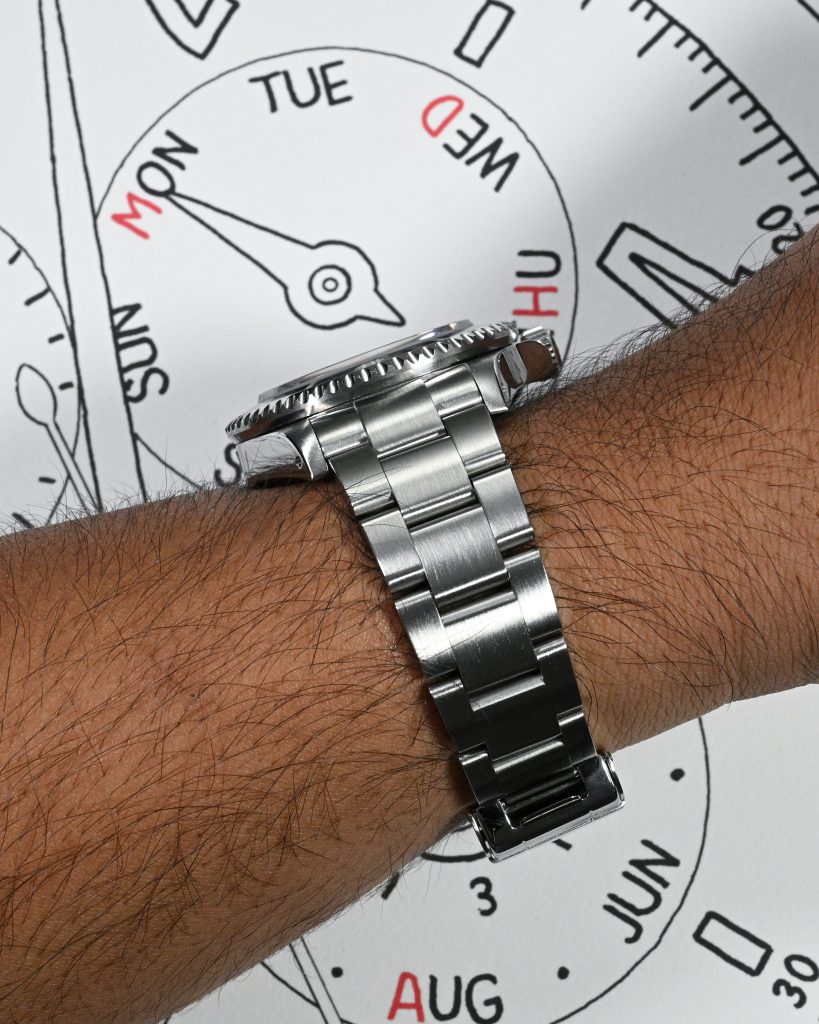
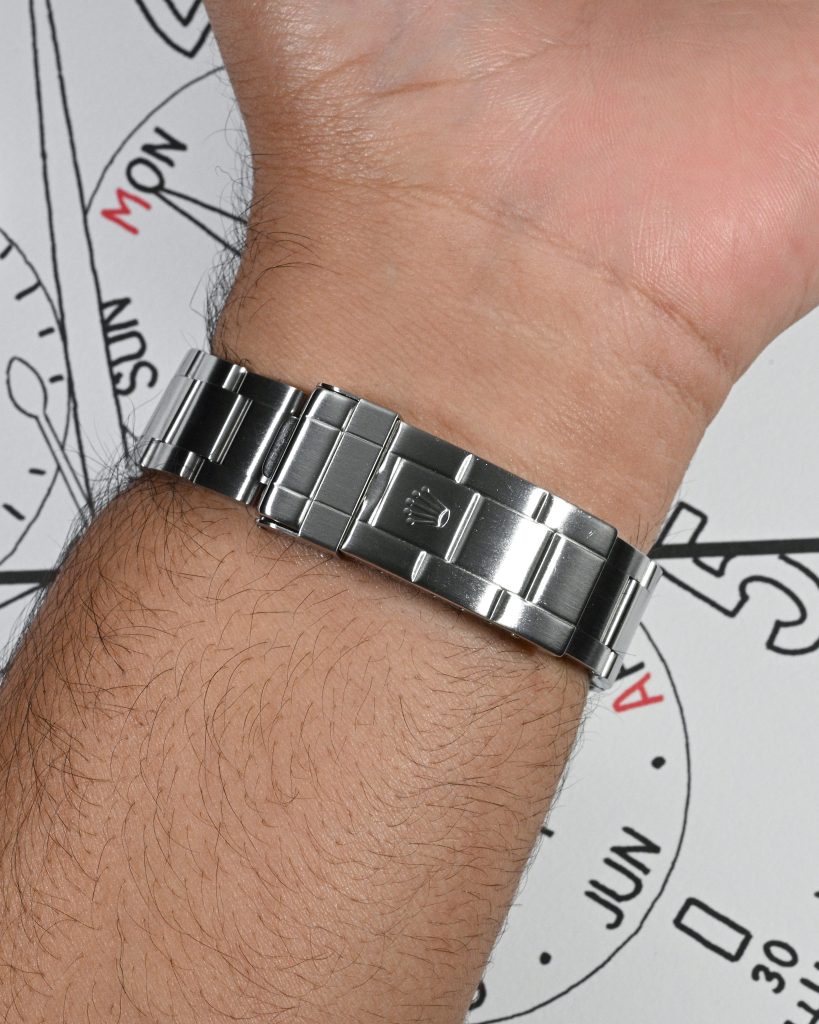
The other one is the link layout / fit situation. On my 6.75″ wrist, I couldn’t quite dial in the perfect fit and have the clasp perfectly centered. Part of that is on me… my wrist is annoyingly asymmetric, so I need more links removed at 6 o’clock than 12 o’clock; but there weren’t enough removable links on the 6 o’clock side to get it exactly how I wanted. I know it’s possible to address at a Rolex service center, and I may do it eventually, but it’s worth noting if you also have a smaller or lopsided wrist.
Rolex CPO: A reasonable solution to “I’m scared to buy vintage”
One last note, because I think it matters: I bought mine through Rolex CPO, and yes… it costs more than your neighborhood dealer. But for me, the value is real. I like knowing the movement hasn’t been “touched up” with mystery parts or even just serviced badly, which is something I’ve seen more often than I’d like. I like that it’s been tested back to spec, and I like having a Rolex warranty backing up a watch that’s old enough to have opinions about music.
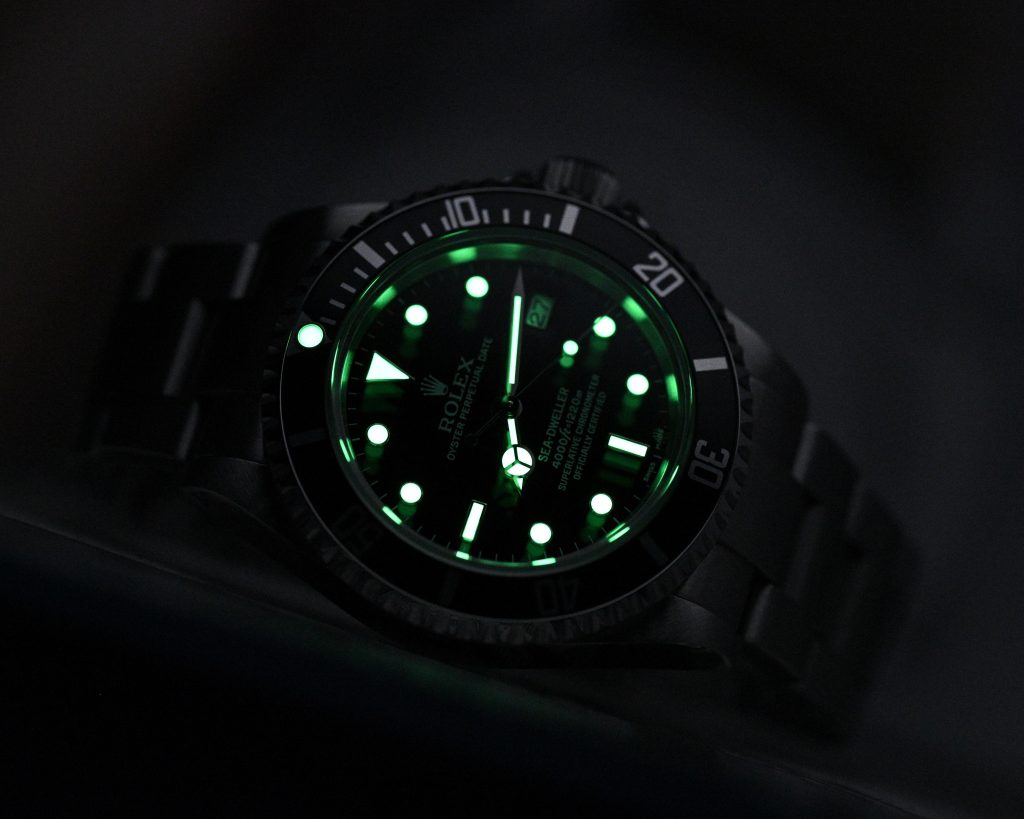
The CPO experience is also oddly satisfying too, in the small ways. The little pouch is nice, the CPO warranty card scratches the same itch as a full set, and it just feels… official. That said, not all CPO is priced the same. And while 1916 Company has a reputation for pricing their pre-owned watches much higher than market, I’ve noticed that their CPO prices often comes in better than others (looking at you, Bucherer), so it pays to shop the program rather than assume “CPO price” is one universal number.
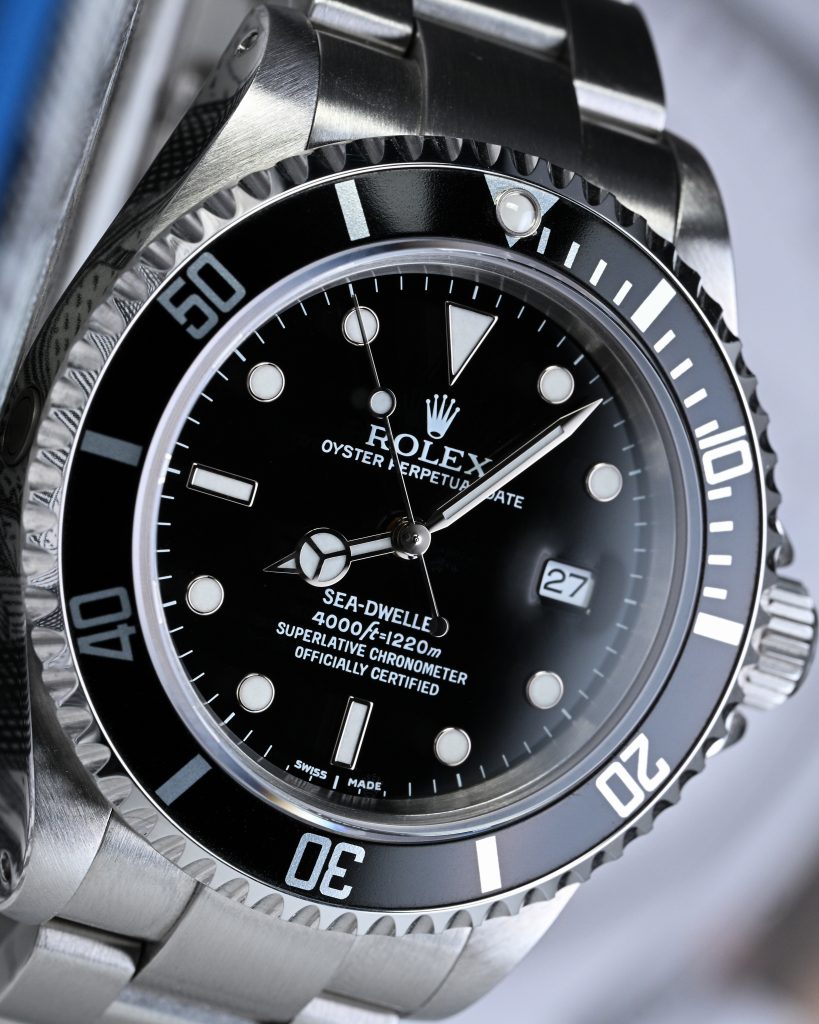
And that’s kind of the story of the 16600 in general. On paper it has plenty of reasons to be “worse” than a modern diver: thicker, older bracelet tech, dated clasp; but it keeps redeeming itself in the ways that matter on the wrist. It’s a watch that feels unapologetically engineered, not curated, and that’s exactly why I wanted it.