Disclaimer: this video/review was not sponsored by Phorcydes or any other entity.
Video
Lume Blocks: The Final Frontier
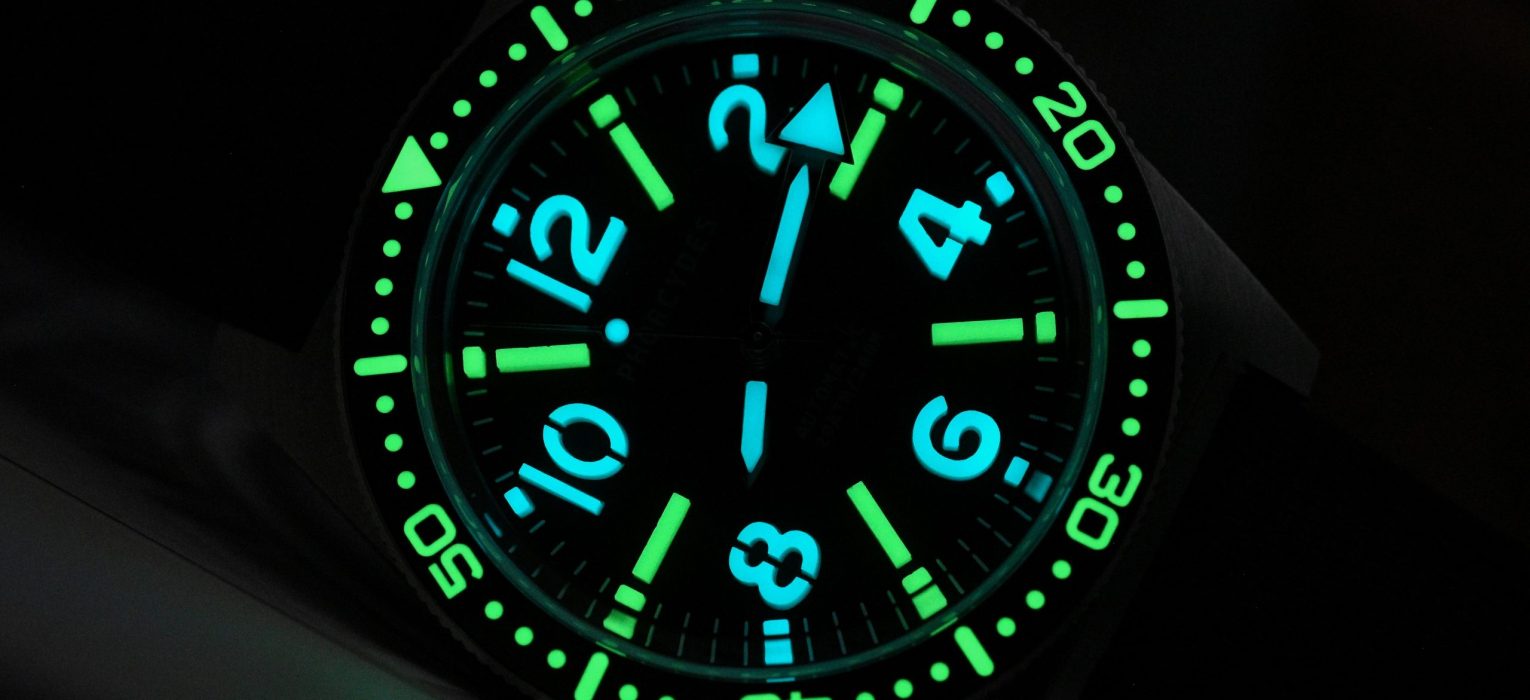
If you’re the kind of person who can’t help comparing lume shots, timing fade rates, or getting irrationally excited about a watch glowing well in a dim room, then you’ve probably noticed that some of the most impressive lume today is no longer just about better pigment. More and more, it is about shape, structure, and volume. And that shift has created a whole category of watches where the low-light or no-light experience can feel far more dramatic than a traditional lumed dial. The Phorcydes PH4A is an interesting example of that trend, because it delivers the kind of lume performance that usually gets associated with much more expensive watches, yet it sells for around $220.
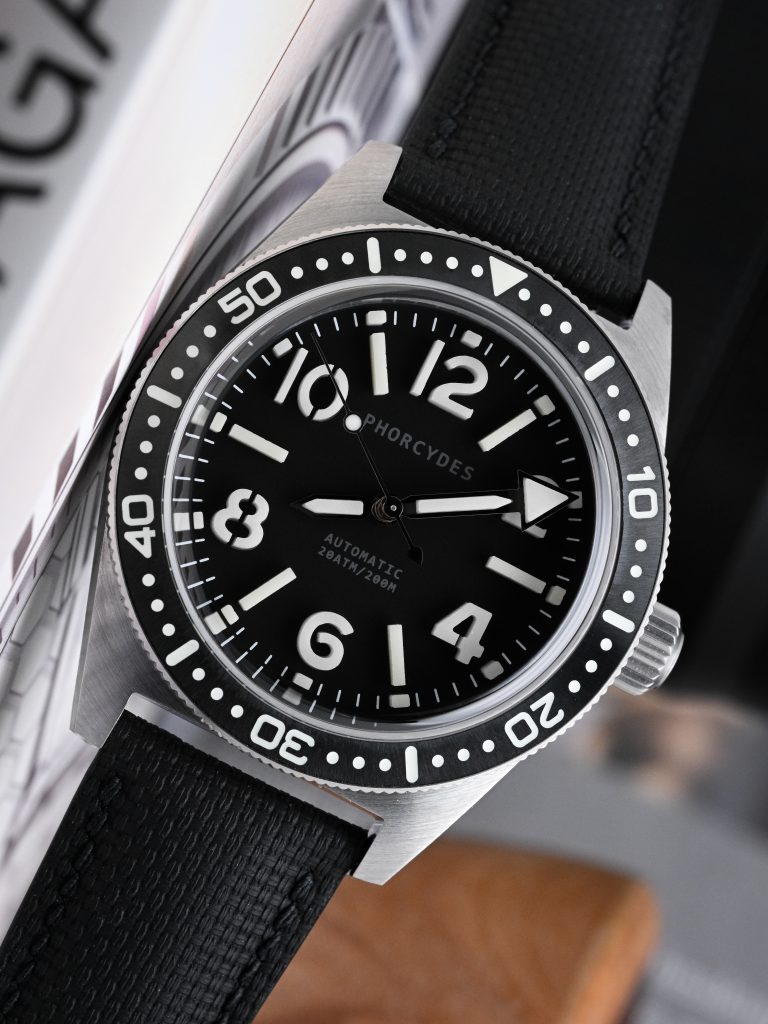
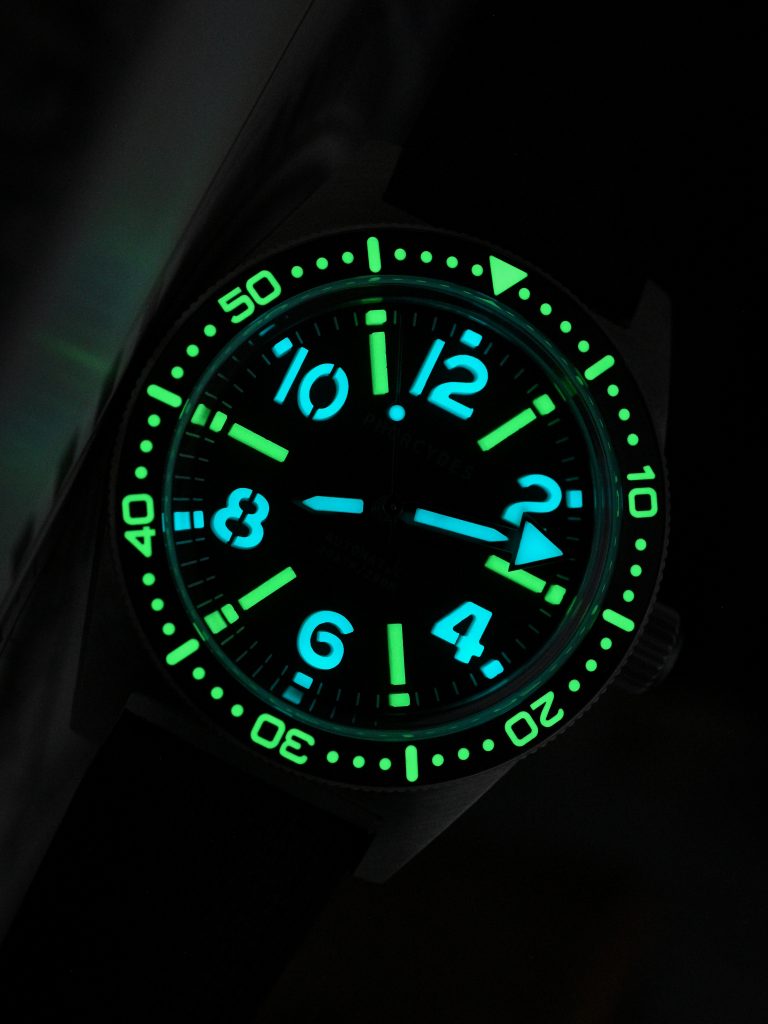
A big reason I decided to make this video, and write this article, is because I received quite a few messages from fellow lume addicts and followers asking me to check this watch out. And I understood why. The PH4A had already started to develop a reputation for having absurdly potent lume for the money, which naturally raises the question: what exactly are they doing here?, and how close does it really get to the better known high-end implementations?
Volume, Definition & Structures
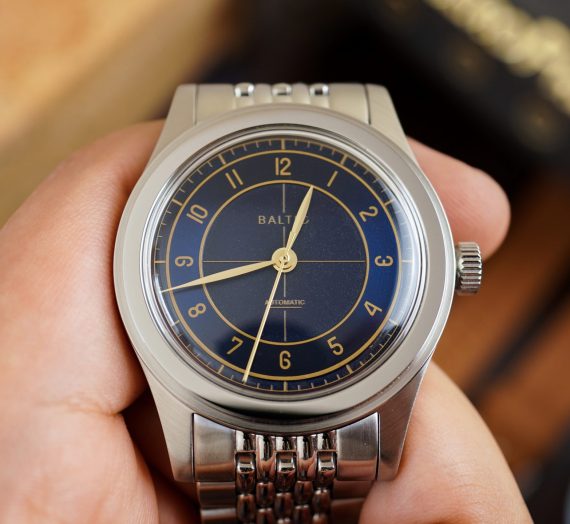
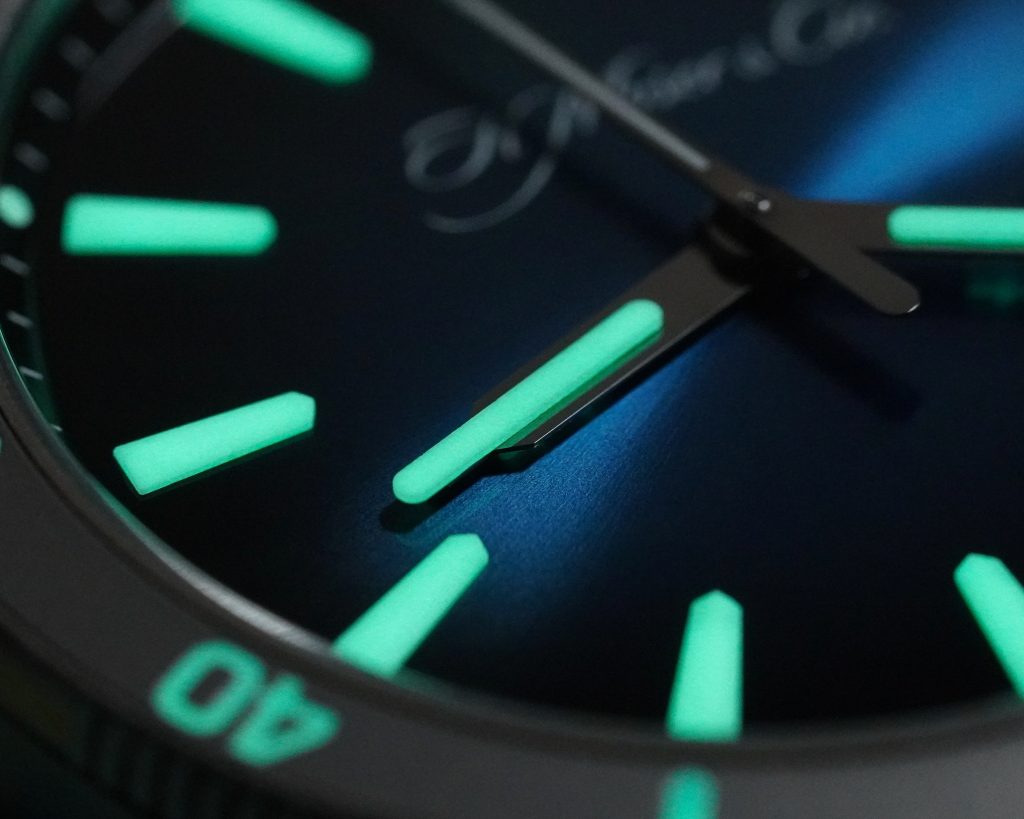
To answer that, it helps to zoom out a little. For a long time, the lume discussion was mostly about pigment. What type was used, how bright it charged, and how long it stayed readable. But watches using systems like HyCeram (MING 18.01, MING 20.11, MING 29.01, etc.), Lumicast (Wicked Watch Co. Pearl Diver, Baltic Hermetique, Aquascaphe Mk2, etc.), and Globolight (H. Moser & Cie. Pioneer Diver, Christopher Ward Lumiere, Christopher Ward Bel Canto Lumiere, Christopher Ward C63 Extreme GMT, etc.), and similar approaches have shifted that conversation toward something more interesting. At a certain point, the real difference is no longer just the luminous compound itself, but how that compound is shaped, how much of it is present, and how effectively it is used.
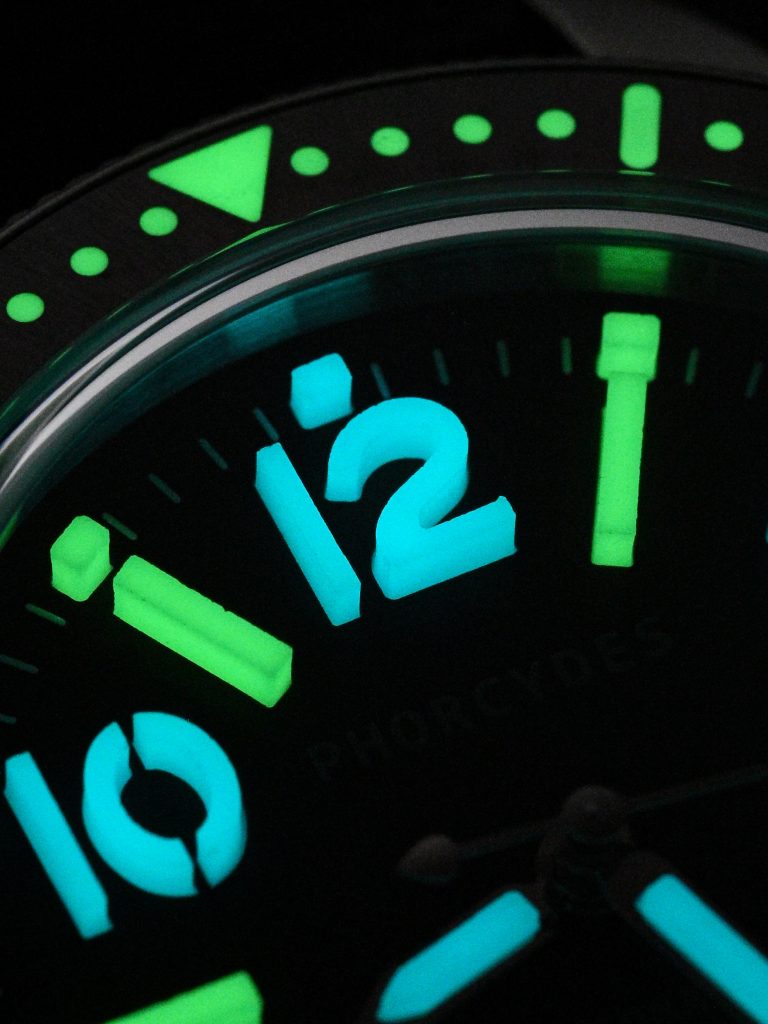
That is really the appeal of 3D luminous elements. A conventional lumed marker usually gives you one illuminated surface. A proper lume block gives you volume. The marker itself becomes a luminous object rather than just a metal shape with lume applied to the top. And when that is done well, it looks fantastic. It gives the dial more presence in low light, it creates a more sculptural glow, and it tends to feel more immersive because the entire form is participating rather than just a thin coating.

That is also why so many higher-end brands have started using these systems. Christopher Ward’s Lumiere (Trident, Bel Canto) models are a great example because they show how good 3D lume can look when both the material and the finishing are taken seriously. The blocks are not just thick, they are shaped and faceted in a way that makes them visually interesting in daylight too. Similar can be seen on the H. Moser & Cie Pioneer, which also uses Xenoprint’s Globolight XP.

MING has approached the same broader idea from a different angle with HyCeram, using fused luminous material in sapphire components to create a floating, layered effect that plays with light and shadow.
Even more high end independent watchmakers appear to be embracing these materials, as seen on the Simon Brette Chronomètre Artisans Steel, Lang & Heyne‘s Friedrich III, Georg & Anton, Artime ART01, HYT Hastroid, Sarpaneva Daredevil, Hautlence, etc. Different methods, same lesson: once lume becomes a real physical structure rather than a flat application, it can do much more.
Why are we talking about the Phorcydes PH4A?
And that is what makes the Phorcydes PH4A worth talking about. Not because it is a particularly original design, and certainly not because it feels like some major breakthrough in engineering, but because it seems to have found a very efficient way to deliver the one thing that most lume enthusiasts actually care about: a huge amount of visible luminous performance at a very low price. In raw output, it is impressive enough that I would not hesitate to mention it in the same conversation as watches using HyCeram, Lumicast, and Globolight.
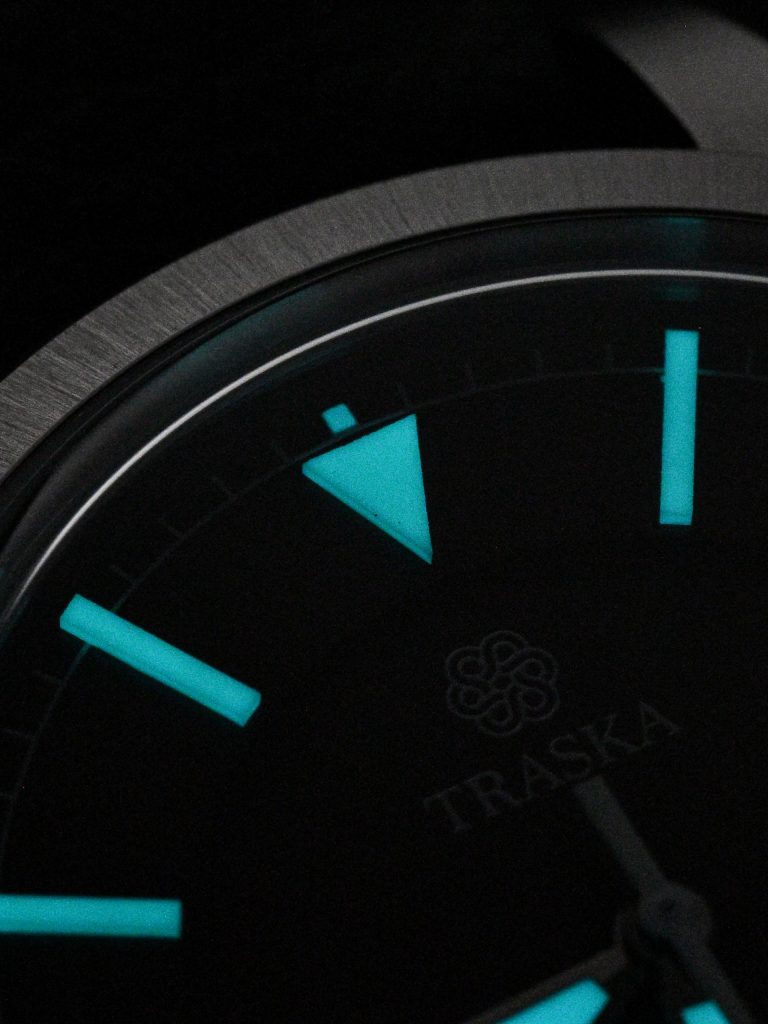
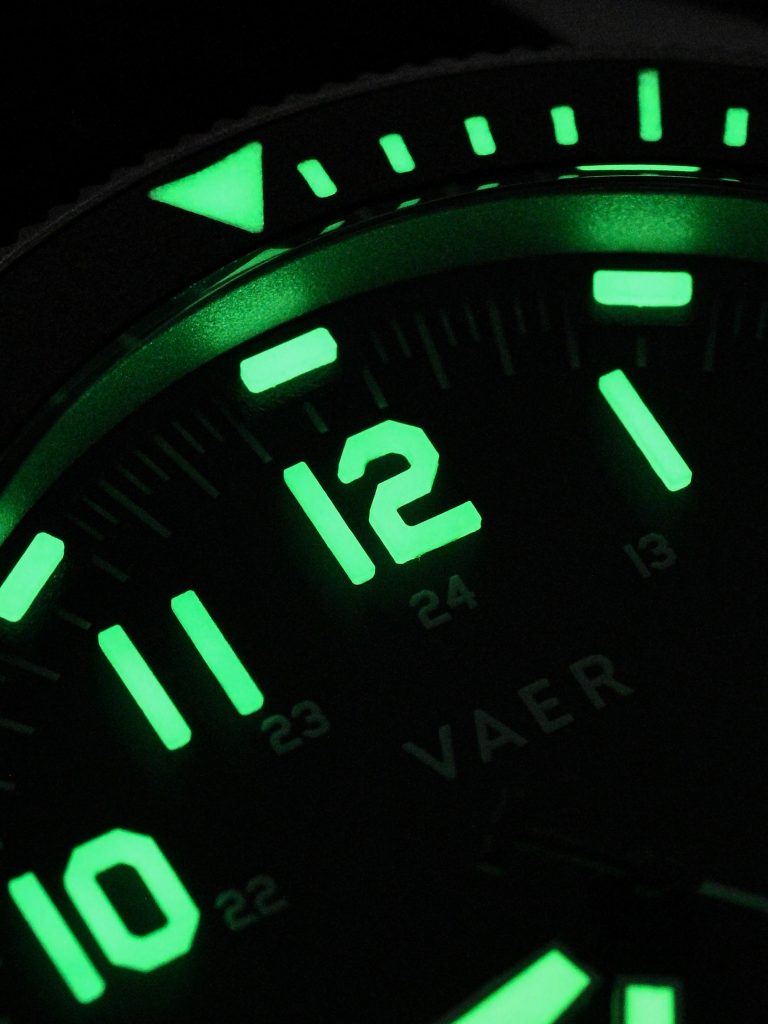
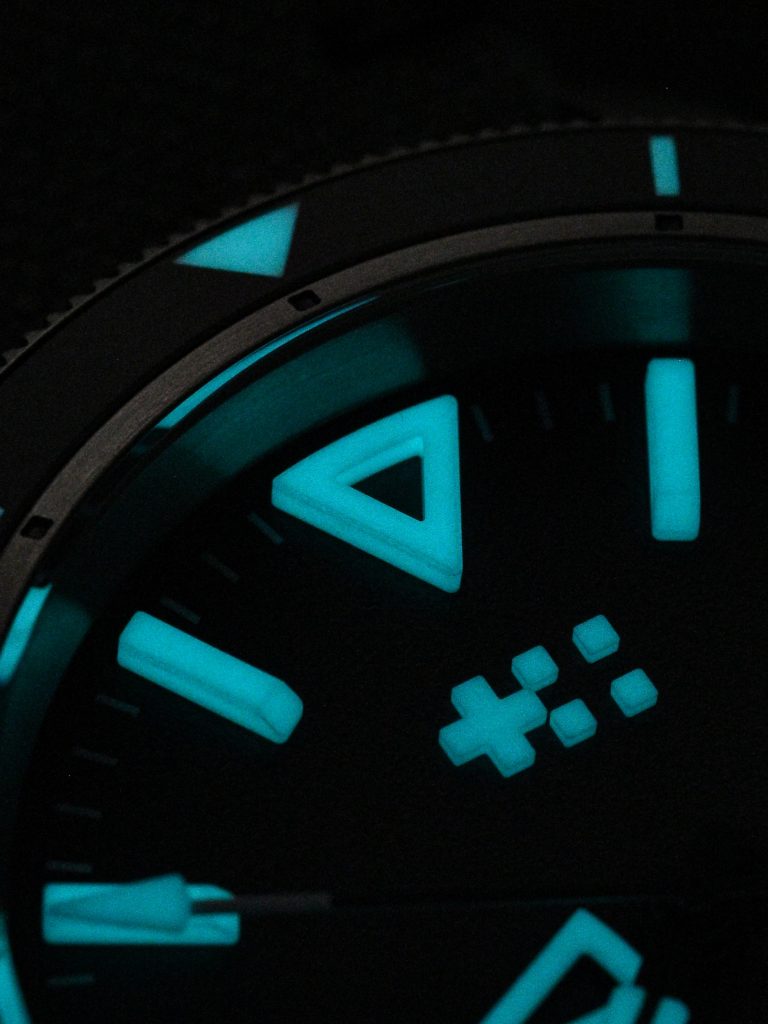
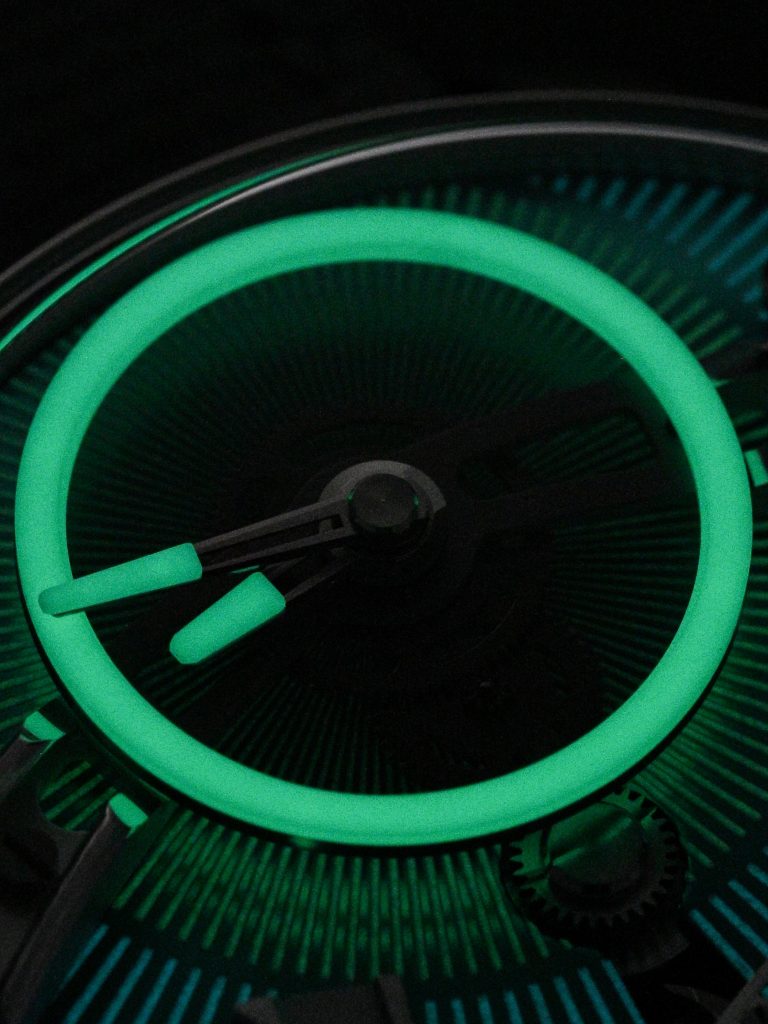
That matters because it highlights something enthusiasts sometimes overlook. The most expensive luminous systems are not always the only route to excellent lume. A lot of practical performance comes down to luminous mass, exposed surface area, geometry, and how well the whole display is balanced. If a brand can make thick, heavily loaded luminous blocks efficiently, and pair them with hands and markers that make proper use of that material, the result can be extremely effective even if the process itself is less refined or less prestigious than the Swiss alternatives.
Phorcydes PH4A: A Mini Review?
As a watch, the PH4A is actually better than I expected for the money. It measures 39.5mm in diameter, 47.5mm from lug tip to lug tip, 13.3mm thick, with a 20mm lug width, a 6.05mm screw-down crown, and a head-only weight of 67 grams. On paper, those are fairly sensible dimensions for a compact diver-style watch, and in practice it wears pretty well.
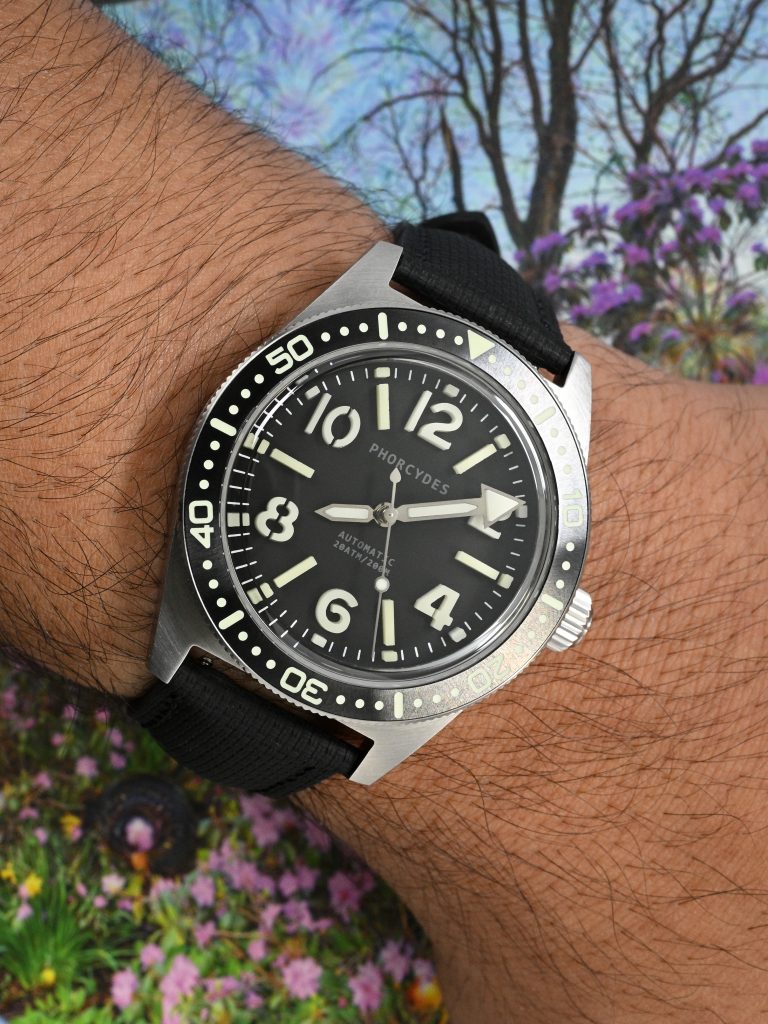
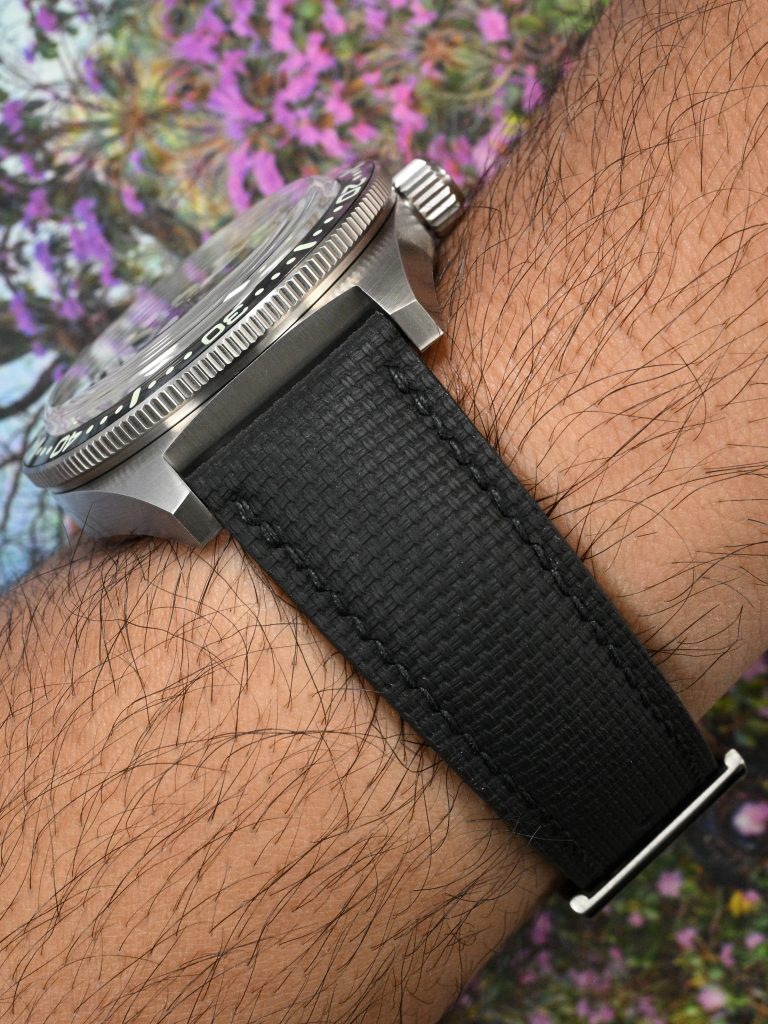
The design itself is also very clearly borrowing from classic skin diver territory, and more specifically it comes across as a fairly obvious copy of watches like the Glashütte Original SeaQ. So this is not a watch I find especially interesting from a design standpoint. But in terms of pure build quality, it is still a surprisingly competent object for the price.

The case construction and finishing are particularly impressive at this level. The surfaces are clean, the overall build feels solid, and the bracelet is better than I expected too. The links are well detailed, fit together nicely, and the clasp even includes on-the-fly adjustment while feeling properly made rather than like a cheap convenience feature added for marketing. This is one of those watches that reminds you just how much Chinese manufacturers are now capable of doing at very low prices when the goal is execution rather than originality. And being able to experience that is certainly worth the purchase, if this kind of stuff interests you.
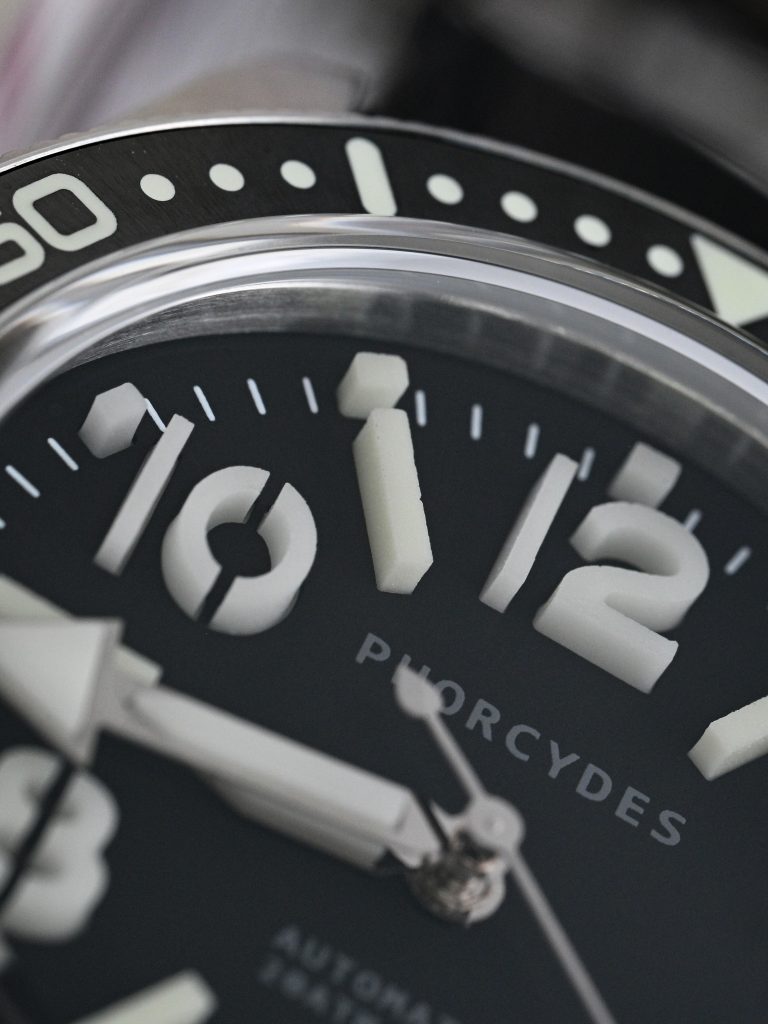
At the same time, this is still very far from a luxury-watch experience. The bracelet on mine showed stains right out of the box, and it had that unmistakable smell of a manufacturing facility, with oil and residue still hanging around. That is not a deal-breaker at $220, but it does immediately put the watch back into perspective. And while the lume blocks themselves are thoroughly impressive in terms of both output and overall visual effect, their quality control up close is rough. On my watch, most of the blocks show chips, cracks, or other imperfections, and they are nowhere near as cleanly finished as the multi-faceted blocks on something like the Christopher Ward Lumiere. So while the performance is absolutely there, the refinement is not.
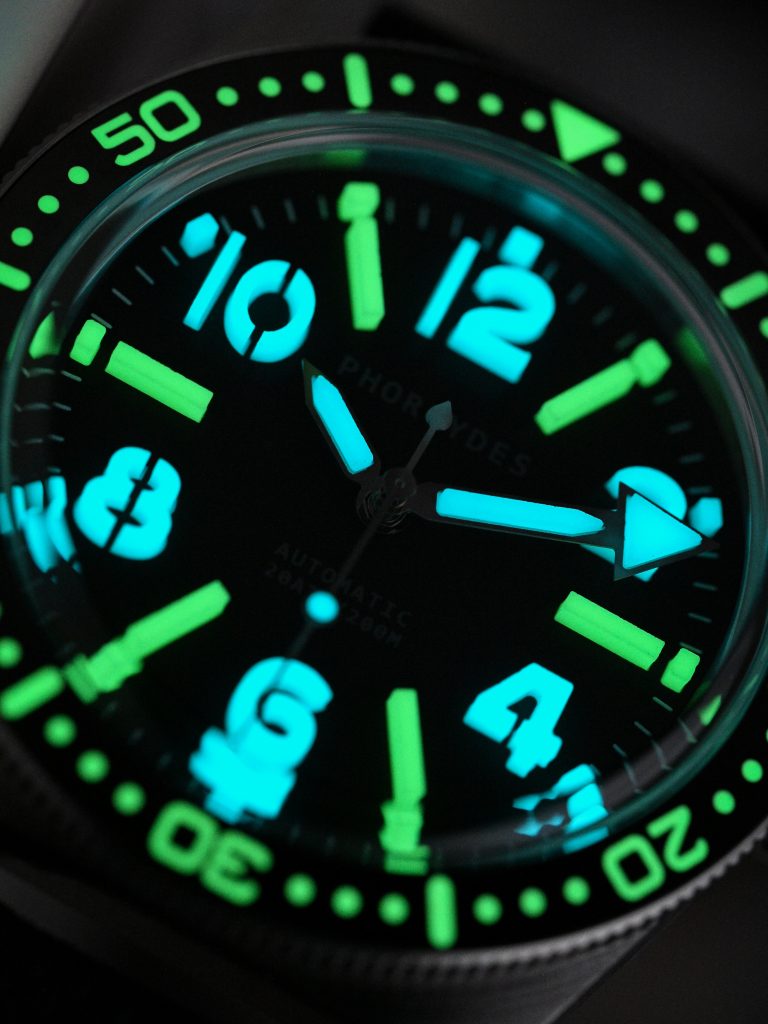
But that is also why it is hard to be too critical. Because the PH4A is not really interesting to me as a luxury object, a piece of design, or some feat of refined watchmaking. I bought it for a much narrower reason. I wanted to see what is now possible from a manufacturing perspective, especially from a Chinese brand working at this price point, when the main priority is clearly lume. And in that context, it is hard not to come away impressed.
Lume: Live Long & Phosphor
And if there was a point to this review, I suppose it would be that 3D luminous elements are no longer some niche novelty reserved for expensive watches. They have become one of the most effective ways to make a watch both more visually exciting and more practically legible in low light. The higher-end executions often (not always) justify themselves through better finishing, better tolerances, stronger integration, and in some cases more sophisticated materials. But the Phorcydes PH4A shows that the core appeal of this genre, the part that makes lume enthusiasts care in the first place, can now be accessed for surprisingly little money. And if anything, watches like this should encourage you as an enthusiast to demand more from the high end luxury brands that are constantly trying to sell you less, for more.
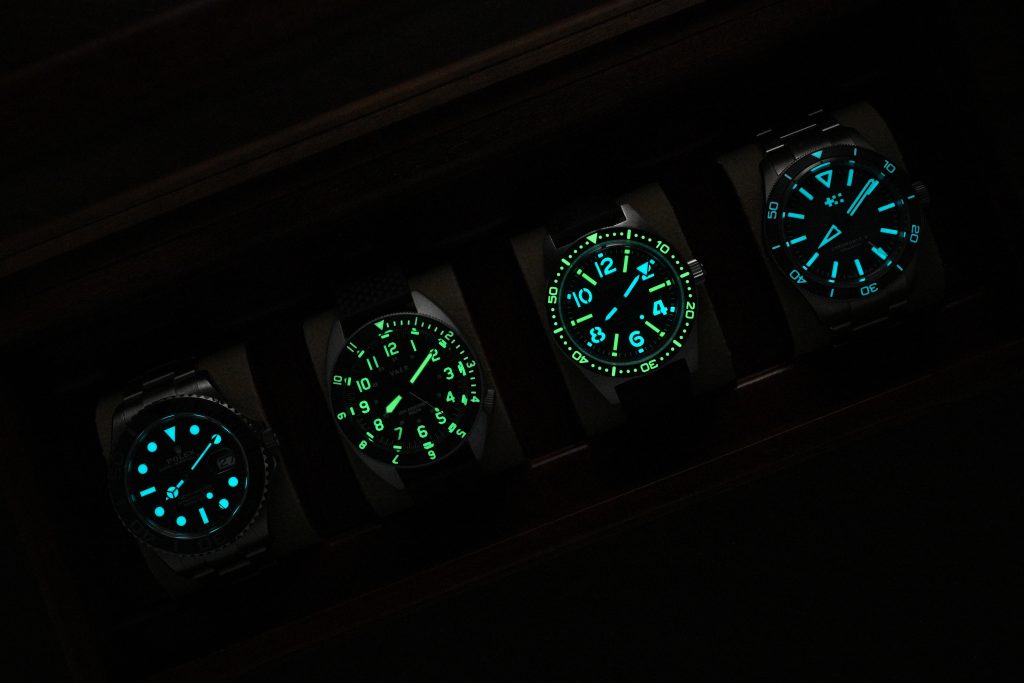
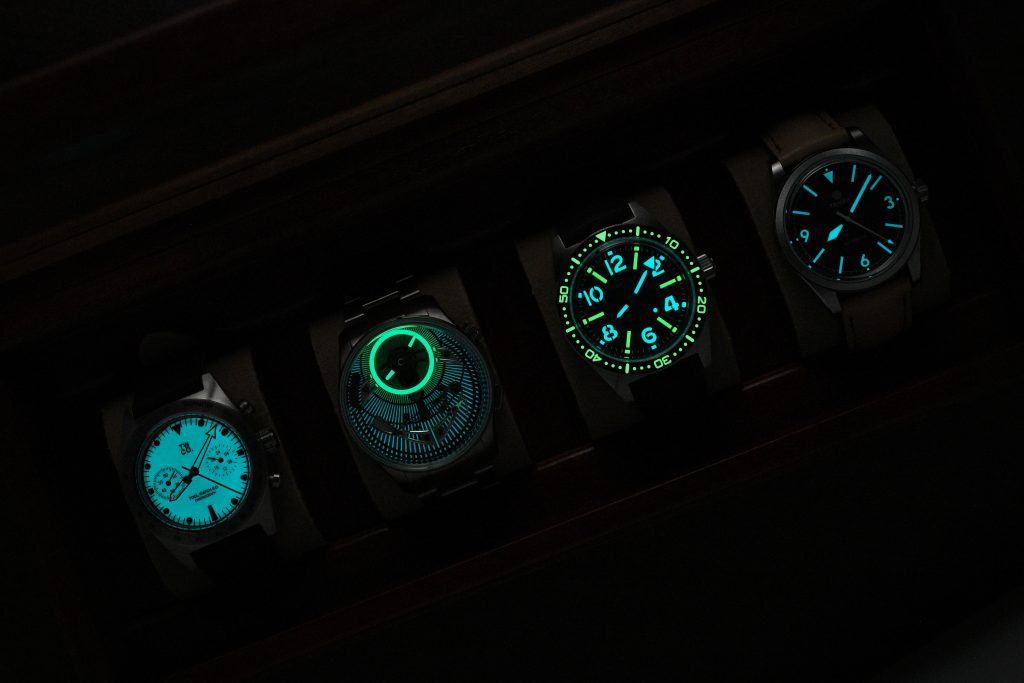
And that, really, is why this watch matters. Not because it is the most refined example of 3D lume, and not because it is a watch I would hold up as some great design success, but because it proves how much of the effect can be achieved when a brand focuses on the fundamentals: a lot of luminous material, shaped properly, used intelligently, and sold cheaply. If you care about lume, that alone makes the PH4A worth paying attention to.