Disclaimer: this video/review was not sponsored by Habring, Infinity Watches CZ or any other entity.
Erwin Tuxedo at Infinity Watches CZ: https://infinitywatches.cz/produkt/habring%c2%b2-erwin-tuxedo/
Video
Part 2: A Brand For Owners
In Part 1, I used the Josef as a kind of “mission statement” watch… an anniversary piece that distills what Habring² is about without feeling like a commemorative novelty. For Part 2, I want to zoom out further and talk about the thing that, more than any single model, has become the Habring fingerprint: the jumping seconds. And I want to do that through the Erwin Tuxedo, because if the Josef shows Habring²’s willingness to be quietly unconventional, the Erwin shows how they can take that same philosophy and express it in something that’s almost deceptively classic.
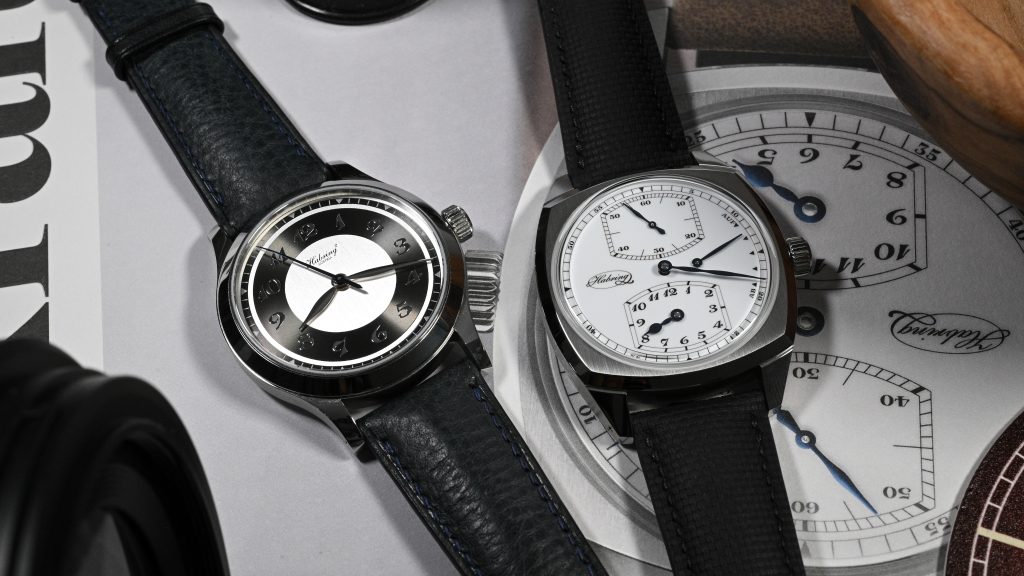
Before we even get into the Erwin, it’s worth restating something that frames everything Habring² does: they make under 300 watches per year. In a world where brands love to cosplay “small” while producing in the thousands, that scale matters. It means every decision: design, movement architecture, sourcing, service strategy, has to be rational and sustainable. Habring² isn’t building watches to feed hype cycles; they’re building a business that can keep making and servicing watches for decades.
What’s in a name? Habring² isn’t a solo story.
It’s also important that the brand isn’t “Richard Habring, and others in the background”. Maria Habring is fundamental to why Habring² exists as a functioning, durable independent. The “squared” in Habring² isn’t a gimmick, and it was meant to reflect that this is a two-person venture in the truest sense – Richard as the engineer/watchmaker, and Maria as the force behind the operations, customer relationships, and the kind of long-term trust that seal an independents’ fate. This is part of why Habring² has always felt so owner-focused to me. It exists as a small atelier where someone actually has to answer emails, deal with servicing, and stand behind the decisions made at the bench.
The Jumping Seconds: making something niche, reliable, and accessible
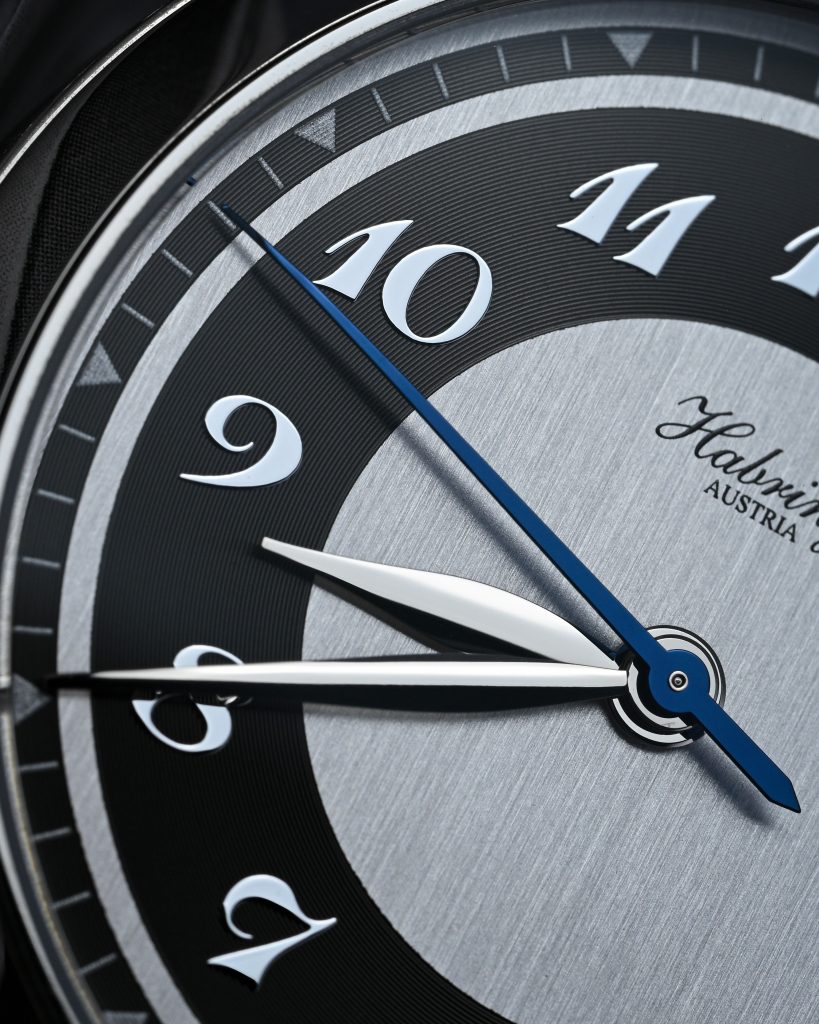
A deadbeat (jumping seconds) complication is one of those ideas that sounds almost trivial until you understand what it takes to do it well. Visually it’s straightforward: the seconds hand ticks once per second instead of sweeping. Mechanically, it’s not straightforward at all if you want it to be precise, efficient, and accessible.
Habring² made it into a repeatable, durable, workshop-friendly complication… something you can actually own without feeling like you’re babysitting it. And that seems like a very Richard Habring thing to do: take something historically niche, engineer it in a pragmatic way, and make it attainable for collectors to use, rather than treating it like museum theater.
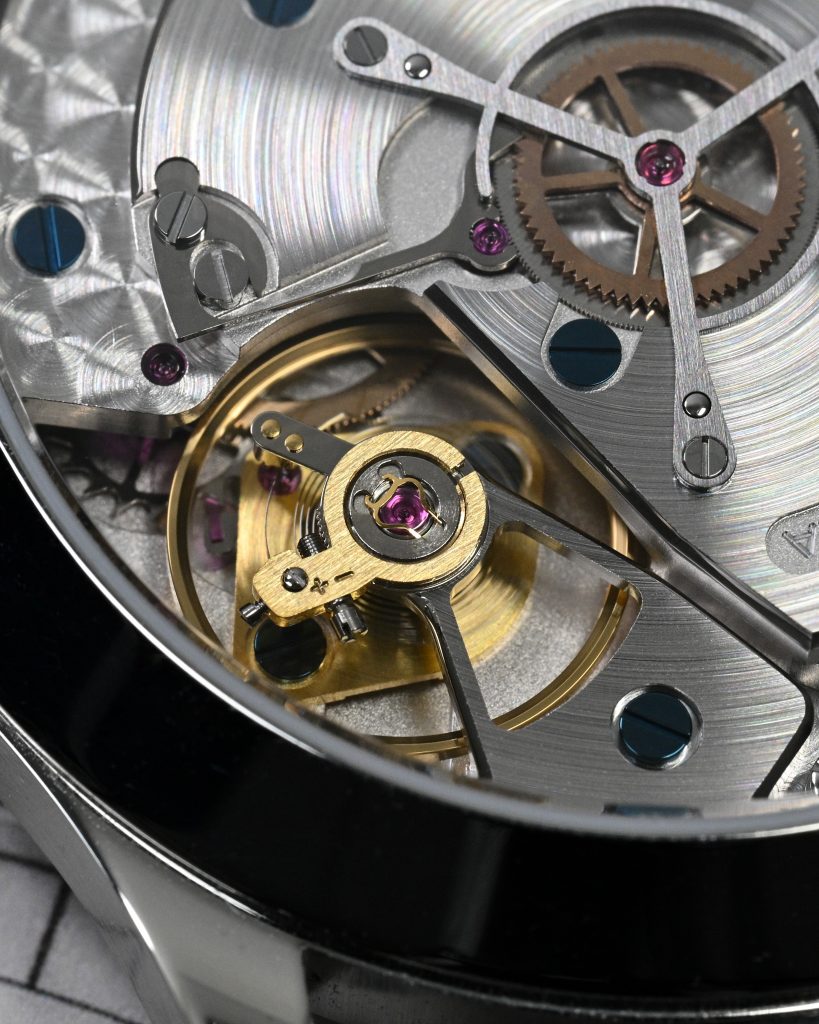
This is where the brand’s broader context matters. Habring²’s independence has always been pragmatic, but it became even more intentional when the industry shifted. At a certain point, the Swatch Group’s refusal to continue supplying parts forced many small brands to either pivot, shrink, or get creative. Habring² responded by doing what a true engineer would do: they reworked the Valjoux 7750 into a strong in-house base caliber, and built an entire supply chain around it, sourcing components from parts manufacturers in their vicinity and creating a network they could actually rely on. This wasn’t done for marketing purity; it was done so the brand could survive and evolve on its own terms. And Habring² has worked with many notable parts manufacturers over the years, such as DK Precision Mechanics, Fricker, Cador, Estima, Carl Haas, KIF, etc.
Patents & Experiments
It’s also worth remembering that Richard Habring’s portfolio isn’t limited to chronographs or jumping seconds. People might freeze him in the IWC Doppelchronograph era, but his technical curiosity has been wider than that. At IWC, he is credited with involvement in a patent for a mechanical pressure transducer system: essentially a mechanical way to translate pressure into a display mechanism, which sits right in that sweet spot of “this is insanely nerdy and also very real engineering”. This led to the GST Deep One, which was the first ever dive watch to feature a depth gauge.
Then you have Habring²’s own inventions like the Crown Operation System (COS), where a chronograph is actuated through crown interaction rather than traditional pushers. A feature that nobody asked for, but one that makes a compelling case for doing away with unnecessary buttons and more points of exposure to the elements.
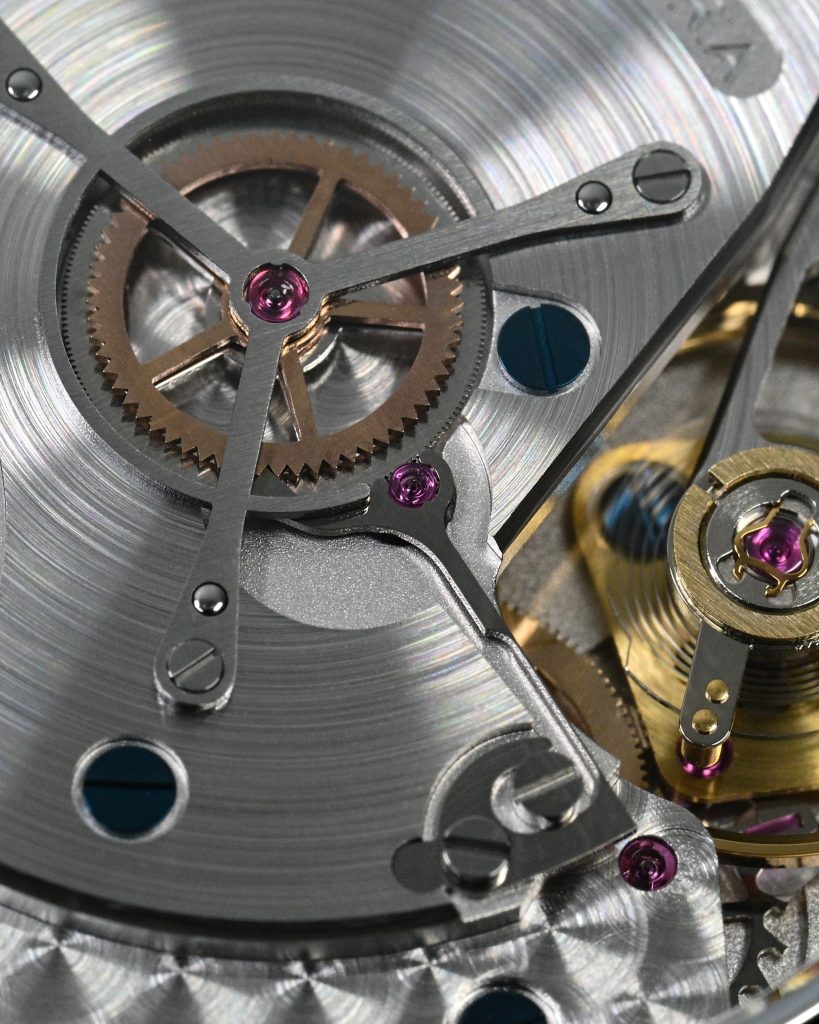
And beyond that, Richard has experimented with higher-end horology territory too: tourbillons and repeaters. including their five-minute repeater, which was praised at the time for being more wearable and pragmatic than the typical minute repeater fantasy. This echoes the Habring theme again: even when they enter traditional “haute horology” categories, they do it with a practical mindset rather than a ceremonial one.
Collaborations
On the movement side, they engineering movements for AHCI watchmaker Stefan Kudoke. That’s not a small endorsement. Kudoke has his own strong identity as a finisher and artist, and the fact that Habring² is part of the technical backbone there tells you how much trust exists between independents. Their special edition KudOkTourbi (Kudoke Octopus Tourbillon) was a pretty amazing piece too. On the collaboration-release side, Habring² has quietly built a list that reads like a “collector credibility” index. They’ve done projects with Massena, SJX, Monochrome, and TimeZone, and special editions tied to retailers like Shellman, among others. These aren’t random logo swaps. They tend to happen because Habring² is unusually flexible at low volumes and unusually serious about execution.
And then there’s the collaboration with Jochen Benzinger. Benzinger is one of those artisans whose name immediately signals “real handwork” to anyone deep into independents. The Habring² collaboration with Benzinger is about merging mechanical clarity with artisanal dial and finishing artistry.
Even if you don’t care about awards, they matter as a kind of external signal… especially for a brand that doesn’t shout. Habring² has earned recognition through the GPHG, including major highlights like winning for the Doppel 2.0 (Sports Watch) and later the Felix in the Petite Aiguille category, along with other nominations over the years.
Erwin Tuxedo
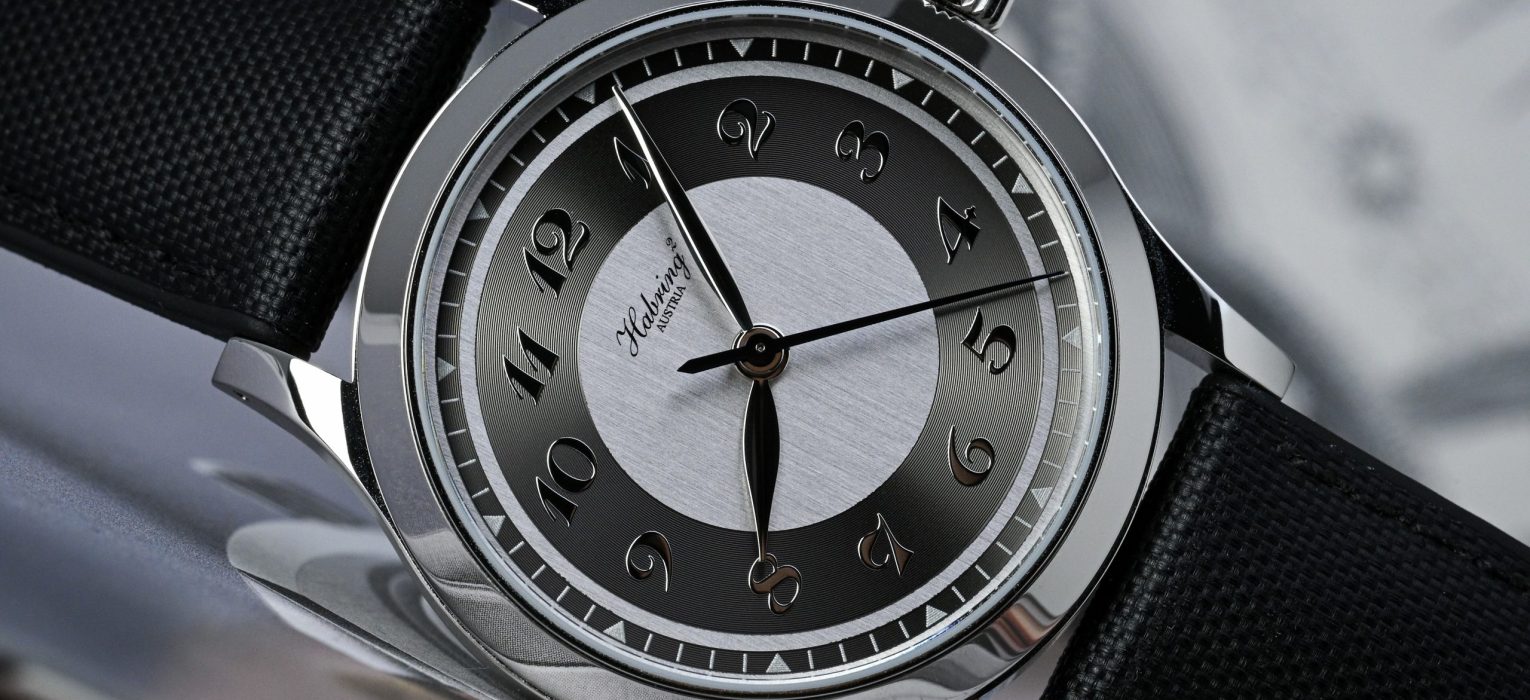
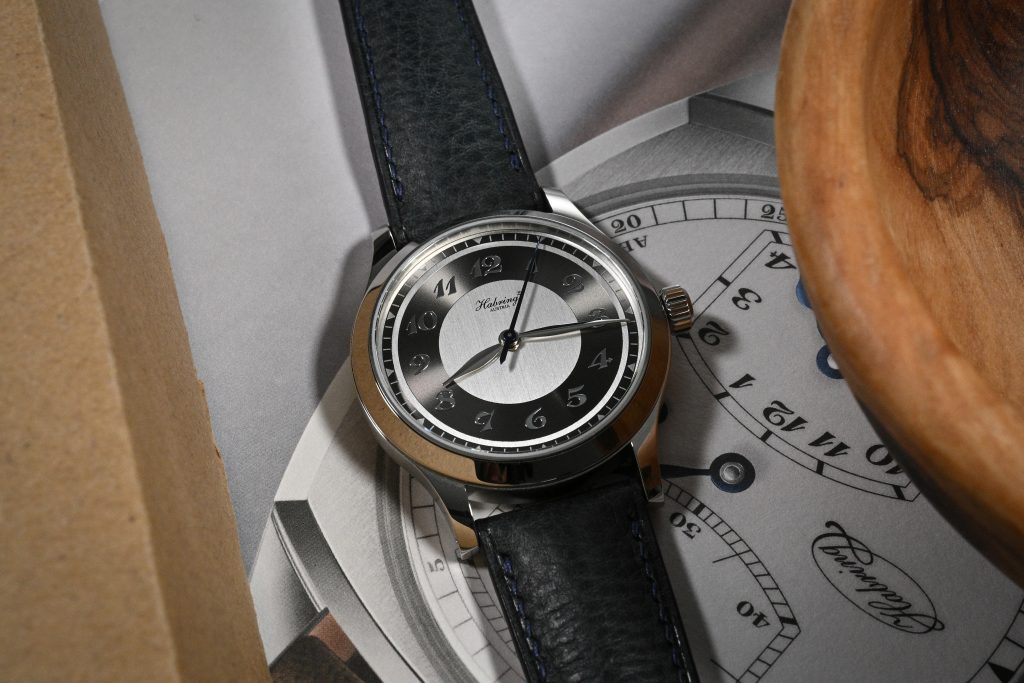
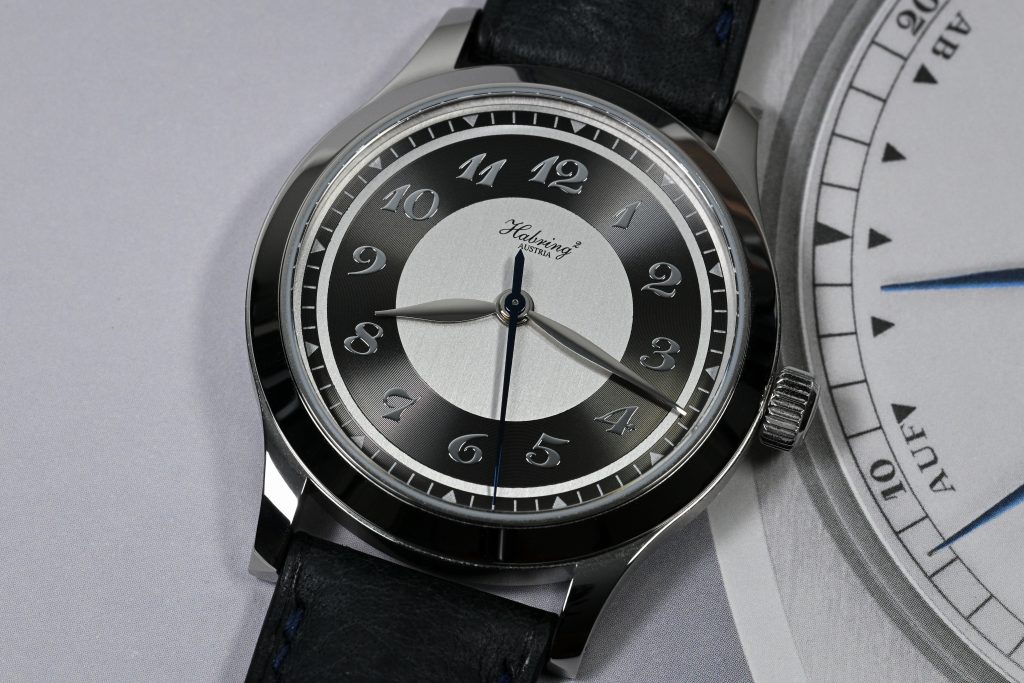
All of that brings me to the Erwin Tuxedo, which I think is one of the best “you get it or you don’t” watches in the Habring² lineup. The Erwin platform is where the jumping seconds identity becomes something you can wear every day, and the Tuxedo variant leans into a dressier, high-contrast elegance. On paper, it’s beautifully restrained but in reality, it’s exactly the kind of “simple-looking” watch that you’d expect from Habring².
The case is compact and modern in a way that feels aligned with current tastes. It comes in at 38mm in diameter, with a 45.80mm lug-to-lug that keeps balanced on the wrist. Thickness is a very wearable 10.25mm, paired with a 5.4mm crown and a versatile 20mm lug width, and the head weight comes in at 61 grams, giving it a bit more presence than the Josef without feeling heavy.
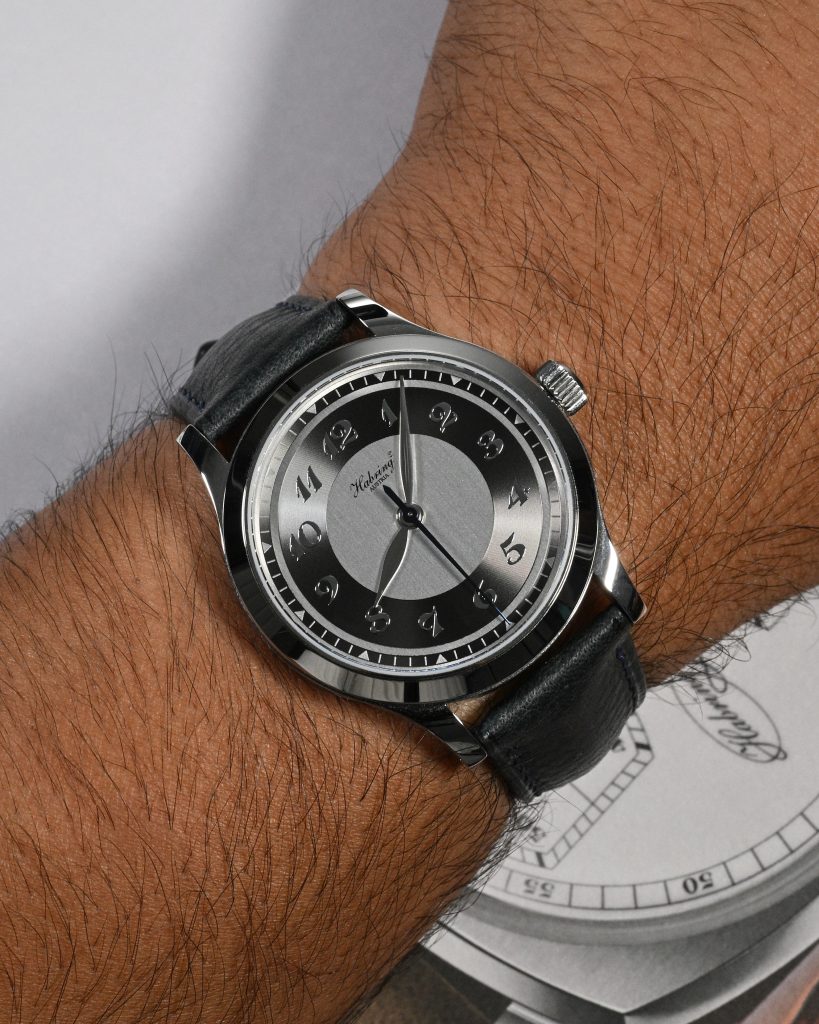
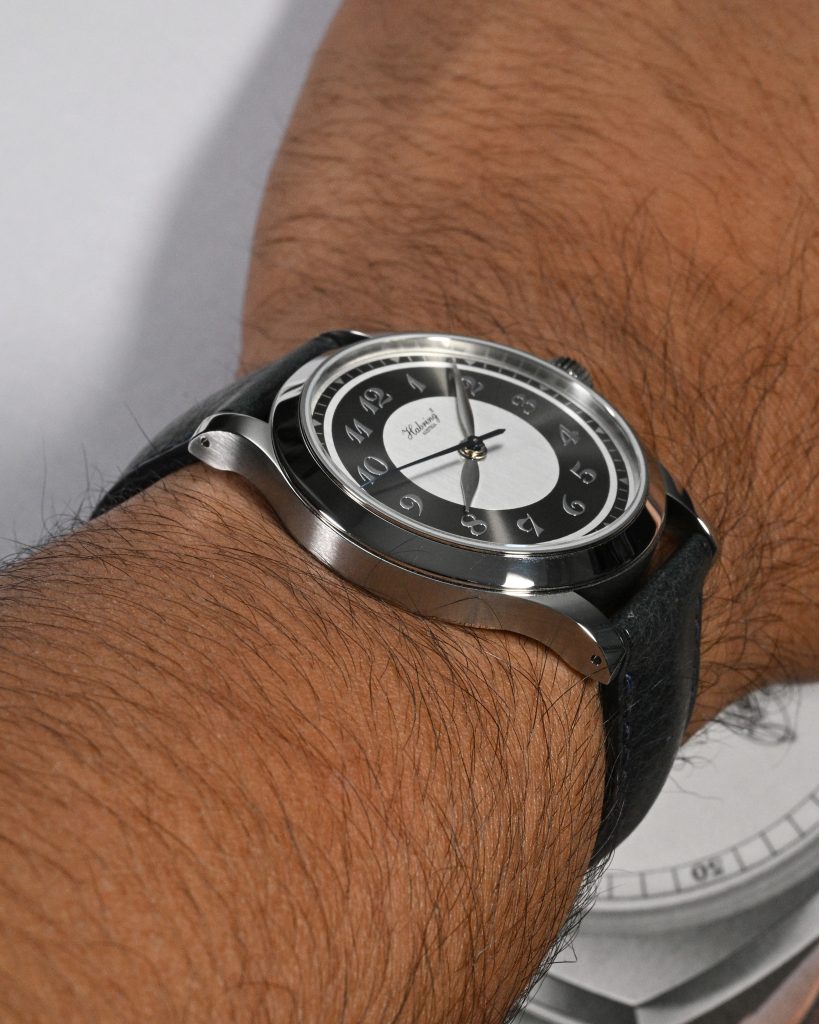
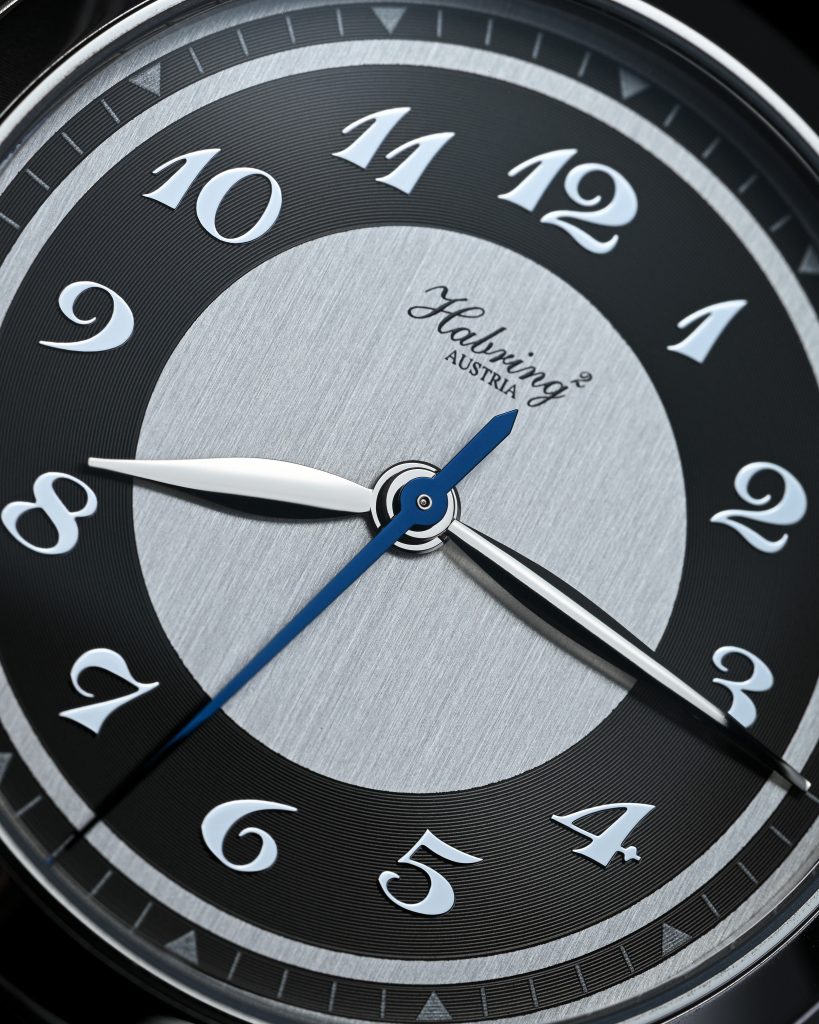
But the real personality is in the dial execution. The Tuxedo’s Breguet-style numerals are gorgeous, and what makes it even more interesting is that the typeface was designed once again by Lee Yuen-Rapati. And if you ask me, that continuity matters. It’s not just “we hired a designer.” It’s Habring² building a coherent visual language across their modern releases: typography as identity, not decoration.
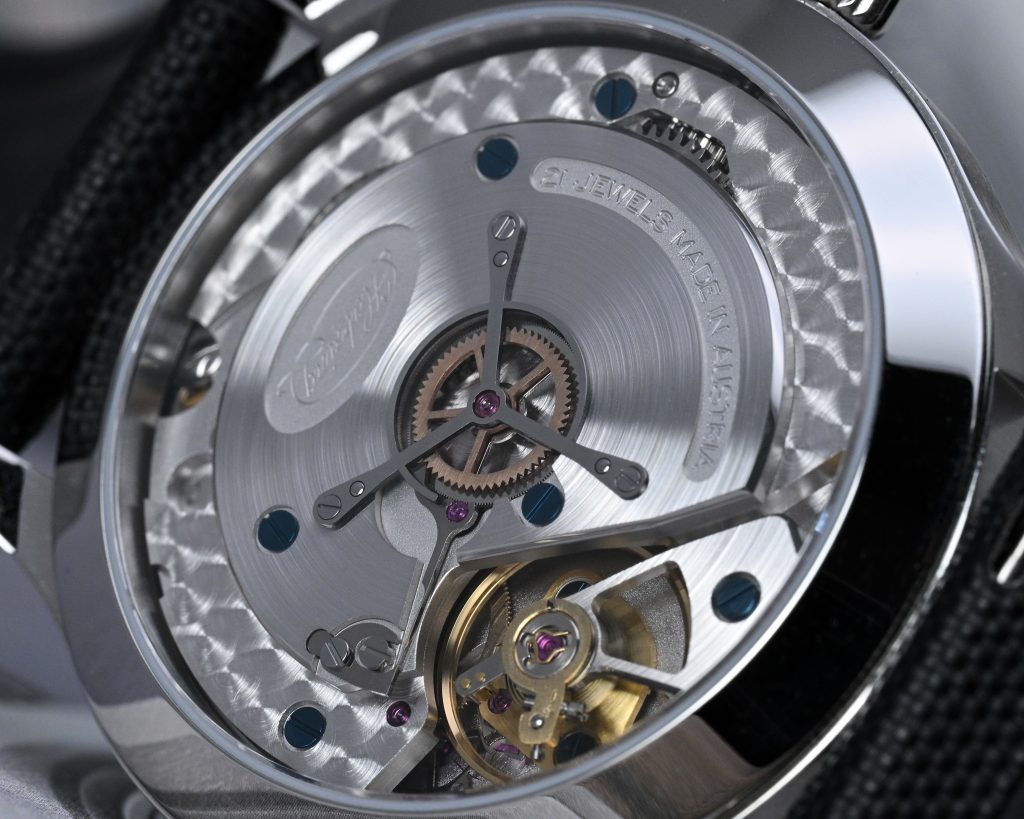
Mechanically, the A11 powered Erwin Tuxedo is also where the jumping seconds makes the most sense as an everyday signature. A deadbeat seconds complication is inherently a little odd, and yet when you live with it, it becomes one of those details that makes the watch feel alive in a very different way compared to a quartz watch.
Wrapping Up
Thank you for bearing with me as I try out this new format of review; one that is less of a review and more of an introduction to a brand that I believe to be worth knowing. To me, they represent a version of independent watchmaking that doesn’t get celebrated enough: the version that’s built on engineering competence, serviceability, and long-term credibility, not theatrics and embellishments. The version where the brand’s scale, under 300 watches a year, isn’t a scarcity flex, but simply the natural output of two people making watches on their own terms. The version where collaboration isn’t a marketing stunt, but proof of trust. And the version where complications like jumping seconds, tourbillons, repeaters, or something as weird as COS are approached like engineering problems worth solving.
Hopefully, the Josef told you who Richard Habring is: a watchmaker-engineer whose legacy lives in practical complication design and owner-first thinking. The Erwin Tuxedo shows what Habring² has become: a mature independent brand with intent behind creating a coherent design language, a real mechanical identity, and a philosophy of engineering-forward practicality that feels increasingly rare in modern watchmaking.