Disclaimer: this video/review was not sponsored by Jiro Katayama, Otsuka Lotec or any other entity.
Video
No. 6: It All Comes Together
The No. 6 is the Otsuka Lotec that resonates with me the most. Even after the release of the No. 8, it remains my favorite design from the brand, and the one that best captures what makes Jiro Katayama’s work so distinctive. There is something especially complete about it. The visual language is clear, the mechanical concept is integrated into the architecture of the watch, and the overall object feels deeply considered from every angle.
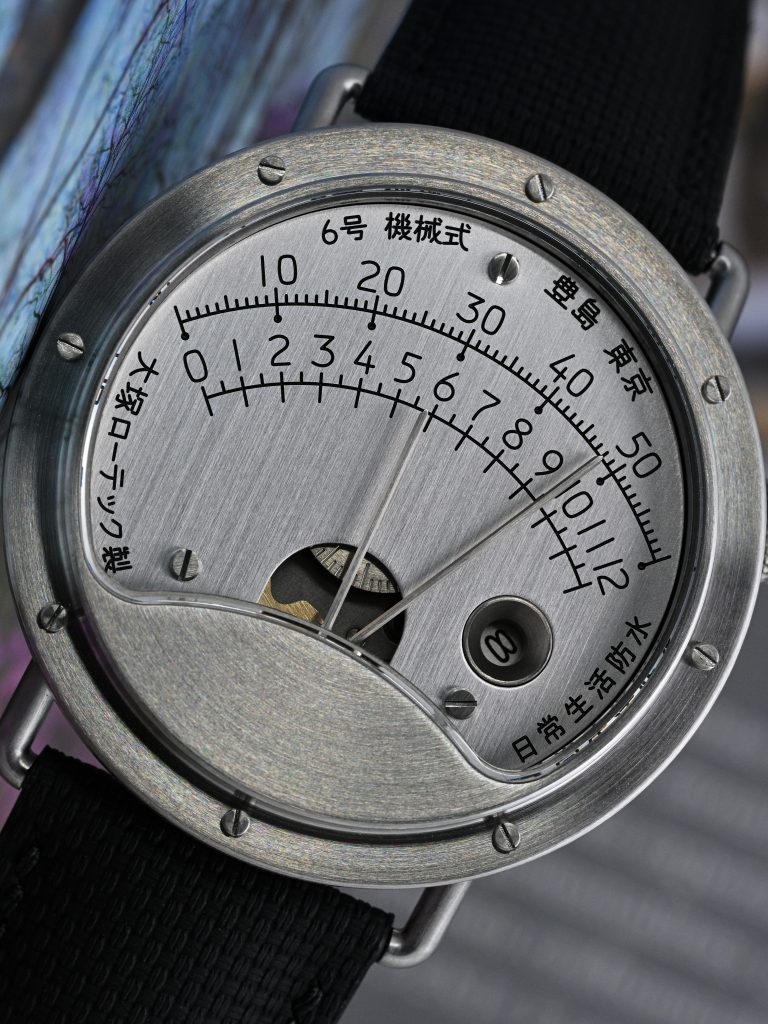
A few years ago, Katayama described his inspiration as a fondness for things with an “analogue, low-tech feel”, which he also cited as the source of the brand name. If you ask me, that line could almost have been written specifically for the No. 6. More than any other Otsuka Lotec. It has the industrial character, the slightly eccentric presentation, and the sense of being designed around a specific mechanical experience rather than around a conventional luxury-watch template.
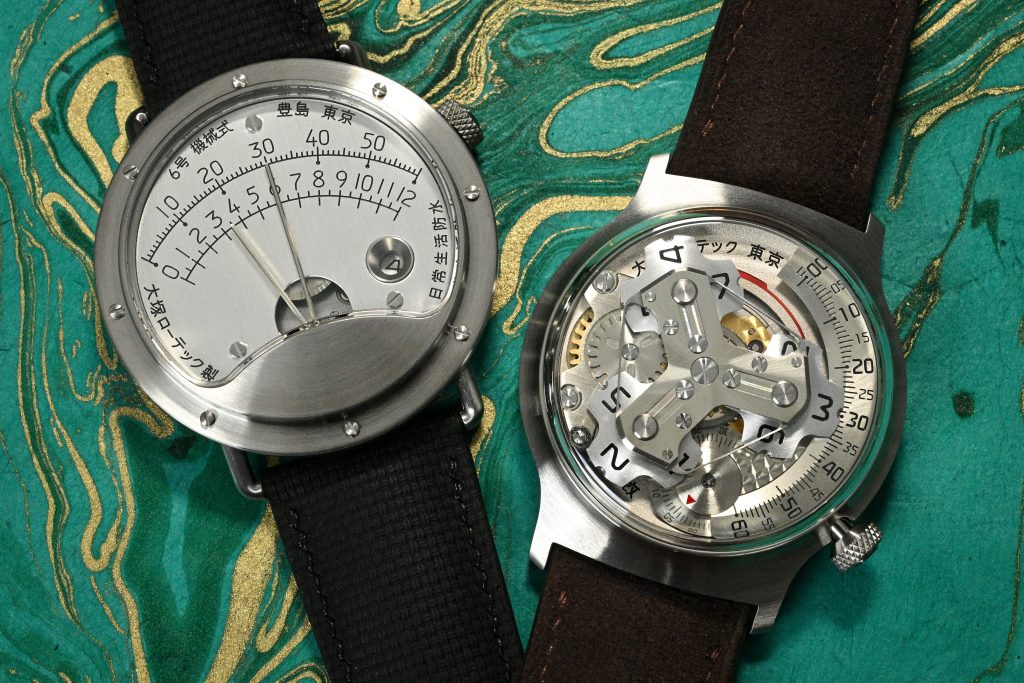
Part of why it stands out so strongly is that it doesn’t rely on sheer complexity to make its point. The No. 5 KAI has a more elaborate display, and the No. 8 pushes things even further, but the No. 6 feels especially distilled. It gets to the heart of the brand with unusual clarity.
A Familiar Idea, But With More Personality
A double retrograde display is not a new concept, and there is no need to pretend otherwise. As with the satellite-hour display of the No. 5 KAI, the interest here comes from execution. Katayama takes a known mechanical format and presents it in a way that feels unmistakably his own.
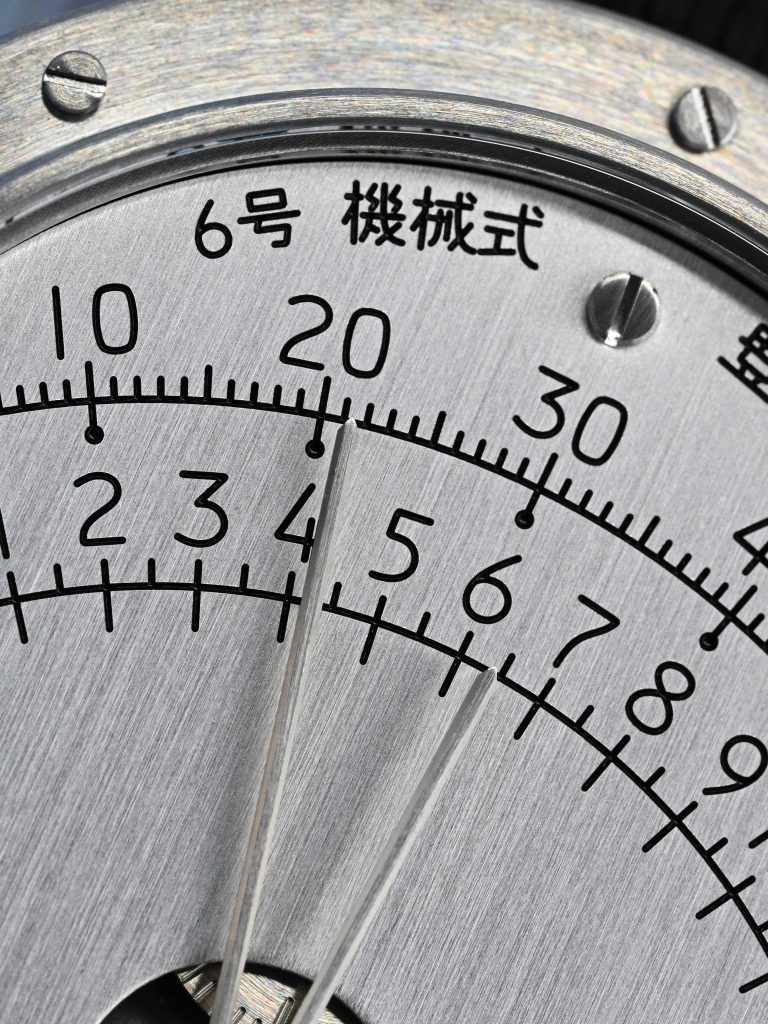
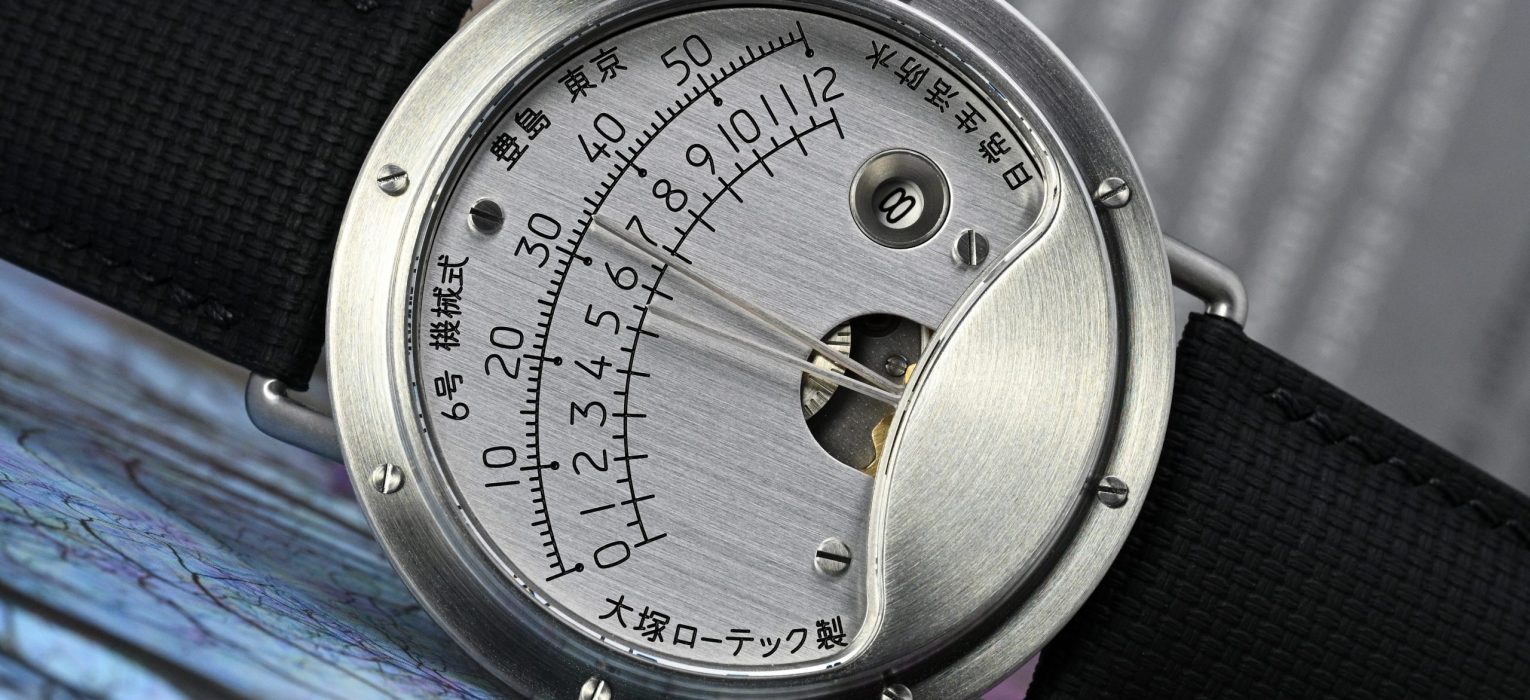
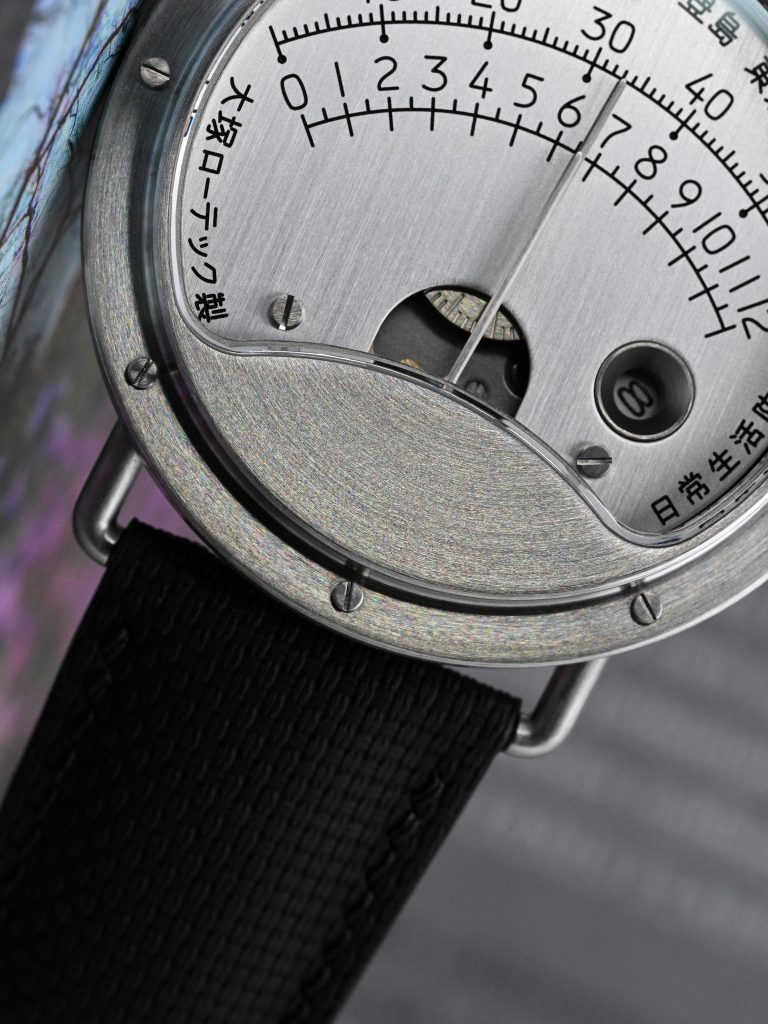
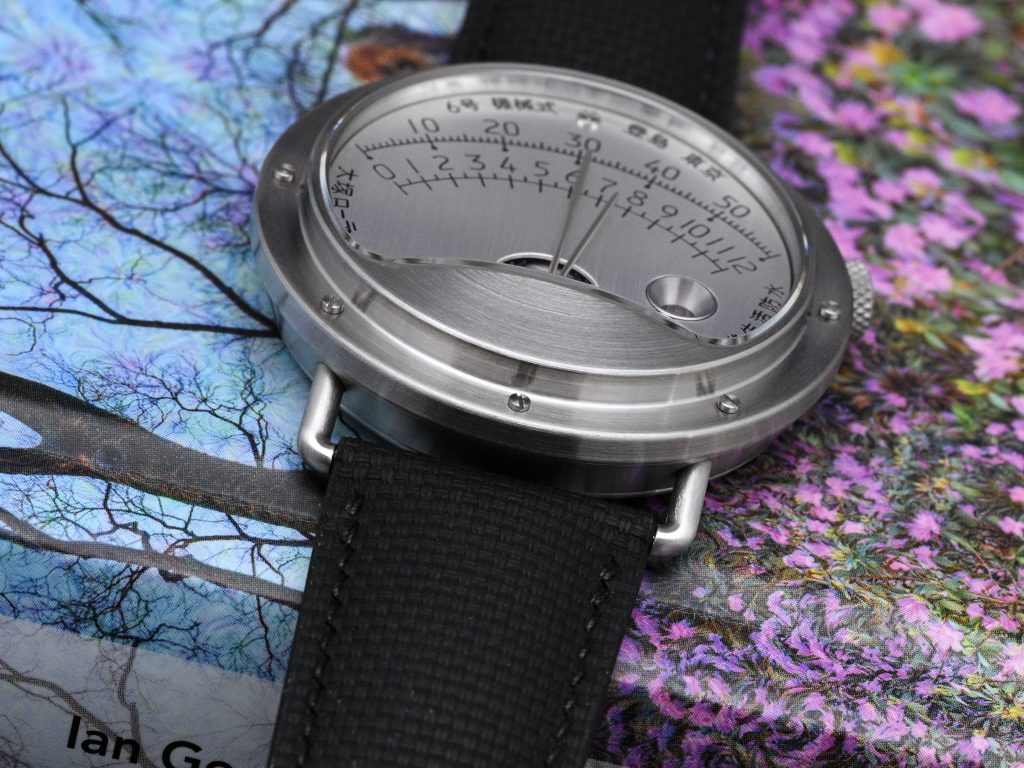
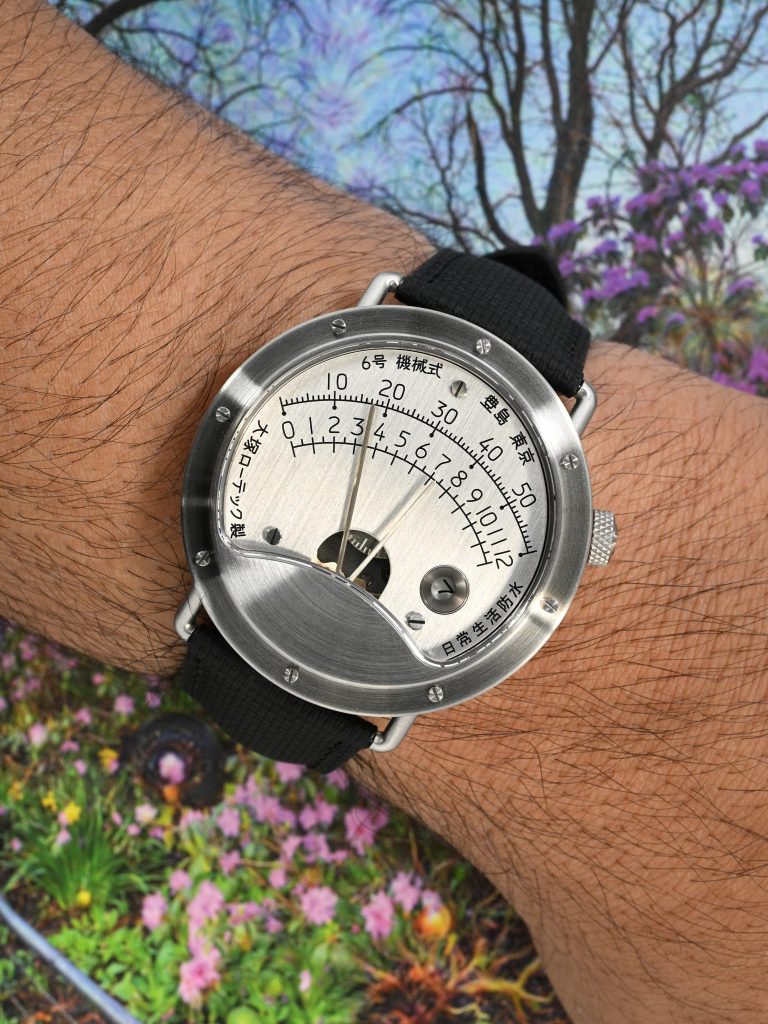
The front of the No. 6 has a slightly steampunk quality, though not in an exaggerated or theatrical sense. It comes through in the exposed screws, the visible structure of the dial, the thin needle-like hands, and the deeply recessed date display. There is a very deliberate instrument-panel feel to the whole thing. The paired hour and minute scales have the look of a panel gauge or measuring device, and the watch as a whole feels closer to an old machine interface than to a traditional dial composition.
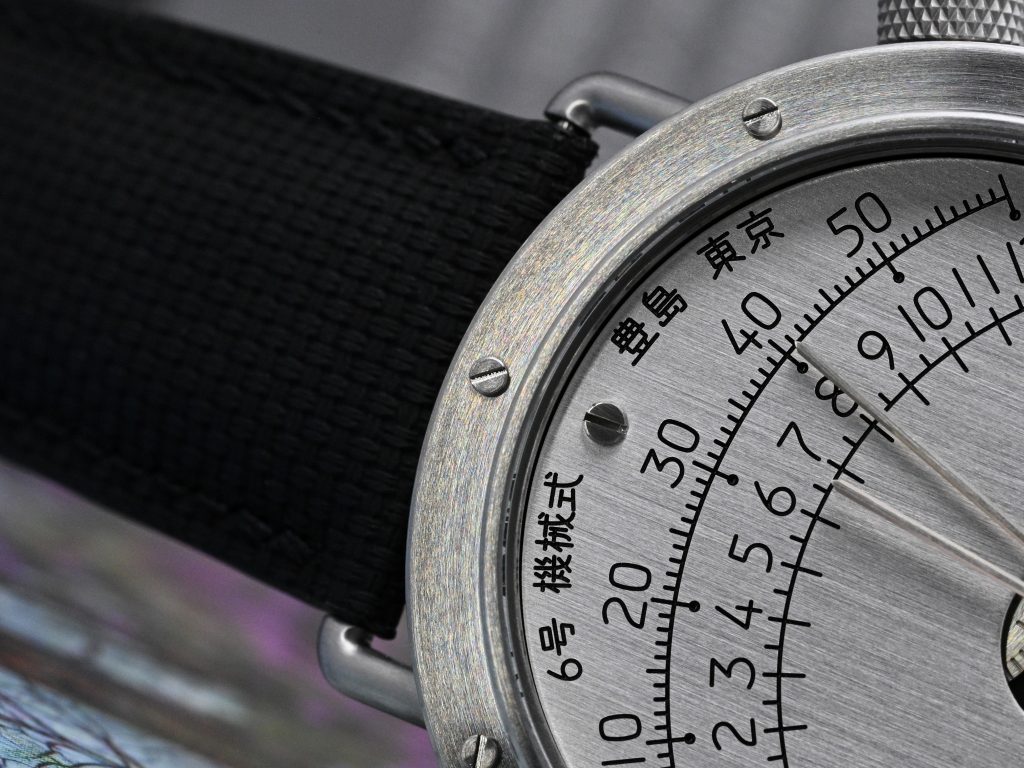
That “atmosphere” is a big part of the appeal. The No. 6 displays time in an unusual way and it also creates a very specific mood while doing it. The design has character without being messy, and originality without feeling forced. That balance is not easy to achieve, and there is no shortage of examples of watches that attempt something like this but fail miserably, which is one reason I think this watch remains so memorable even in a lineup full of more mechanically ambitious pieces.
A Brilliant Case Design
For all the attention paid to the display, I still think the case design deserves more discussion than it usually gets. It is one of the strongest parts of the watch.
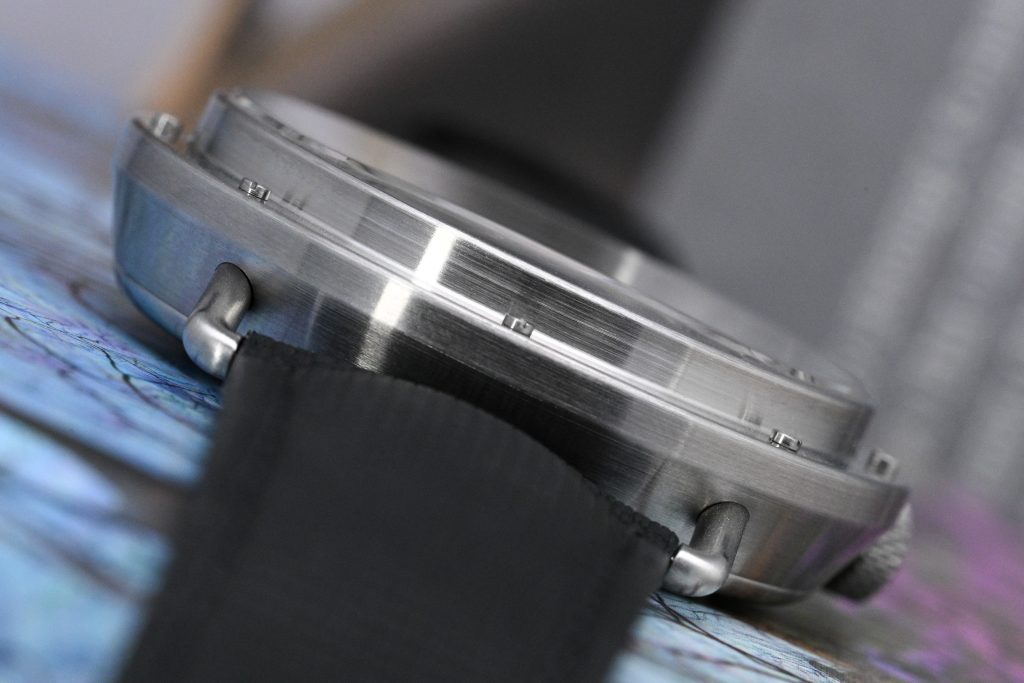
The No. 6 measures 42mm in diameter, 45mm from lug tip to lug tip across its wire lugs, and 12.10mm in overall thickness including the slightly protruding sapphire crystal and exhibition case-back. It also has a 5.5mm push-pull crown, 22mm lug spacing, and 30 meters of water resistance. Those numbers suggest a watch with a fair bit of presence, yet it wears far more compactly than expected. The short lug span helps a lot, and so does the relatively restrained visual opening of the dial.
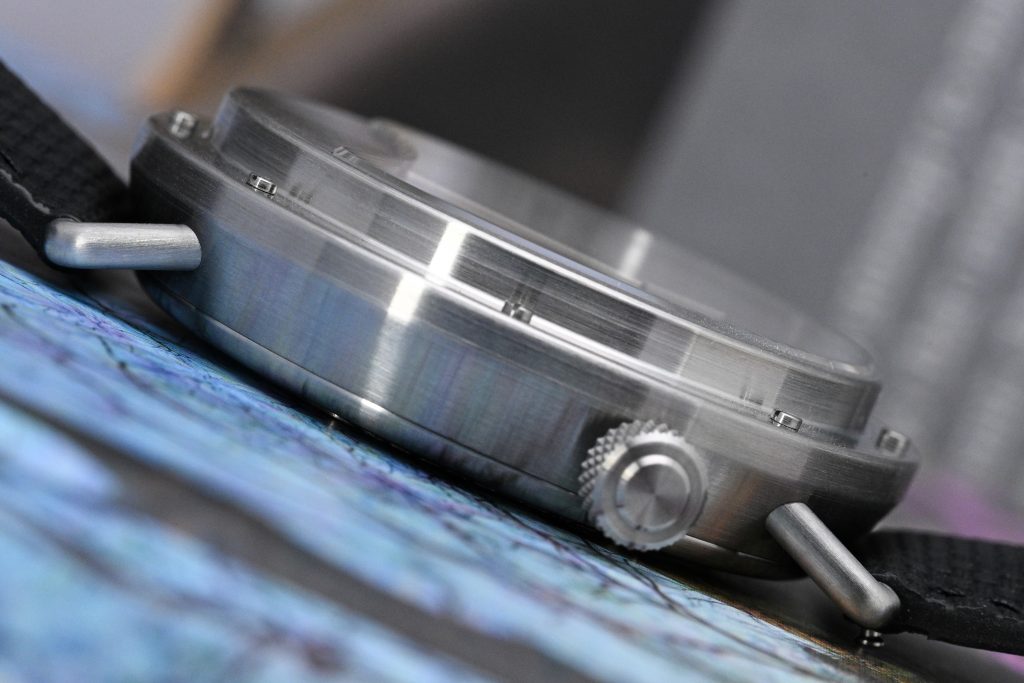
The case has real depth and structure. It rises upward from the case-back into a broad upper section secured by eight visible screws, then steps into a narrower upper ring with a brushed top surface that supports the irregular sapphire crystal. Every level has a purpose, and the whole form carries a strong sense of intention. Compared with the No. 5 KAI, whose case is smoother and more fluid in its lines, the No. 6 has a denser, more mechanical character. I find that more appealing here because it suits the personality of the watch so well.
The wire lugs are another part of the design that works better in person than it might on paper. They angle downward toward the wrist, so the watch sits naturally and avoids the slightly awkward feel that some historic wire-lug cases can have. They also help connect the No. 6 to later models like the No. 7 and No. 7.5, which makes them feel like part of a broader design vocabulary.
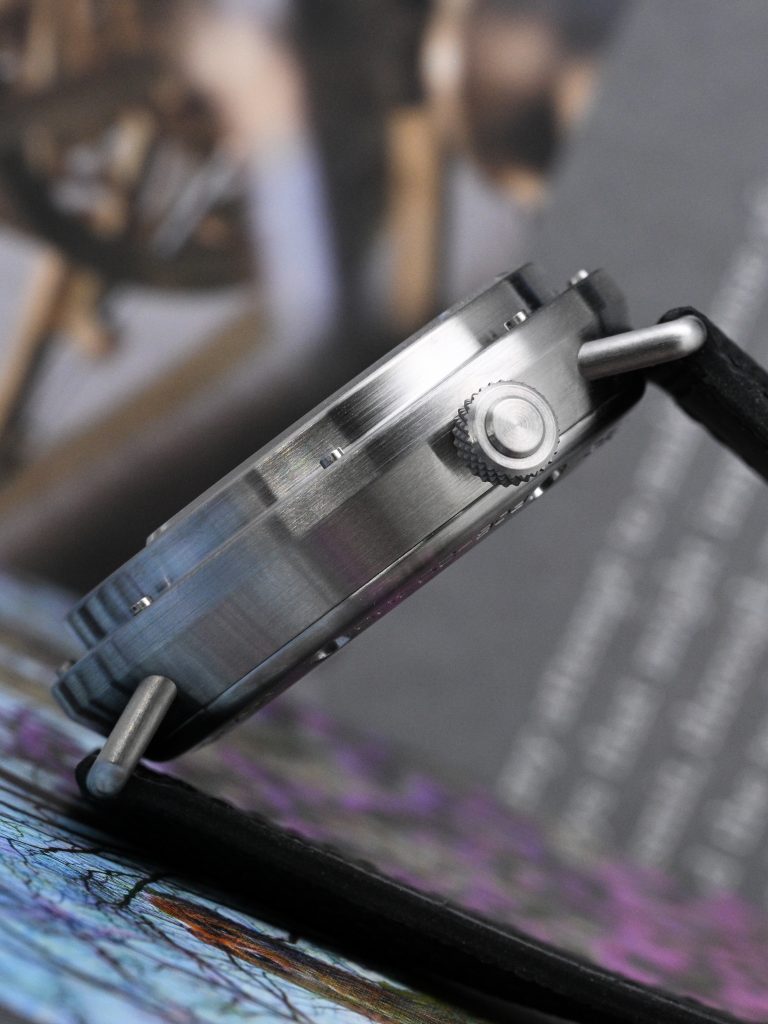
Build quality is excellent. The finishing is industrial in style, much like the No. 5 KAI, and very well judged for the kind of watch this is. Otsuka Lotec, more broadly, feels like a compelling counterpoint to the kind of clinical perfection Japanese watchmaking is often associated with: the ultra-precise Sallaz-finished cases (Zaratsu) and impeccably diamond-cut indices of something like a Grand Seiko. What you get instead is something that feels convincing as a tool-like object, almost as though it belongs in a high-end recording studio or inside the cockpit of an old aircraft. And while Otsuka Lotec is careful in its operating guidance, warning against back-winding, excessive shock, and too much water exposure, the watch feels more robust on the wrist than those cautions might initially lead you to expect.
Designing With What You’ve Got
The dial is one of the clearest examples of Katayama’s ability to turn a practical limitation into a memorable design feature. The display itself is beautiful. The thin, needly hands move across the paired scales with a lightness that suits the overall theme, and the layout quickly becomes intuitive after a little time with the watch. The vertical brushing of the dial surface keeps things simple and appropriately technical, while the exposed screws reinforce the sense that this is a visible mechanism assembled with intent rather than a decorative surface applied over a movement.
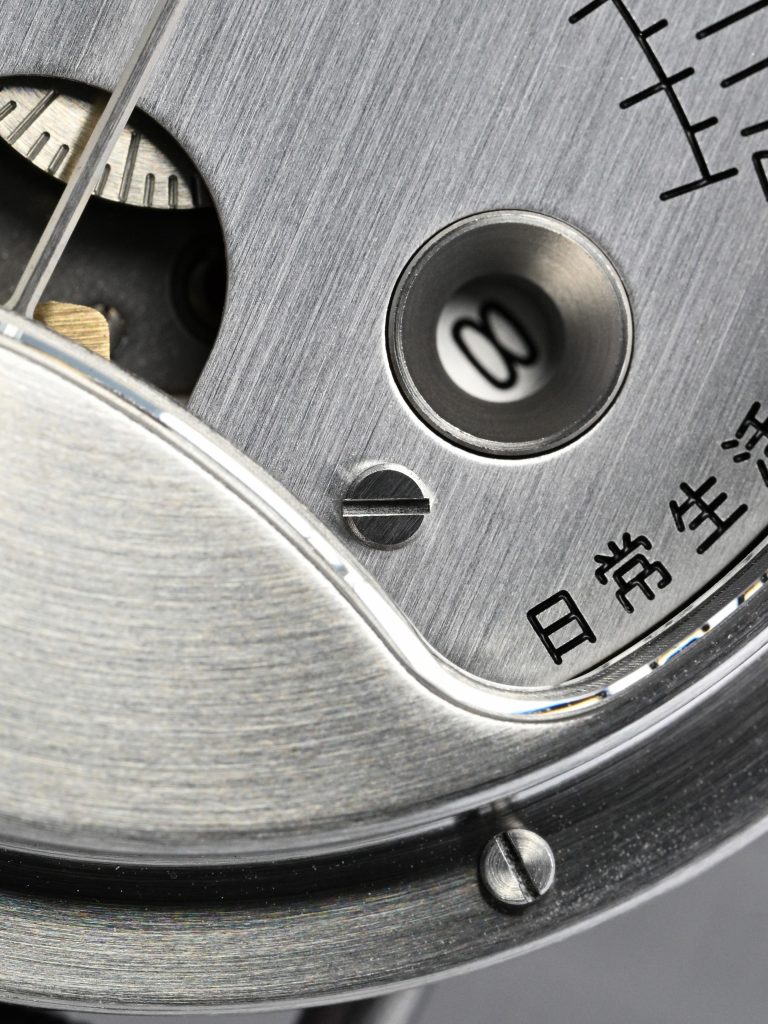
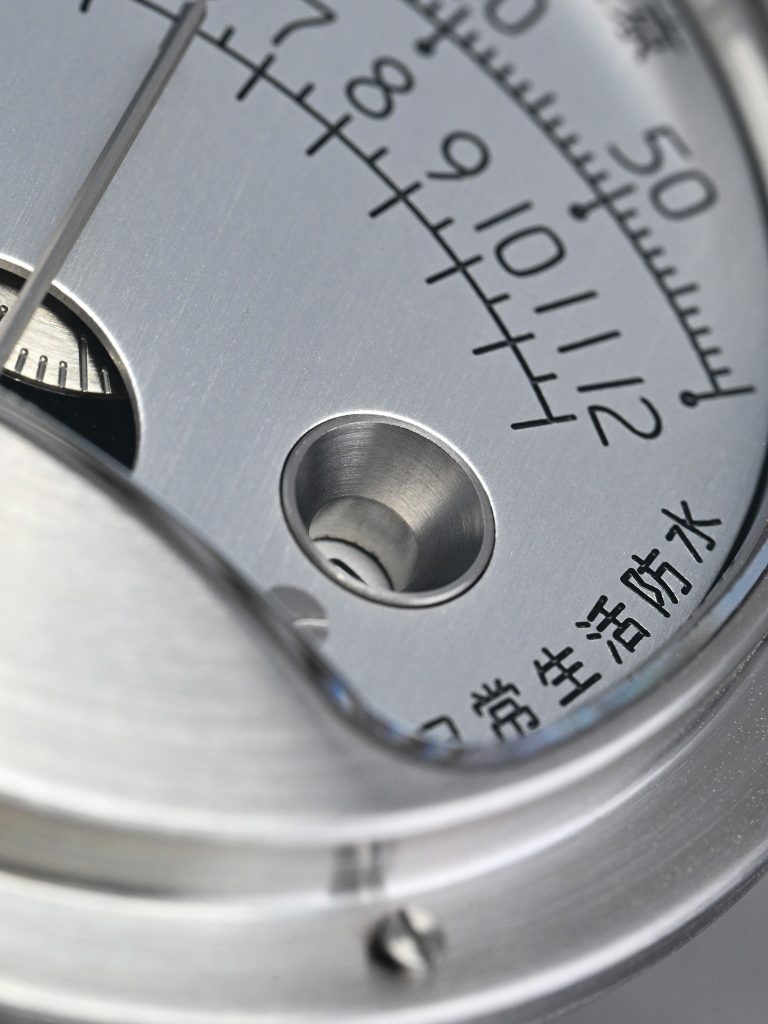
The date window is especially memorable. It sits deep within the dial under a tapering conical frame, and that one detail adds a surprising amount of visual depth to the front of the watch. It also seems to come from a very practical place. The dual-retrograde module adds height over the movement and date wheel, and instead of disguising that fact, Otsuka Lotec leans into it. It feels distinctive, slightly quirky, and perfectly in tune with the brand’s DNA.
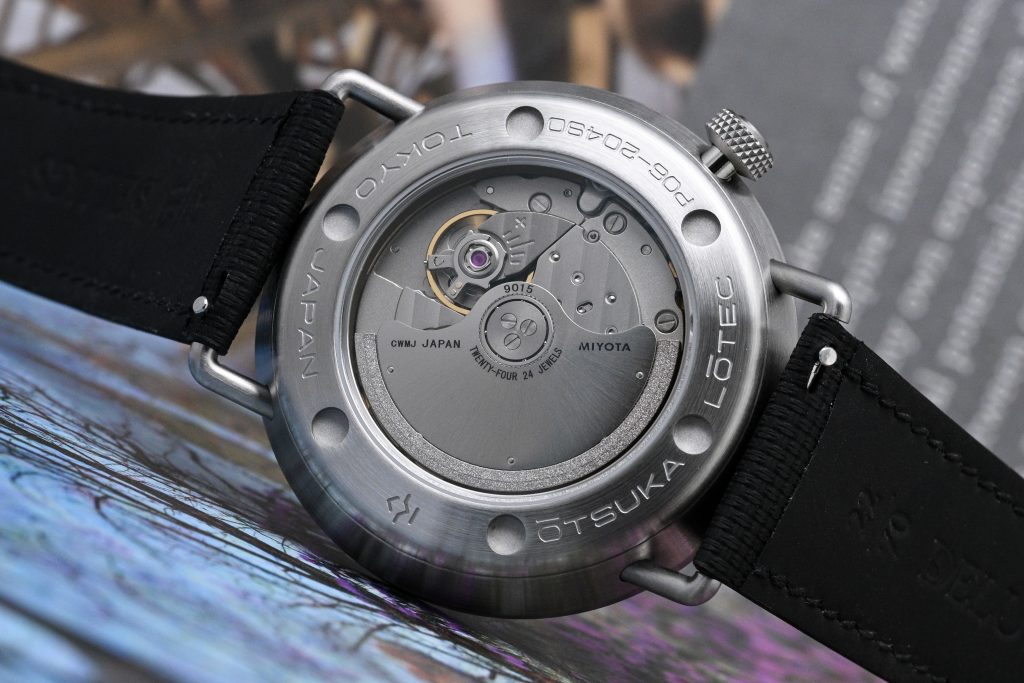
Turn the watch over and the exhibition case-back reveals the Miyota 9 Series movement that powers it. I have no issue with that whatsoever. Miyota’s 9 Series is reliable, robust, sensibly proportioned, and entirely appropriate for a brand that clearly wants to keep things Japanese while focusing its efforts on custom displays, case construction, and the overall integrity of the design. In a watch like this, an elaborately decorated Swiss movement would add little and might even distract from the point.
The No. 6 has also had some very interesting editions over the years. The meteorite version is excellent, and the black PVD-coated unique piece with a tinted black sapphire dial may be my favorite take on the design yet, and I hope to see a production version watch with a similar aesthetic at some point.
No. 6: Still My Favorite
On my 6.75″ wrist, the No. 6 is excellent. The 42mm diameter never feels unwieldy because the watch is pulled inward by its compact lug-to-lug span, the downward angle of the wire lugs, and the modest size of the visible dial opening. The end result is a watch with presence but very little sprawl. It feels focused, compact, and surprisingly easy to wear.
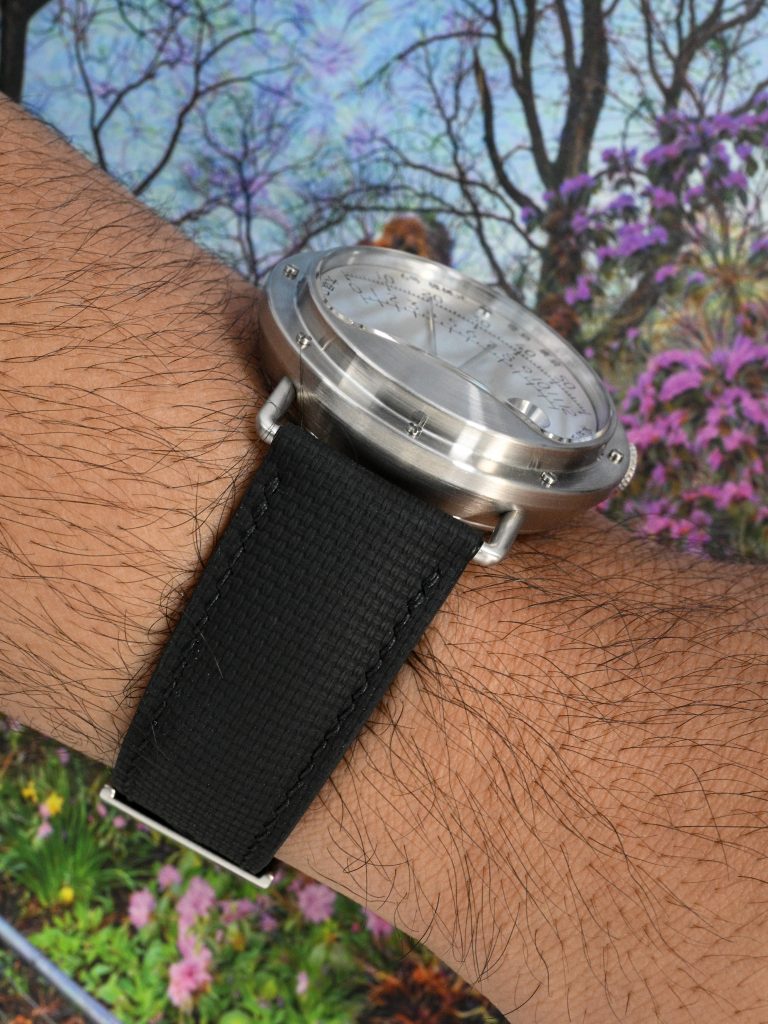
My only real hesitation is the strap. As with the No. 5 KAI, it is well made, but I did not particularly enjoy it and replaced it quickly. That is a minor issue and an easy one to solve, though it remains one of the few parts of the package that feels less convincing than the watch head itself.
As I’ve repeatedly said in this article and the last, what keeps me coming back to the No. 6 is the degree to which everything feels aligned. The case, the display, the visible construction, the date aperture, and the overall mood all support the same idea. There is no sense of one part trying to pull the watch in a different direction. That coherence is rare, and it is one of the main reasons this remains my favorite Otsuka Lotec.
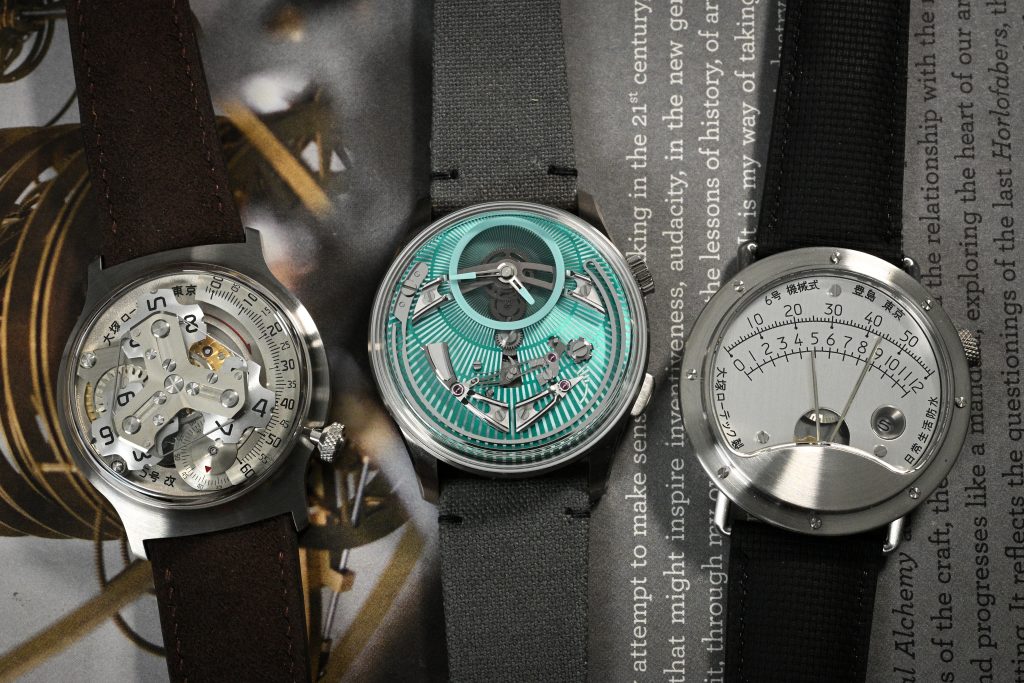
The No. 6 also says a great deal about Jiro Katayama as a designer. His background in machining and case-making continues to show through in the way these watches are conceived. The No. 6 does not feel like a movement with an unusual dial placed on top of it. It feels like a complete object shaped by one person’s taste, one person’s design instincts, and one person’s fascination with analogue mechanical interfaces. For me, it remains the watch that captures the essence of Otsuka Lotec best.