Disclaimer: this video/review was not sponsored by Rolex or any other entity.
Video
Daytona: Let’s Be Honest
The Rolex Daytona is a difficult watch to discuss honestly because it stopped being just a watch a long time ago. Today it carries the distasteful baggage of waitlists, premiums, celebrity sightings, investment language, and a kind of social visibility that can make even a committed watch enthusiast uncomfortable. But beneath all of that noise is still a very good chronograph, and probably one of the most complete sports chronographs being made today.
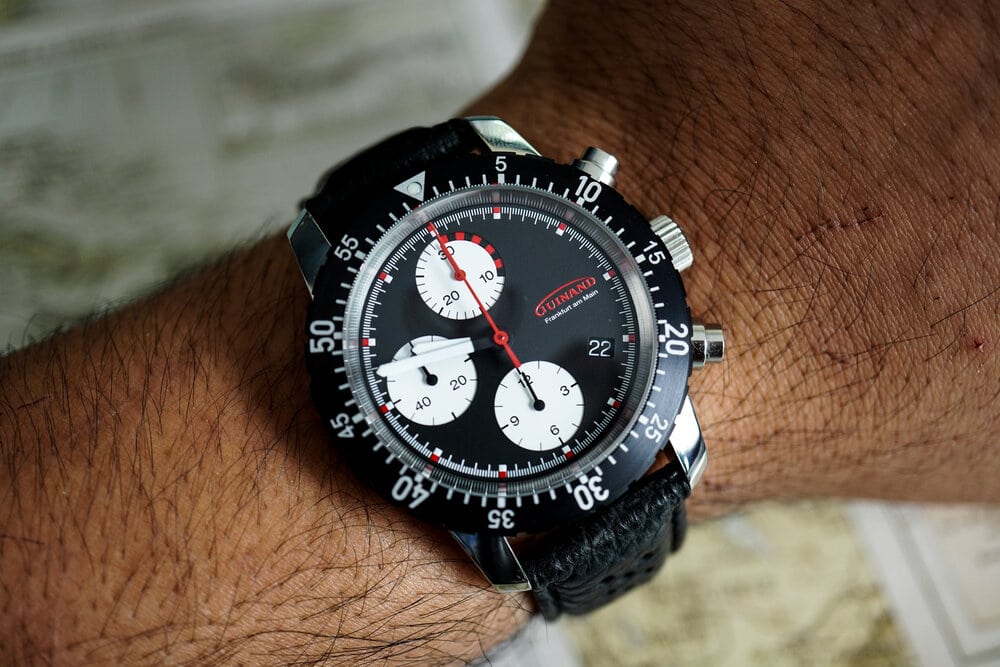
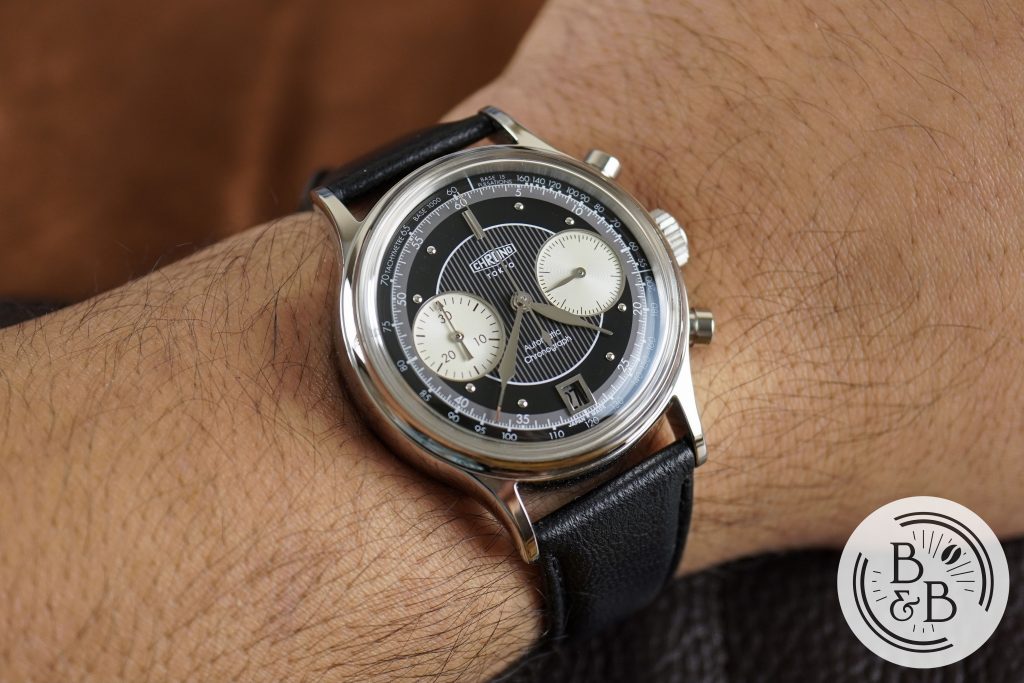

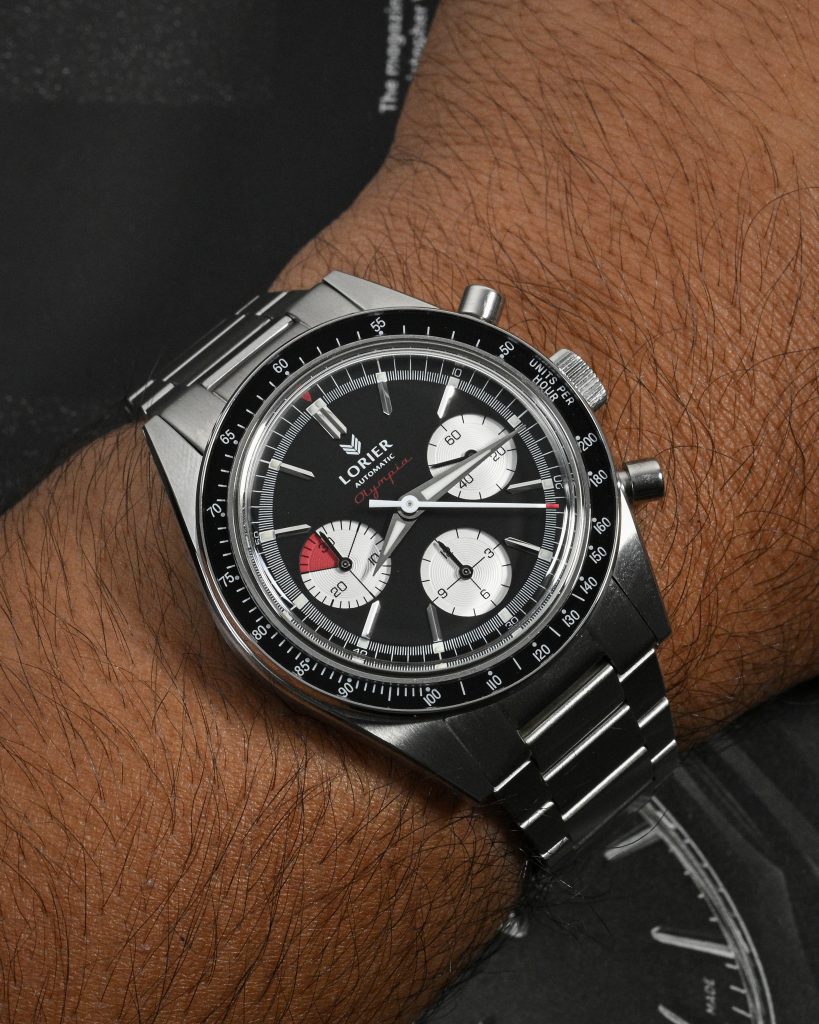
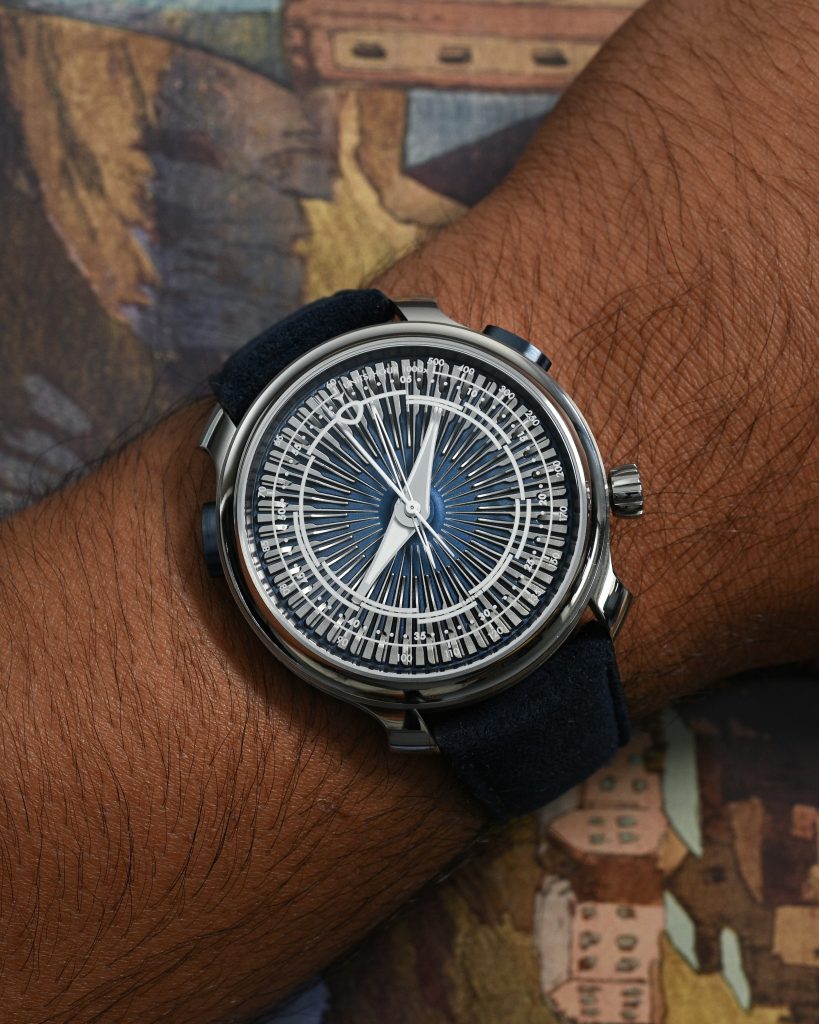
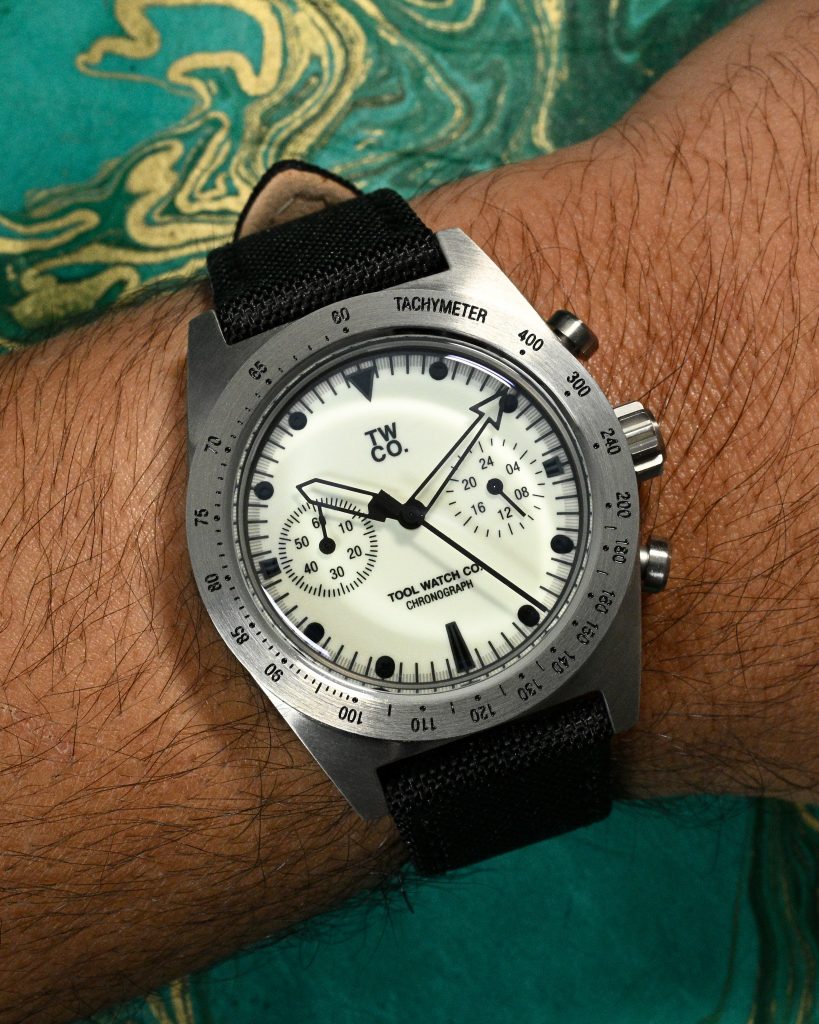
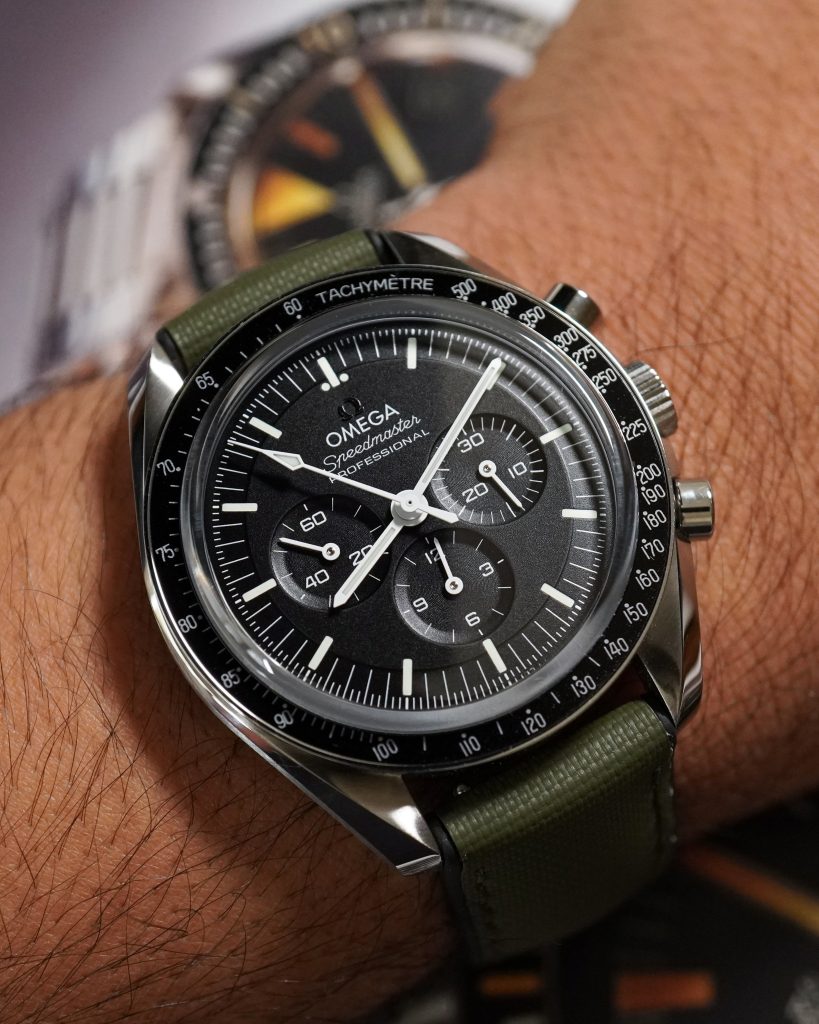
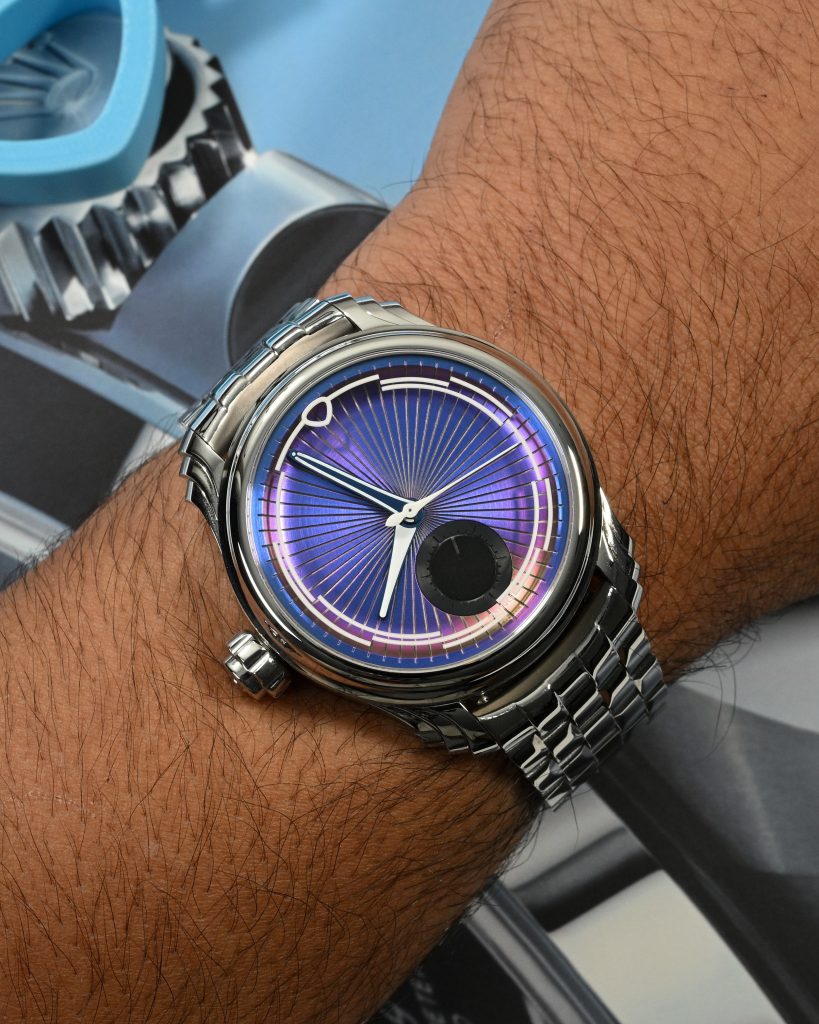
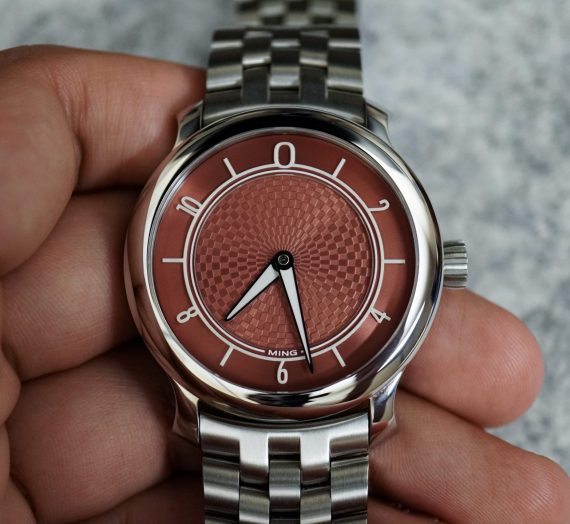
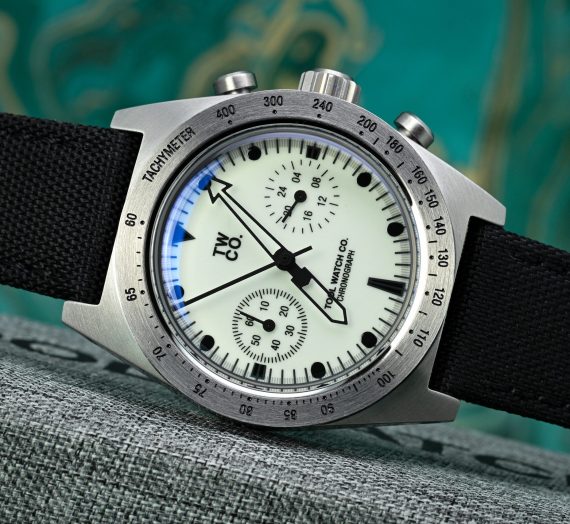
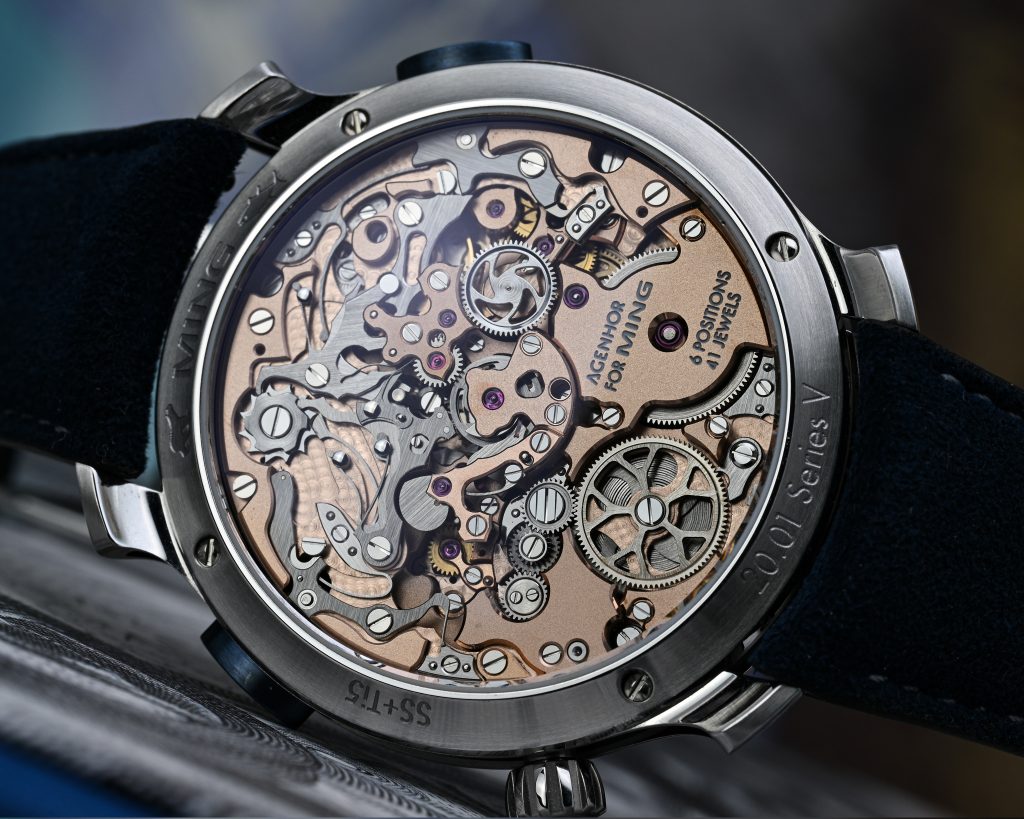
I haven’t owned or reviewed a huge number of chronographs, but I’ve spent enough time with a variety of them to know that the Daytona is not special by default. The Chrono Tokyo Chronograph showed me how beautiful a busy vintage dial can be when every element is carefully arranged. The Lorier Olympia SII reminded me how compelling a well-priced mechanical chronograph can be. The MING 57.04 Iris showed how far case design and dial experimentation can carry a watch, even when the movement is unremarkable. The Tool Watch Co. Lumecore proved that legibility and purpose can matter more than mechanical romance when on a budget. The MING 20.01 Series are a brilliant example of what modern chronograph imagination looks like when an Agenhor Agengraphe is involved. The Speedmaster remains the obvious historical benchmark, the Guinand HS100 is a proper German instrument with a Valjoux 7750 and 200m of water resistance, and the 200m water resistant Sinn 103 St Ty Hd surprised me with its perfect combination of vintage charm and robust modern build quality.
So no, the Daytona is not the only good chronograph. It is not even the most interesting chronograph to me. Watches like the Patek Philippe 5370R, A. Lange & Söhne Datograph, Petermann Bédat split-seconds chronograph, and MING 20.01 all deliver very different kinds of chronograph pleasure. But the Daytona does something few watches do as well: it compresses heritage, capability, movement quality, accuracy, timing functionality, and daily wear-ability into a remarkably coherent object.
A Brief History
A brief history helps explain why. The Daytona began in the early 1960s as Rolex’s racing chronograph, evolving from pre-Daytona references like the 6238 into the 6239 Cosmograph with its external tachymeter bezel. The hand-wound era gave us pump pushers, screw-down pushers, metal bezels, black acrylic bezels, exotic Paul Newman dials, and many of the details collectors now obsess over. The funny part is that these watches were not always desirable. Their mythology grew slowly, helped by racing, Paul Newman, Italian collectors, and the strange way unsuccessful watches sometimes become the most desirable ones.
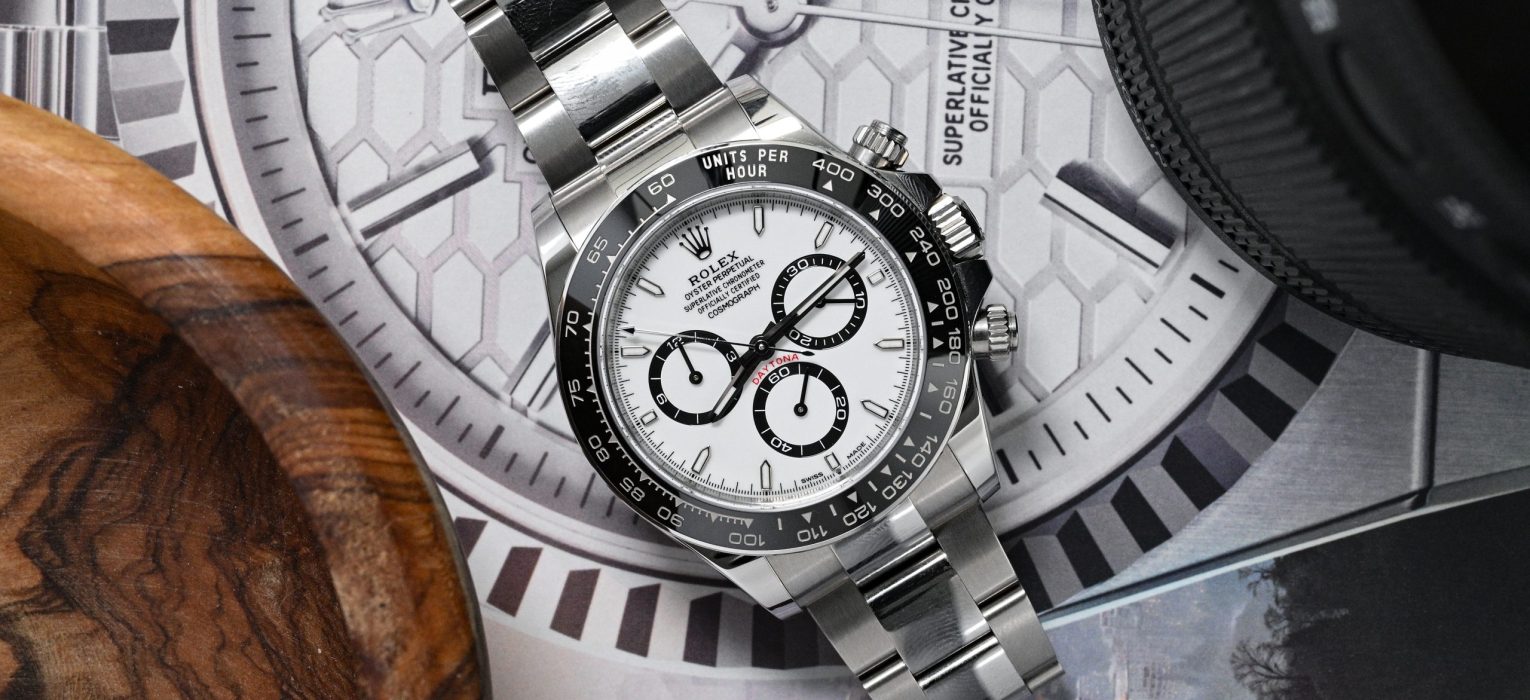
The Zenith-powered 16520 brought the Daytona into the automatic era in 1988, while the 116520 gave Rolex its own in-house chronograph movement, the caliber 4130. The 116500LN then added the black ceramic bezel to the steel Daytona and then it turned into pure unobtanium. The current 126500LN is the next refinement: not a reinvention, but a tightening of proportions, dial graphics, case shape, bezel construction, and movement architecture.
Proportions Perfected
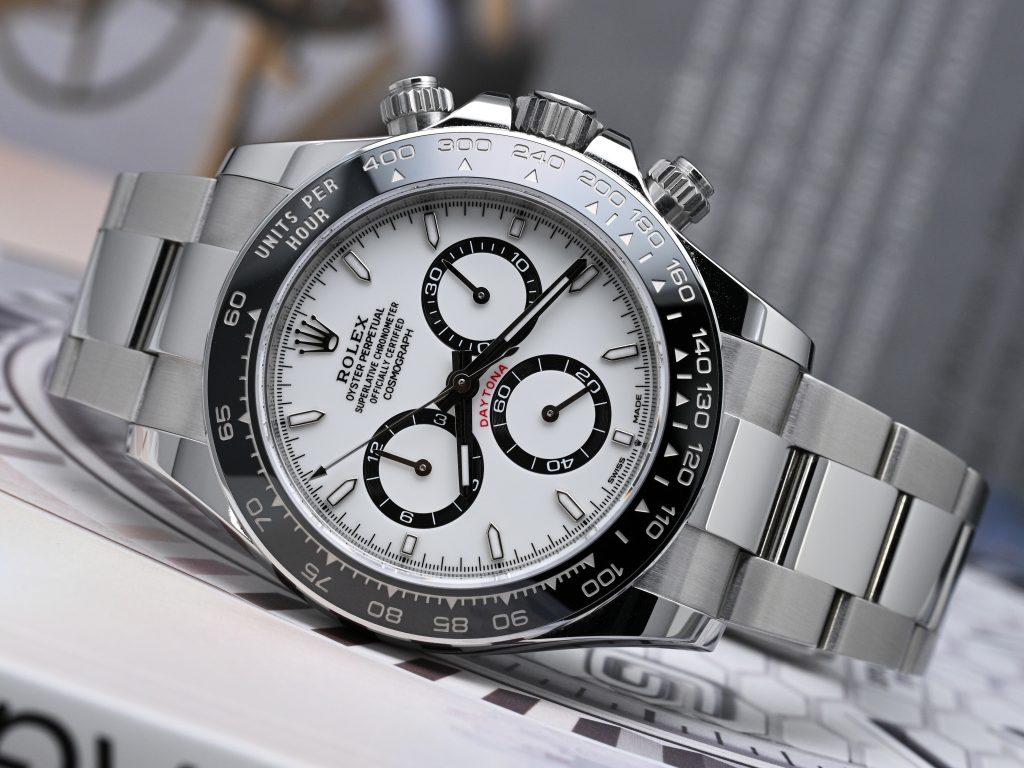
I measured this 126500LN at 40mm in diameter, 38.25mm across the bezel, 47mm across its lug tips, and 11.95mm in overall thickness. The screw-down crown measures 6.35mm, the screw-down pushers are 4.9mm wide, and the lug width is 20mm. Sized for my 6.75″ wrist, the watch weighs 139g on the bracelet. On paper, that is a fairly dense modern sports watch. On wrist, it feels about as close as you can get to a perfectly sized sports chronograph.
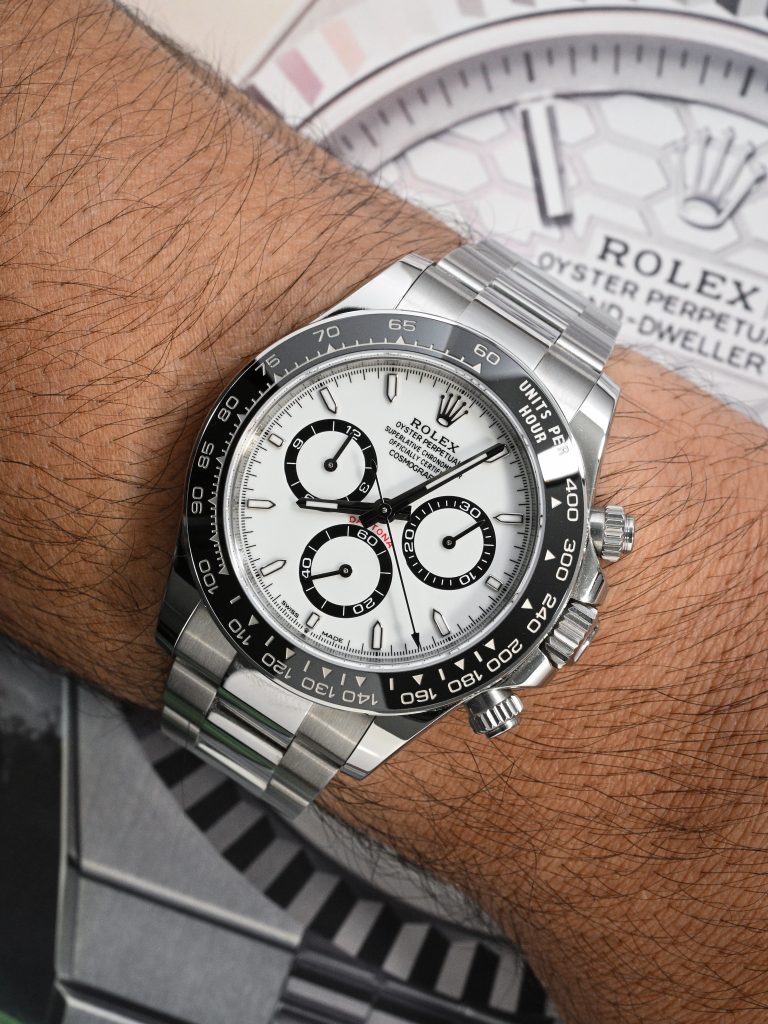
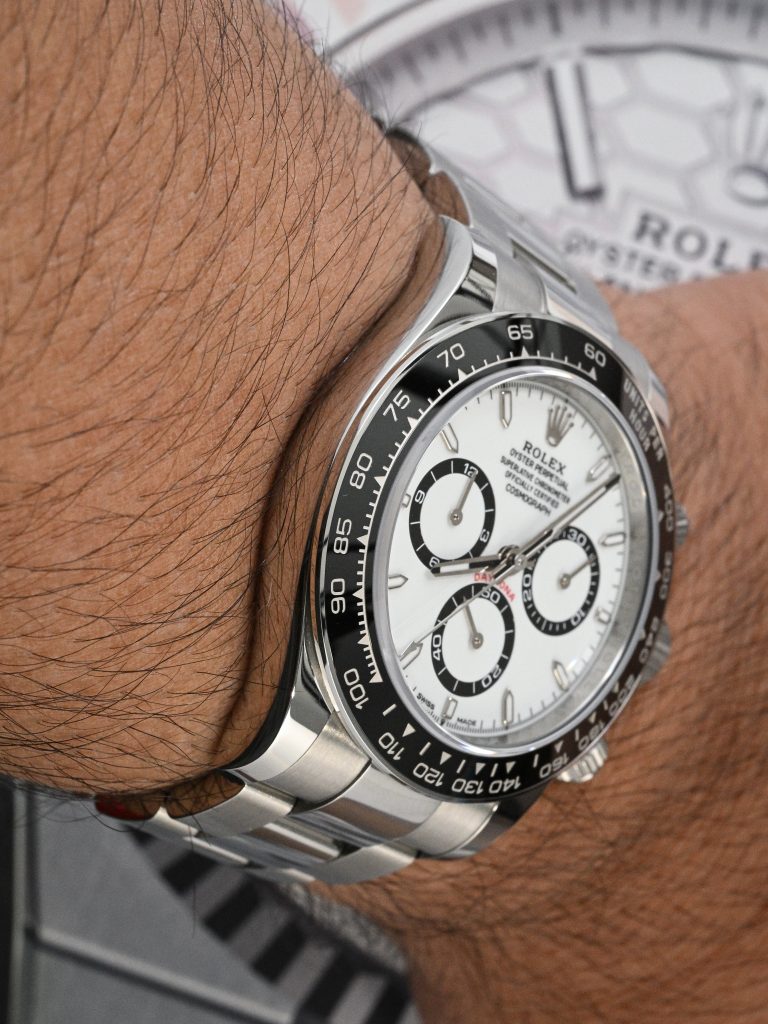
The biggest reason I find the Daytona compelling is wear-ability. Chronographs are often thick, or somehow physically awkward, and the Daytona avoids most of that. The 126500LN still has the density and solidity of a modern Rolex, but the case is balanced, compact, and ergonomic. The 38.25mm bezel diameter also helps the watch read a little more compact than its nominal 40mm case size suggests. And unlike a lot of Rolex sports watches, these proportions work great on a woman’s wrist too.
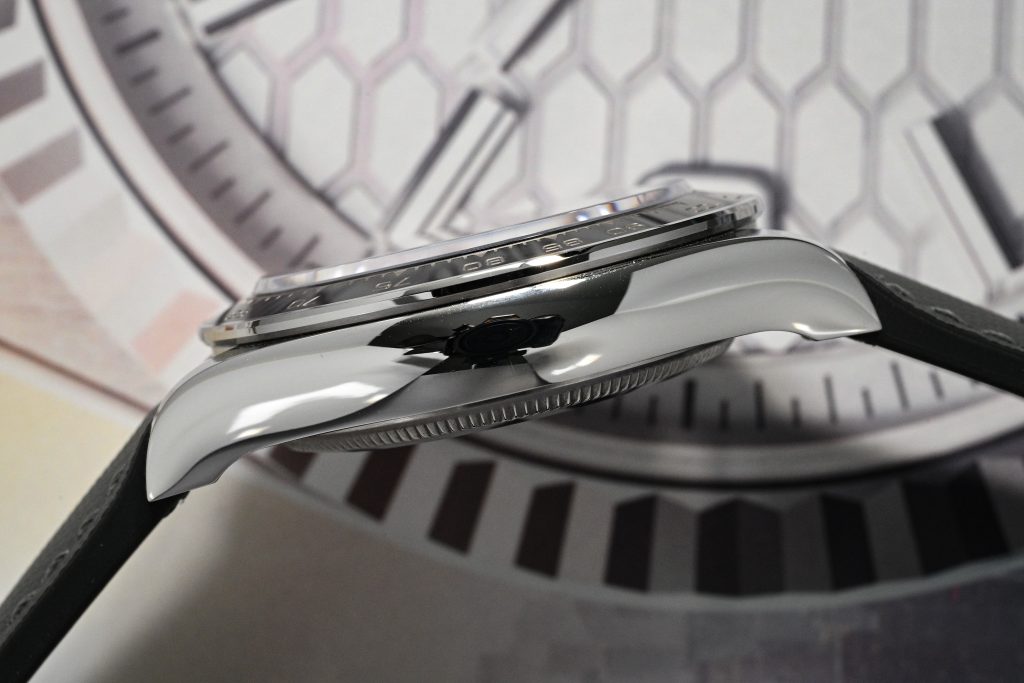
A big part of that comfort comes from the case shape itself. The Daytona has rounded case sides that are closer to an Oyster Perpetual than the flatter, more slab-sided profile of a Submariner. There are no sharp edges or awkward corners anywhere against the wrist, and the whole case has a fluidity that makes it feel more organic than many modern sports watches. This is one of those things Rolex does unusually well: the watch still feels dense and solid, but every surface that interacts with the wrist feels carefully softened and refined.
“New Bezel, Who Dis?”
The bezel was the change I struggled with most when the 126500LN was released. I loved the full ceramic bezel construction of the previous generation; it was one of my favorite aspects of the 116500LN, and it gave that watch a sharp, more modern identity. The new steel bezel with a ceramic insert initially felt less unique to me, and maybe even a bit Speedmaster-ish. But over time, I’ve come to accept the decision, mostly because it sort-of makes sense from a utilitarian perspective. Ceramic is excellent for scratch resistance, but it does not handle hard impacts well. Embedding the ceramic insert within a steel bezel gives you some of the impact resistance of a metal bezel while preserving the scratch resistance and crisp printed look of ceramic.
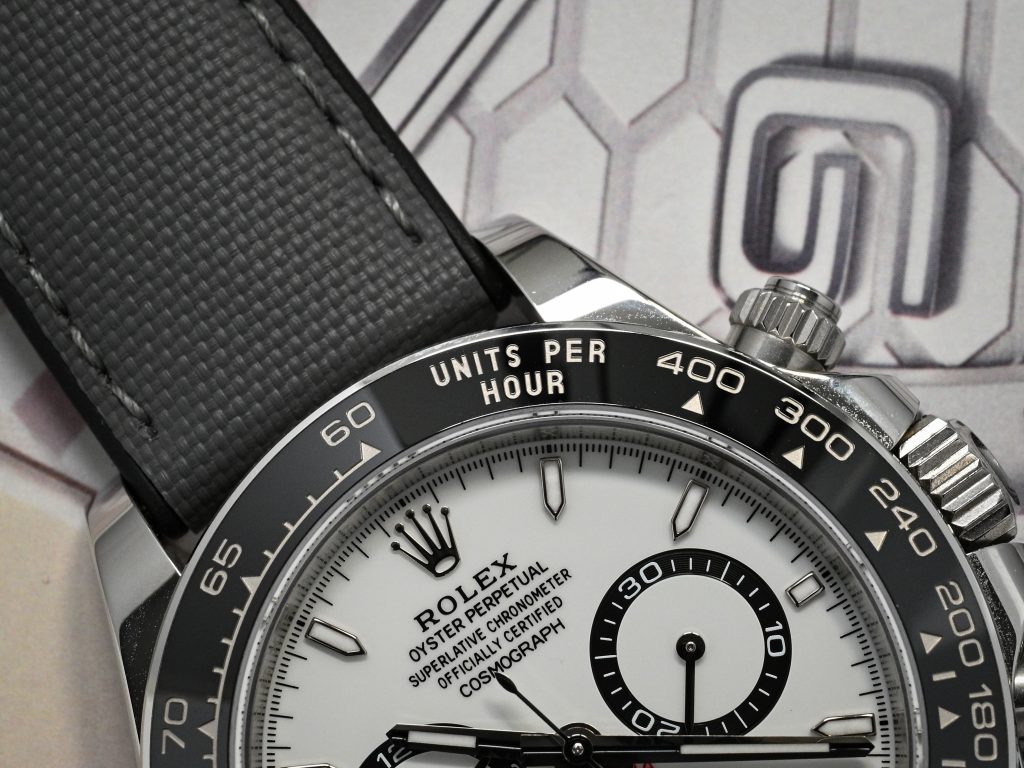
That said, most Daytonas are not exactly seeing hard use, and I’m sure more than half of them spend their lives in a safety deposit box or in transit between grey market dealers. So yes, I understand the engineering argument, but I still miss the visual uniformity of the previous full ceramic bezel.
Elapsed Time & Water Resistance
The second strength is capability. This Daytona has 100m of water resistance, a 72-hour power reserve, and a chronograph layout with central seconds, 30-minute counter, and 12-hour counter. That 100m rating sounds ordinary until you remember how many chronographs still struggle to offer anything close to that. The Speedmaster’s 50m rating is still remarkably weak, and plenty of dressier chronographs are even less resilient. We now live in an era where dressy watches without screw-down crowns can be designed and engineered to have water ratings up-to 100m, so anything less than that feels like a compromise. And if you think price has something to do with this, the 200m water resistant Sinn 103 St Ty Hd is a great example of what you can achieve if you put some thought into it. The Brietling Navitimer’s 30m of water resistance feels shameful in comparison, when even small brands like MING can deliver 50m of water resistance in a case that is exponentially more complex.
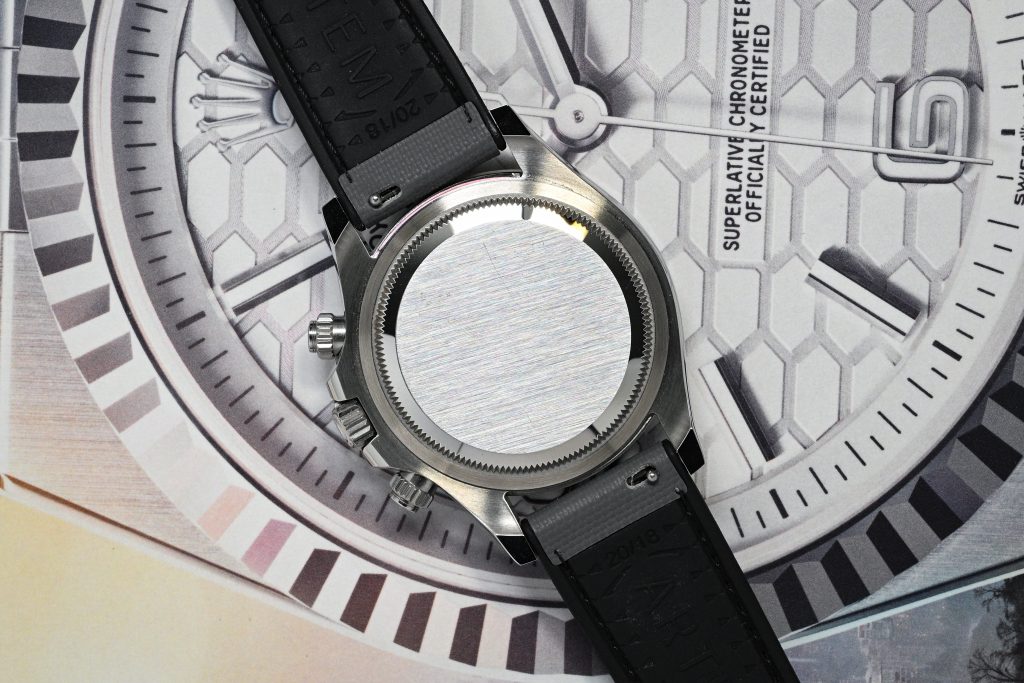
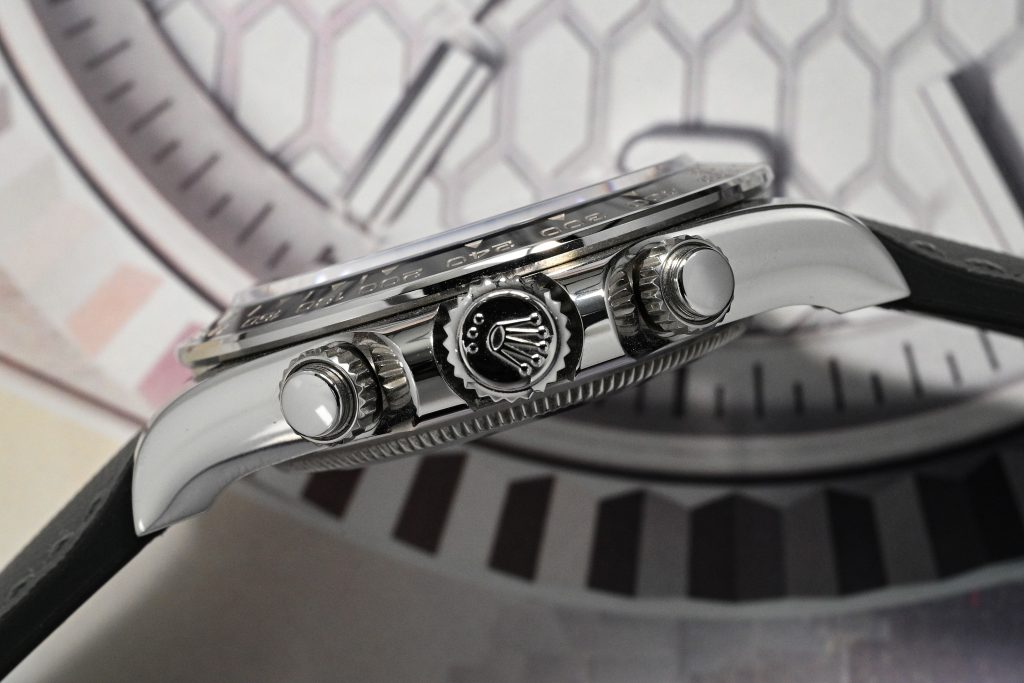
That said, the screw-down pushers remain one of the Daytona’s silliest features. I understand the history and the identity, but if you actually want to time something, unscrewing the pushers first is absurd. Sinn and Guinand have both shown that capable chronographs can deliver impressive water resistance without turning chronograph use into a small ceremony.
There is also a practical timing advantage that often gets lost in the discussion. The Daytona is not just a chronograph in the abstract; it is a chronograph that can time useful durations. With a central chronograph seconds hand, 30-minute counter, and 12-hour counter, it can time anything from a short interval to a long drive, flight, workday, parking meter, or endurance event. That may sound obvious, but it is not universal. Some of the most beautiful high-end chronographs are fundamentally short-duration timers. The Patek Philippe 5172 and A. Lange & Söhne Datograph may be more romantic and more traditionally beautiful as chronographs, but both are built around 30-minute totalizers. Lange describes the Datograph Up/Down as using a precisely jumping minute counter and measuring elapsed time to one-fifth of a second, but it remains a short-duration chronograph rather than a 12-hour timing instrument.
That does not make those watches worse. It just means they deliver a different kind of pleasure. A 30-minute chronograph can be mechanically beautiful and emotionally satisfying, but as a practical timer, the Daytona is more versatile.
126500LN “Panda” Dial
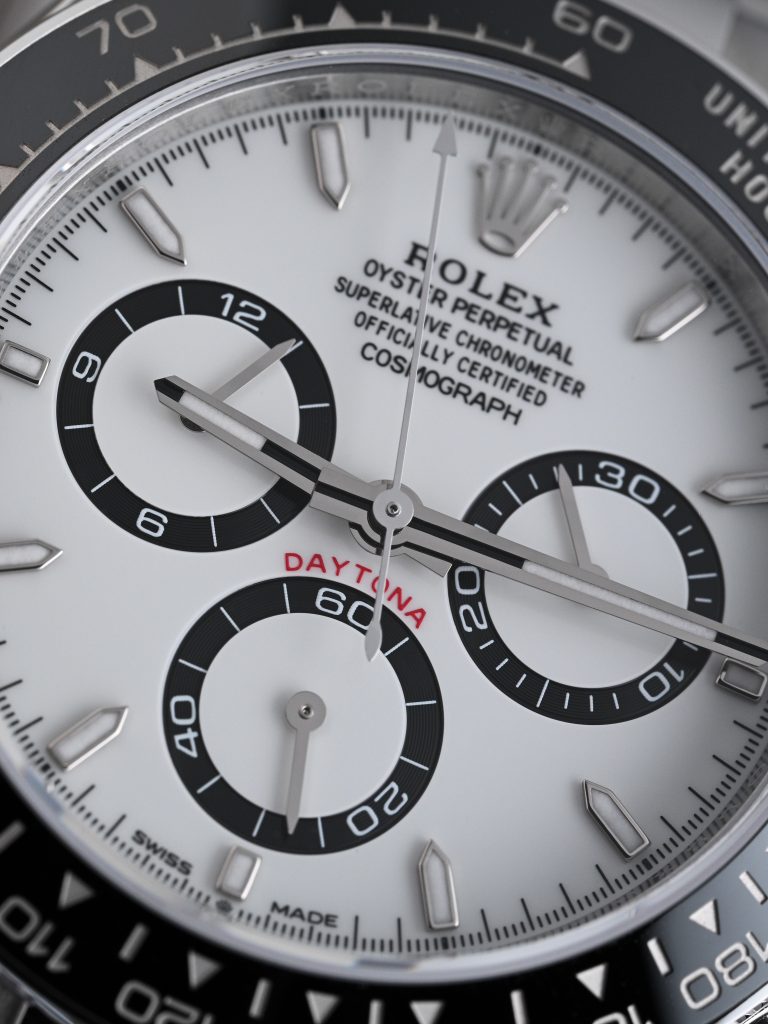
The choice between the black and white dial is easy for me. Over the years, I’ve learned that dark dials paired with steel hands can be challenging when those hands do not have enough contrasting finishing, facets, or lume plots to separate them from the background. And while the hour, minute, and large central chronograph seconds hands are very legible on the black dial Daytona, I find the three sub-dial hands much easier to lose, not just on this version but on darker dial Daytonas in general. The white dial avoids that problem. The hands shift from shimmering silver to an almost black tone depending on the light, and against the white dial that contrast remains usable in nearly every situation.
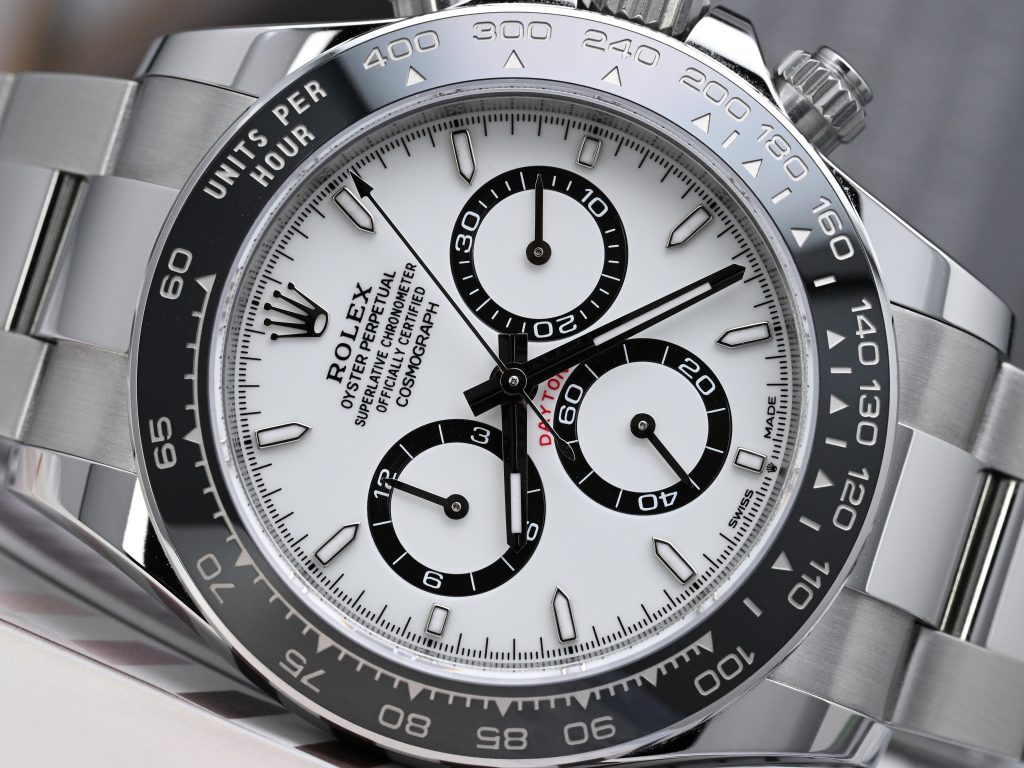
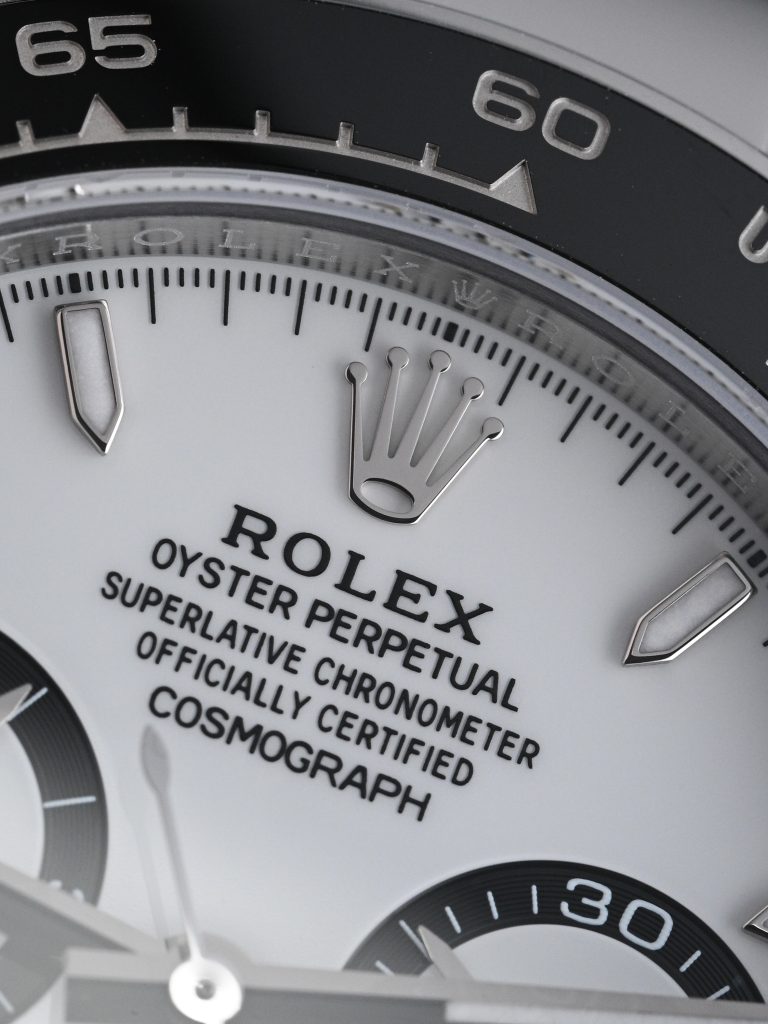
The dial itself is cluttered, text-heavy, and unmistakably Rolex, but it is still extremely legible. The white dial with black rings has strong contrast, the chronograph scales are easy to parse, and the new generation feels a bit cleaner than the outgoing 116500LN. It is not as romantic as the Sinn 103 St Ty Hd, not as beautifully theatrical as the Chrono Tokyo, and not as mechanically architectural as the MING 20.01, but it works.
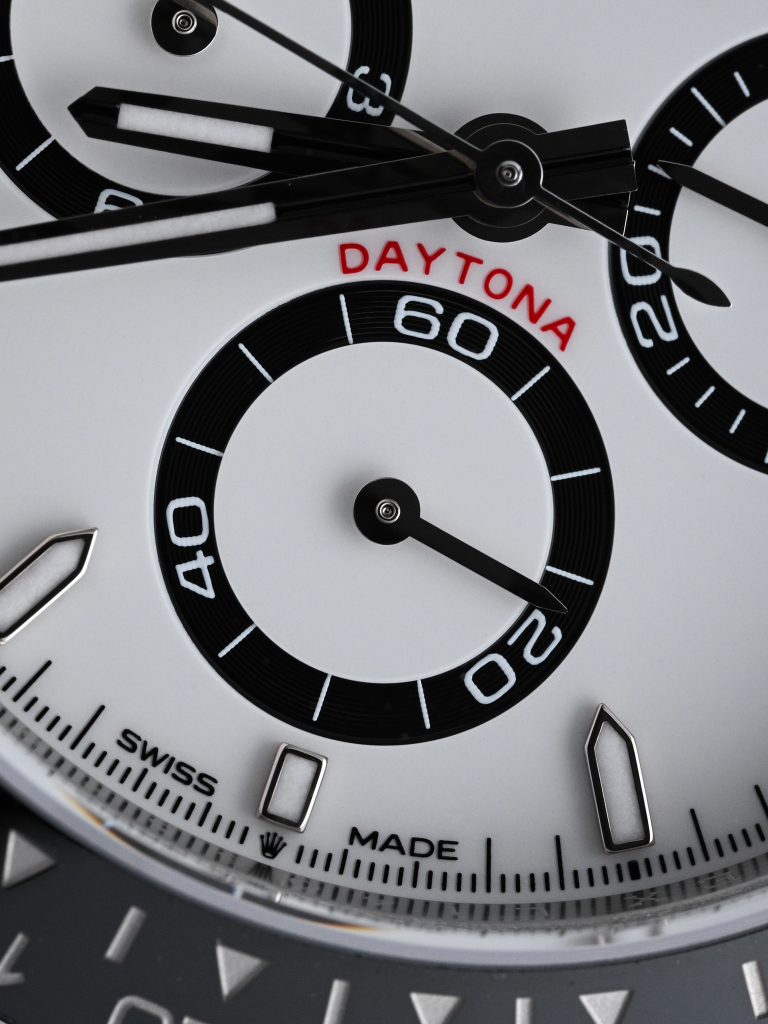
The dial quality also deserves more credit than Rolex usually gets. Rolex is not always discussed in the same breath as Grand Seiko when it comes to dial finishing, and I understand why. Grand Seiko’s dials remain some of the most clinically perfect and impressive surfaces I’ve seen under macro. But this Daytona dial is exemplary in its own quieter way. It is simpler, more traditional and very Swiss, but the execution is excellent: the printing is crisp, the markers are cleanly applied, and the lacquer surface has an almost enamel-like quality to it. Under macro, you can even see a subtle shadow cast by the pad-printed text over the lacquer, which adds a surprising amount of warmth and character. I did not expect the Daytona dial to feel charming up close, but it does.
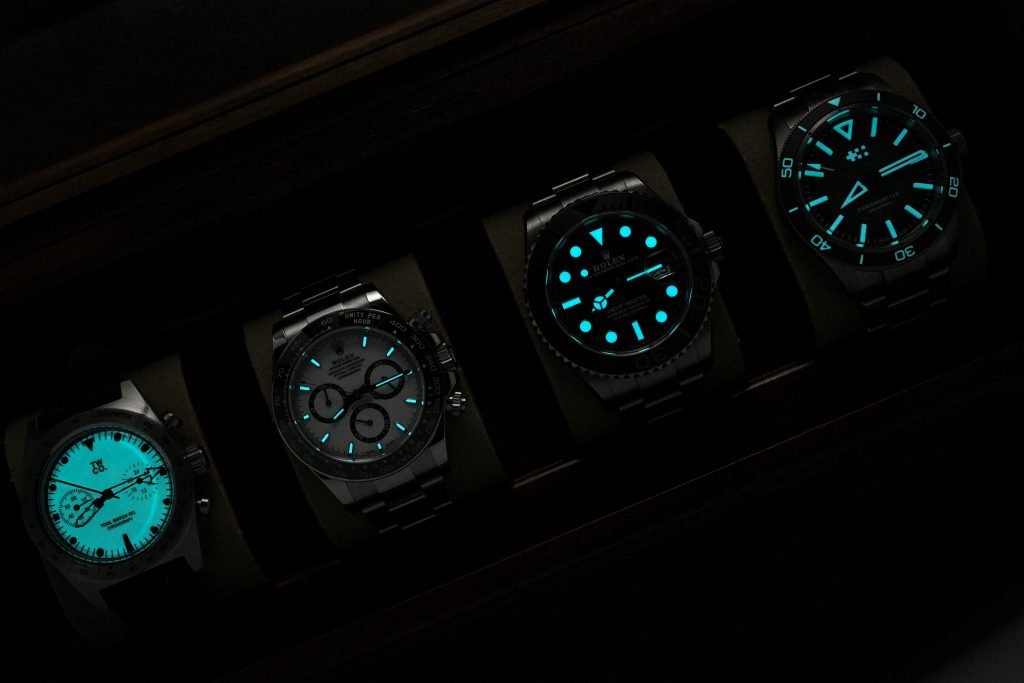
The lume is good and perfectly usable, but it is not as strong as what I’ve experienced on Rolex dive watches and GMTs. That makes sense given the smaller luminous plots and the basic dial architecture, but it is worth pointing out. It does the job, and it stays legible through the night, but its not doing anything out of the ordinary.
Caliber 4131
Inside is the caliber 4131, an evolution of the 4130, and this is where the Daytona deserves more respect than the hype cycle gives it. Introduced in 2000, the 4130 became one of the best automatic chronograph movements in its category because it was compact, efficient, robust, and intelligently simplified. Its low parts count contributed to its reputation for reliability, and with the 4131, Rolex reduced that count even further while adding the Chronergy escapement and improved finishing, including Rolex Côtes de Genève.
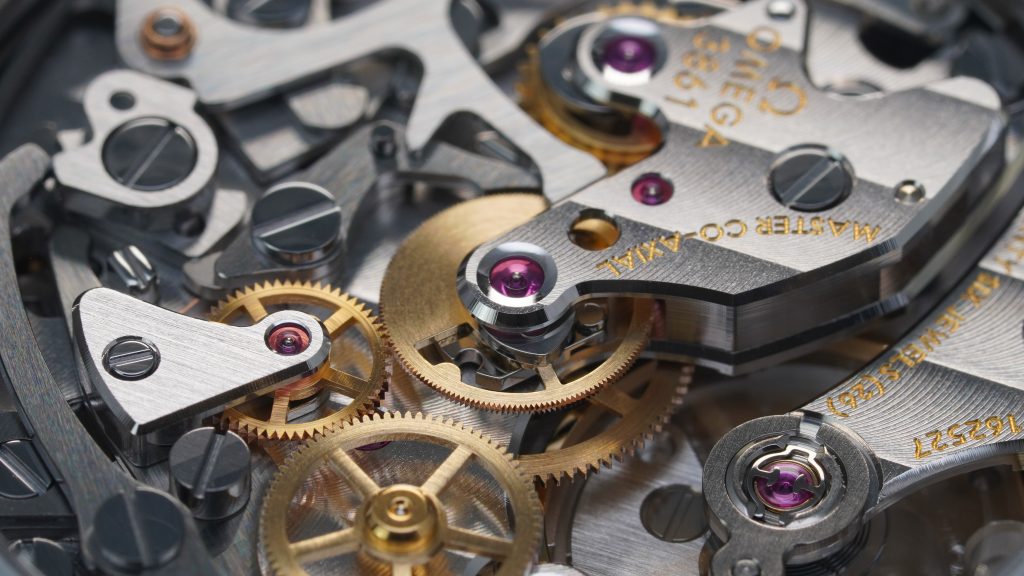
The 4131 also retains clever hidden features like the LIGA-fabricated spring-loaded chronograph wheel. Its tiny flexible teeth reduce backlash in the chronograph seconds train at the gear mesh itself, avoiding the drag and wear of a traditional tension spring. It is difficult to manufacture and mostly invisible, but its purpose is visible when the chronograph runs. In my experience, the Daytona has one of the smoothest central chronograph seconds hands I’ve encountered, with noticeably less jitter than the 3861-equipped Speedmaster and even the Agenhor Agengraphe-equipped MING 20.01 models I’ve handled.
The pusher feel also suits the Daytona. It is not buttery and soft like a high-end Patek Philippe or Lange chronograph; it is loud, tactile, and resistant. But the resistance feels calibrated and intentional, with a consistency across start, stop, and reset that many Valjoux 7750-based chronographs lack. The Sellita monopusher in the MING 57.04 Iris is a good example of a less satisfying tactile experience: functional, but not at all refined.
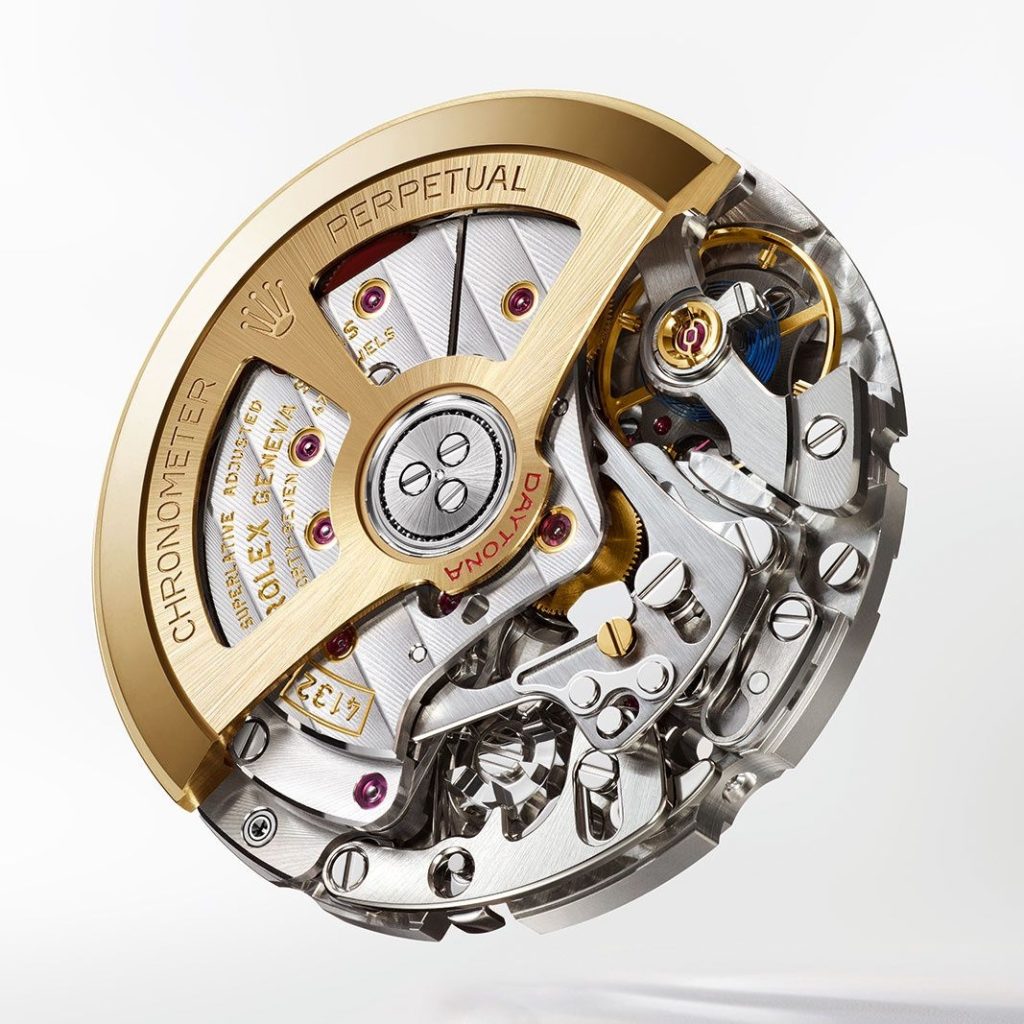
Image Credit: https://watchbase.com/rolex/caliber/4132
Accuracy is another Daytona strength. A chronograph is a precise timing device, so it is strange how often accuracy becomes secondary to finishing, rarity, or movement architecture. Rolex rates the 126500LN to -2/+2 seconds per day after casing, one of the strongest claims among traditional mechanical chronographs. The 3861 Speedmaster is Master Chronometer certified and generally rated to 0/+5 seconds per day, which is excellent, but Rolex gives a tighter tolerance. To be fair, Patek Philippe’s current Seal is even stronger on paper, requiring movements over 20mm to run within -1/+2 seconds per day.
But since we are talking about mainspring-driven chronographs, Grand Seiko likely has the technology to make the most accurate one: the 9R86 is rated to ±15 seconds per month, while the 9R96 improves that to ±10 seconds per month. They also maintain useful chronograph functionality, including 12-hour timing. The shame is that Grand Seiko’s Spring Drive chronographs are humongous, practically unwearable for many modest wrists, and often quite “out there” in design. So while the Daytona is not the most accurate chronograph in absolute terms, among compact, traditional, fully mechanical luxury chronographs, its -2/+2 seconds per day rating remains a real strength.
Value Talk
Price is where the Daytona discussion becomes uncomfortable, because calling a roughly $17,000 steel Rolex a “good deal” sounds ridiculous. But the watch market has shifted enough that the argument is not as absurd as it seems. A Grand Seiko Tentagraph costs just under $15,000, a Zenith El Primero around $11,000, a modern Omega Speedmaster is now around $9,000 in sapphire form, a Tudor Black Bay Chrono is about $7,000 on bracelet, the Sellita-powered MING 57.04 is nearly $8,000, and plenty of independents using fairly generic chronograph architectures are comfortable asking well into five figures (Czapek Faubourg, Parmigiani Tonda PF Chronograph, etc.). Rolex lists the steel Daytona 126500LN at $16,900, and in that context, a watch with this movement, this case, this water resistance, this legibility, this accuracy, and this heritage starts to look like a stronger value than the surrounding hype makes it seem. That is an absurd sentence to write, but this is apparently the world we live in.
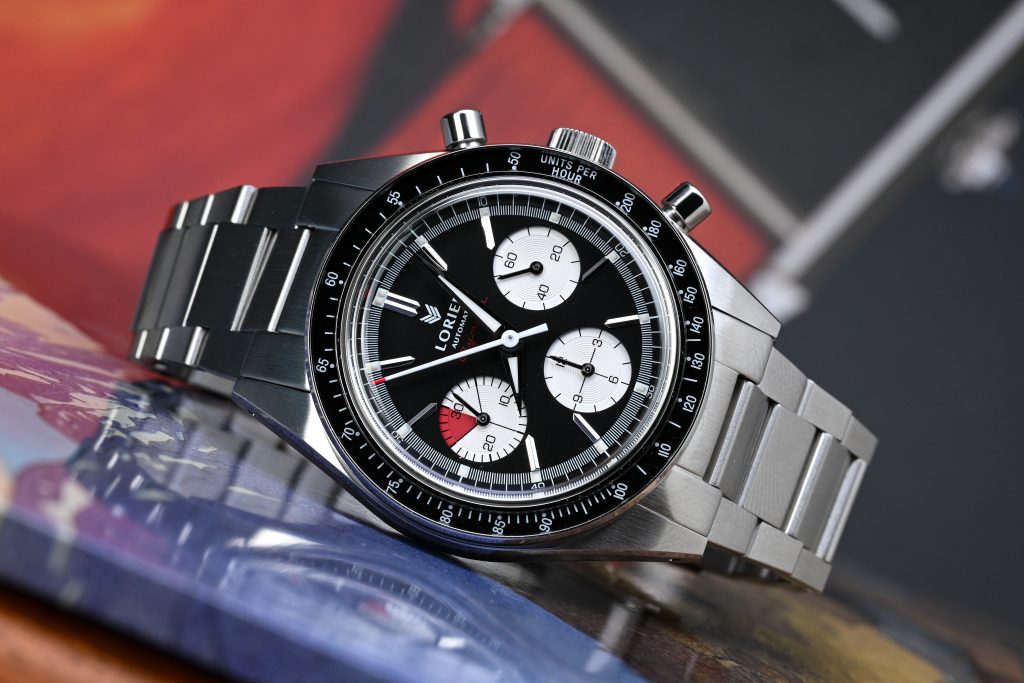
The healthier counterpoint is the Lorier Olympia SII Contrasto, which exists in this same universe at $999 with a Seiko NE88 movement that I find genuinely impressive. If you needed validation, even Grand Seiko agrees that the NE88 chronograph architecture has merit, because the $14,700 Tentagraph uses the same module architecture on top of its higher-end 9SA5-derived base movement. I also find the Sinn 103 St Ty Hd to be particularly well priced at around $3000 USD before tariffs and taxes.
Final Thoughts
My only issue with the Daytona is not the watch itself, but what it has come to represent. The polished center links make it flashier than it needs to be, and the broader culture around the watch has made it feel less innocent to wear. The Daytona has become a symbol of some of the worst parts of this hobby: allocation games, resale obsession, investment talk, and the kind of public attention that makes wearing a watch feel less like personal enjoyment and more like social signaling.
And that is a shame, because once you separate the Daytona from the circus around it, the watch remains excellent. It is not the most romantic chronograph, not the most interesting chronograph, not the most beautiful chronograph movement, and certainly not the only chronograph worth wanting. But it is one of the most complete.
Maybe that is the healthiest way to appreciate the Daytona. Not as the final word in chronographs, and definitely not as a financial instrument, but as one very very good answer among many. Chronograph appreciation should be broad enough to include a Zenith, a Speedmaster, a Sinn, a MING, a Datograph, a Patek, a Petermann Bédat, and a Daytona without pretending that any one of them makes the others irrelevant. The Daytona is special. But chronographs are bigger than the Daytona.