Disclaimer: This watch prototype was sent to me to review. This is not a sponsored post, but the brand will send me a Decompression 02 production unit in the future. All opinions here are my own, and Bühlmann, Watch Angels had no influence over the opinions stated here.
Bühlmann Decompression 02: https://www.watchangels.ch/en/watches/buhlmann-decompression-02/
Video
Bühlmann & The Decompression 02
There’s a certain sub-genre of tool watches that I can only describe as “extreme watches”; the kind that feels engineered with a blatant disregard for subtlety, formalities, or the opinions of normal people. Think of the Omega Ploprof, the Rolex Deepsea Challenge, IWC’s Deep One (IW3527), Blancpain’s X Fathoms, etc. They don’t just suggest that they’re serious through a marketing campaign, but practically shout it through a megaphone (while wearing a wet-suit).
And honestly? I believe these are some of the coolest watches in the entire watch universe, because they’re not trying to be a tasteful accessory: they’re trying to be a solution to a very specific problem, even if that solution comes wrapped in a watch that looks like it could double as diving equipment. Even if that problem isn’t one you face at all… because, well, most of us don’t need these features in ordinary life; there’s real joy in owning and experiencing these extraordinary watches.
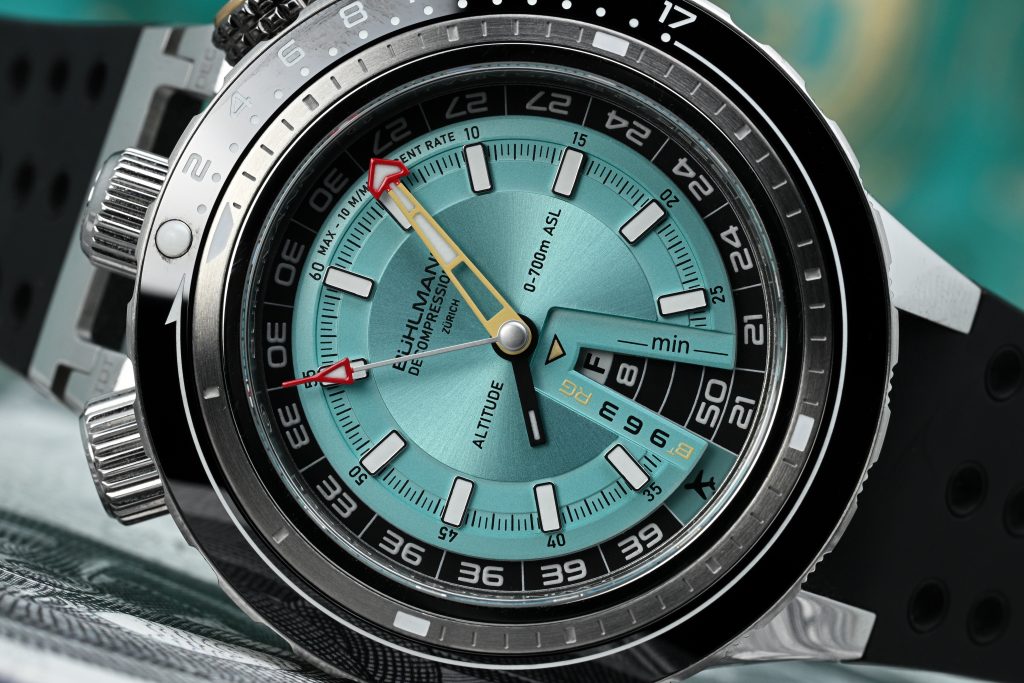
After spending only a few minutes with the Bühlmann Decompression 02, I realized it most definitely belongs in that category. And it’s doing something even more niche: it’s attempting to translate decompression theory into a purely mechanical, wrist-worn interface. And here’s the thing: I’m not a diver. Like… not “casual diver”, not “once tried it on vacation”, just no diver at all. But I still love the dive watch genre and find watches like this fascinating, because the appeal isn’t limited to whether you personally need it. The appeal is that it represents a very specific kind of watchmaking energy: over-engineered, hyper-focused, borderline unreasonable… and therefore irresistible.
Before getting into how the watch works, we should to talk about the name on the dial: Dr. Albert A. Bühlmann. He was a Swiss physician and researcher who worked on decompression theory at the Laboratory of Hyperbaric Physiology at the University Hospital in Zürich, and over decades developed the decompression models known as the ZH-L family. His work matters because versions of these models became foundational for how divers plan and execute decompression, and they’ve been used as a basis for decompression tables and incorporated into many modern dive computers.
This is the second watch from the Bühlmann brand, which has been brought to life by Thomas Bühlmann and Watch Angels. For those of you who don’t know, Watch Angels is a hybrid crowd funding style platform, except that each brand or designer works directly with Watch Angels’ Swiss R&D lab and leverages their manufacturing expertise to bring these watches to production. They have released some excellent pieces over the years, and worked with brilliant designers and brands, such as Thomas Funder, Cedric Bellon, Waltham, and even Frederique Constant. At the time of writing, the 575 piece limited edition Decompression 02 was available for CHF 3790 with deliveries in August 2026.
How does it work?
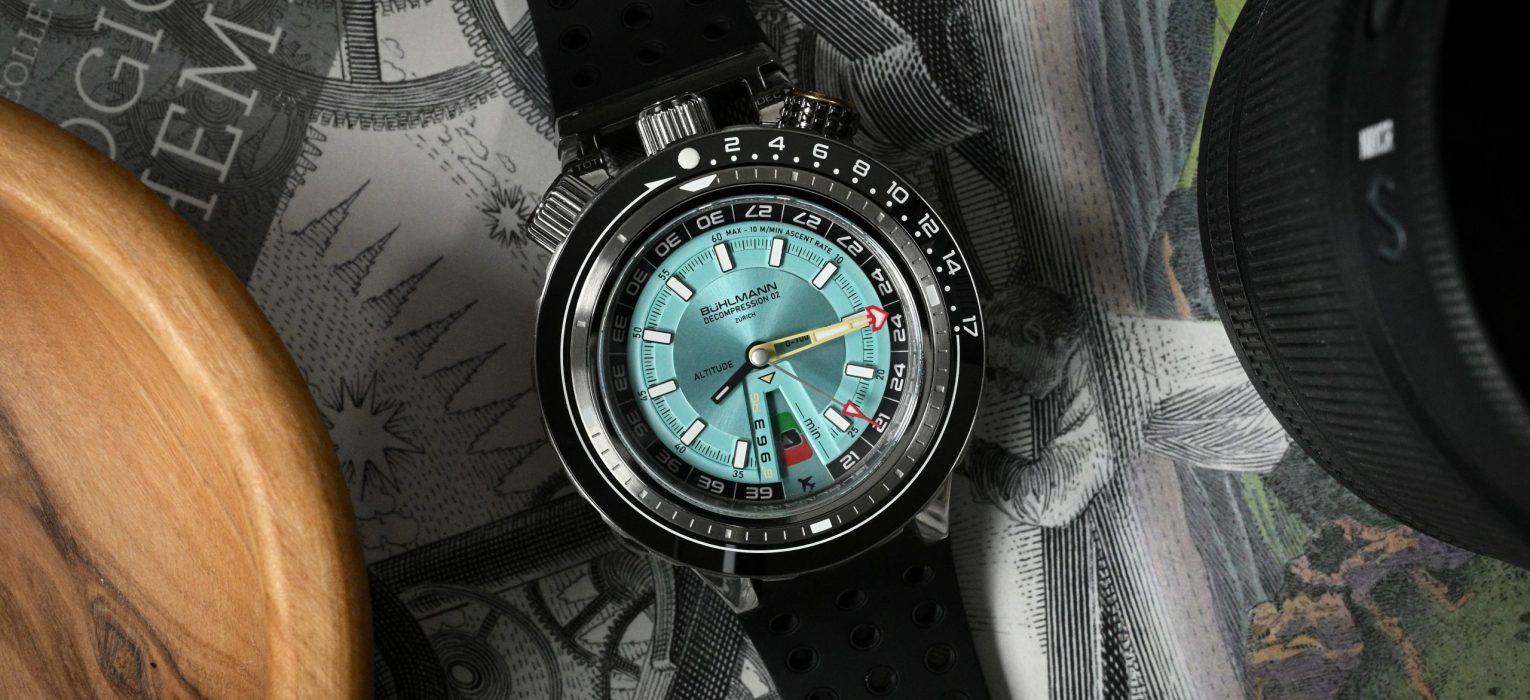
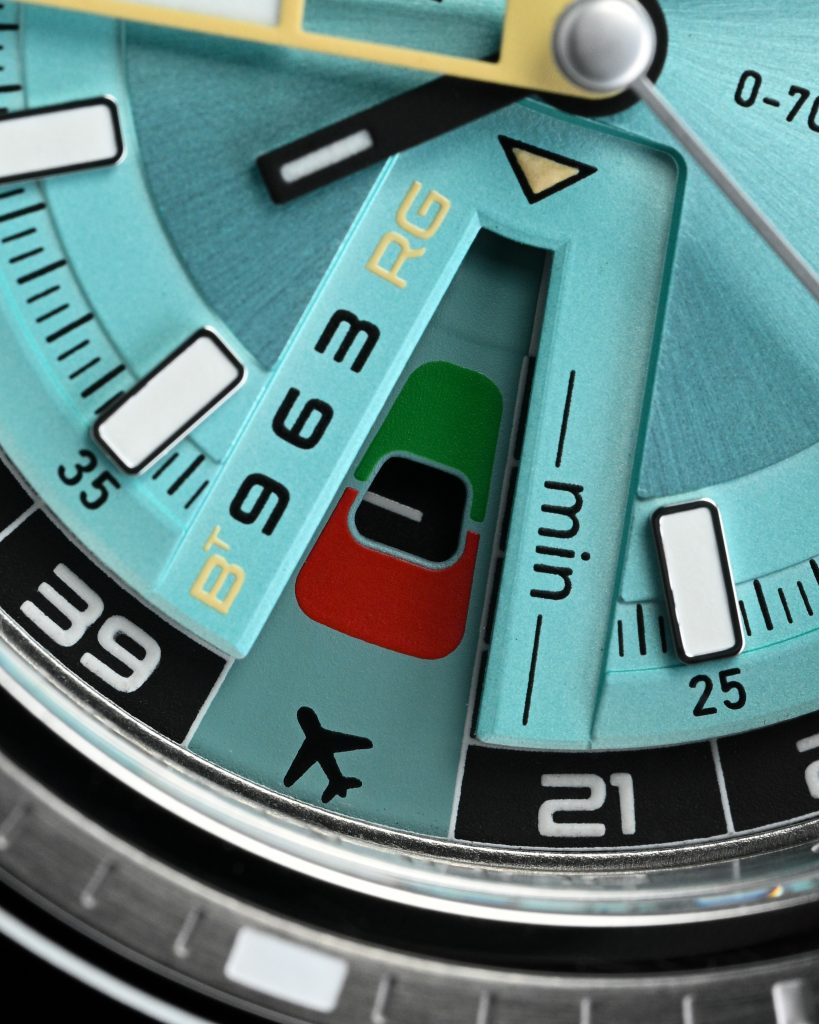
A traditional dive table is basically a pre-computed cheat sheet for physiology: for a given depth and bottom time, it tells you what kind of ascent is considered acceptable: including whether you need decompression stops, and how long those stops should be. It’s the old-school planning backbone that existed long before computers, and even now the logic behind tables still underpins a lot of modern decompression modeling. The 02 takes that idea and makes it wrist-operable: it integrates a ZH-L16B Bühlmann decompression calculator on a rotating bottom aperture, with 17 recreational dive profiles that you select and then read through the opening at six o’clock.
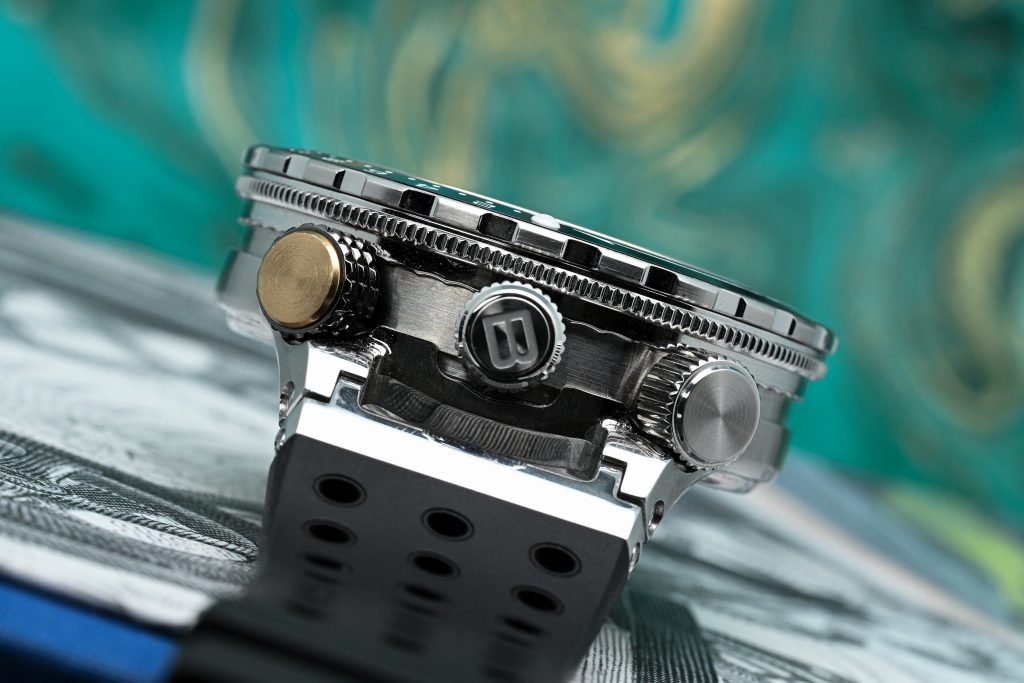
What makes the integration here feel more than just a gimmick is that it’s designed as a practical workflow: before the dive, you’d use the bronze-capped 8mm screw-down crown at 1 o’clock to rotate the decompression dial beneath the center dial to the specific depth/bottom-time combination you plan to do, and lock it in for the dive: the watch is very explicit that it’s about planning and then executing the plan, not dynamically adapting to your conditions. Hodinkee’s write-up states this well: it’s educational and preparatory, and it doesn’t adapt like a dive computer would – it’s a mechanical interface for a chosen profile, not an intelligent machine. So understand it carefully, if you plan to use it.
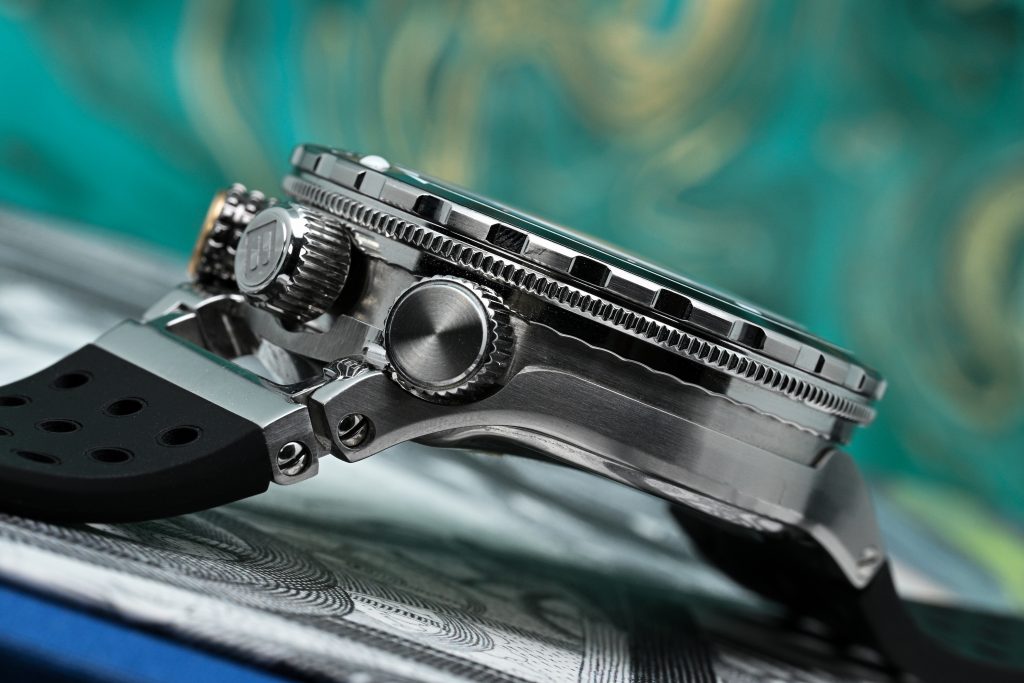
Then you get to a real party trick: the two bezels, which is where you get a taste of the excellent (over-) engineering. It uses a Twin Safety Bezel® system to split two jobs that a normal dive watch lumps together: the inner steel bezel is for Total Dive Time (TDT), and the outer black ceramic bezel is for timing Decompression Stops (DS); Watch Angels states this as a safety feature, and it is, because each bezel has its own “fail-safe” blocking direction. In practice, you align the TDT scale at the start to track elapsed time, then when it’s time to ascend you’re using the outer DS bezel to time your stops. The inner bezel is locked by default, and can be adjusted by operating the 8mm screw-down crown at the 11 o’clock position.
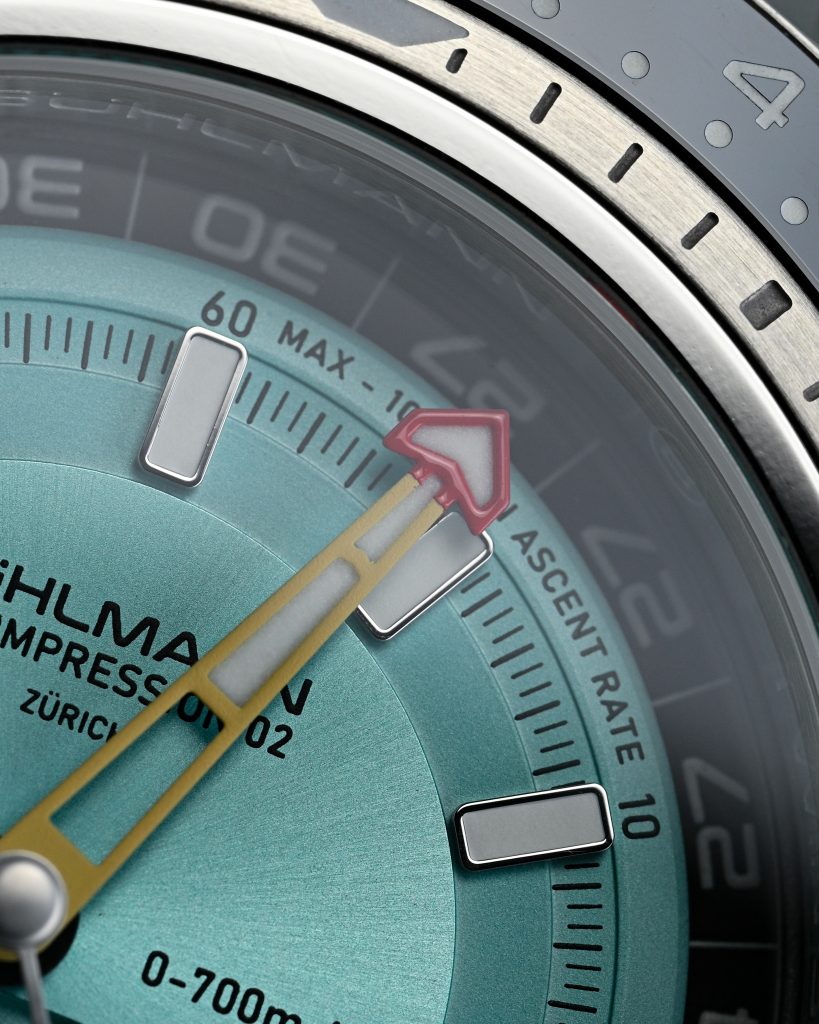
Altitude is another detail that’s easy to overlook if you’ve never had to think about it, but it’s a real-world complication: the surface pressure is lower above sea level, and decompression planning cares about pressure differences, not just “meters on a dial”. That’s why the 02 explicitly references 0-700m ASL (above sea level) dive tables as the basis for the profiles printed into the watch, and that you need the right table logic for the environment you’re in. And once you’re back on land, the watch also builds in a safety reminder feature: you can switch the dial to fly-no-fly and set an indicator to “no-fly” after a dive, only returning to “safe” once it progresses into the green zone after 24 hours. This is built into the date wheel mechanism of the underlying Sellita SW300 movement that powers this watch, that is operated by using the signed 7.6mm screw-down crown located at the 12 o’clock position.
How is this different from a regular dive watch, like a Submariner, for example? A Sub is a brilliantly executed elapsed-time tool: set bezel, track minutes, don’t drown, and you’re done. The 02 is trying to be a mechanical planning-and-management instrument that’s specifically oriented around decompression workflow, with a built-in set of profiles, a dedicated decompression timing bezel, and even a post-dive flying reminder. It’s less “how long have I been down there?” and more “how do I manage the structure of getting back up safely, according to a chosen plan?”. Entirely unnecessary to most of us desk divers? Absolutely. Does that make me want one any less? Nope.
What is it like, as a watch?
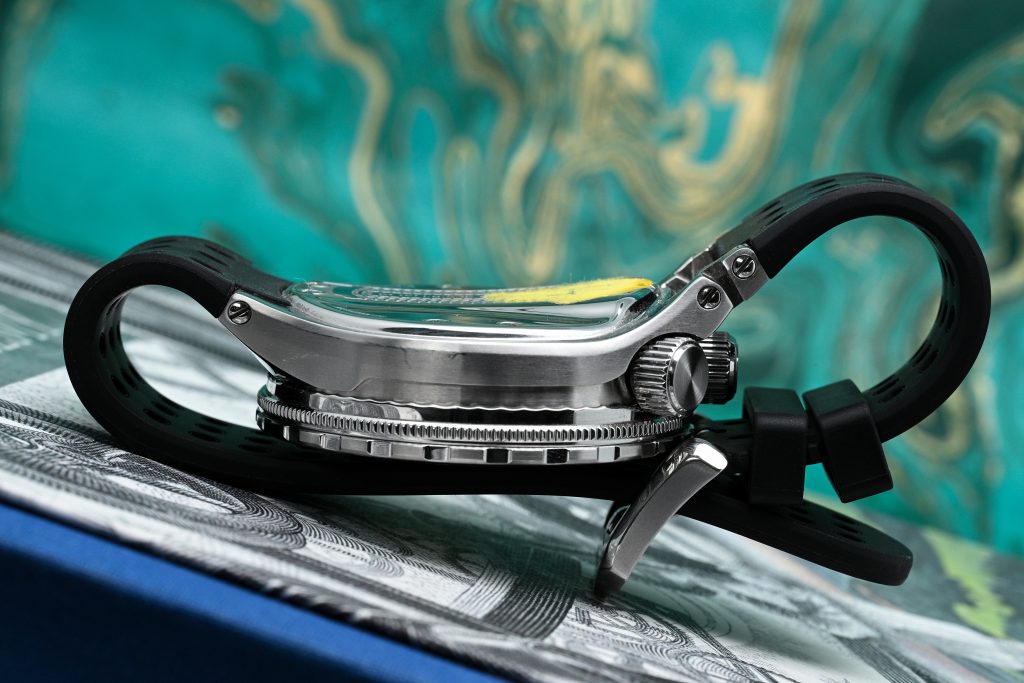
On paper, the 02 sounds like a full-on wrist destruction device. The case is 46.25mm in diameter, but it’s closer to 48.5mm across the bezel extremities, since the bezel sits wider than the case. Thickness is a hefty 16.30mm, and yes… that reads completely insane on specs alone. But in the metal, it’s surprisingly ergonomic, largely thanks to the asymmetric bullhead-style case that sits higher at 12 o’clock and lower at 6 o’clock, creating a subtle 5-degree incline that makes it easier to operate all three crowns even while it’s on the wrist. That bullhead design also uses a hinged case at 12 o’clock, which helps it wear far more compactly than you’d expect from a watch with roughly a 55mm span, and the whole package feels well proportioned and balanced on its integrated rubber strap that tapers from 26mm at the case to about 22mm at the buckle. Add the fact that it’s rated to 575m of water resistance, and it’s pretty clear this isn’t a watch built for subtlety.
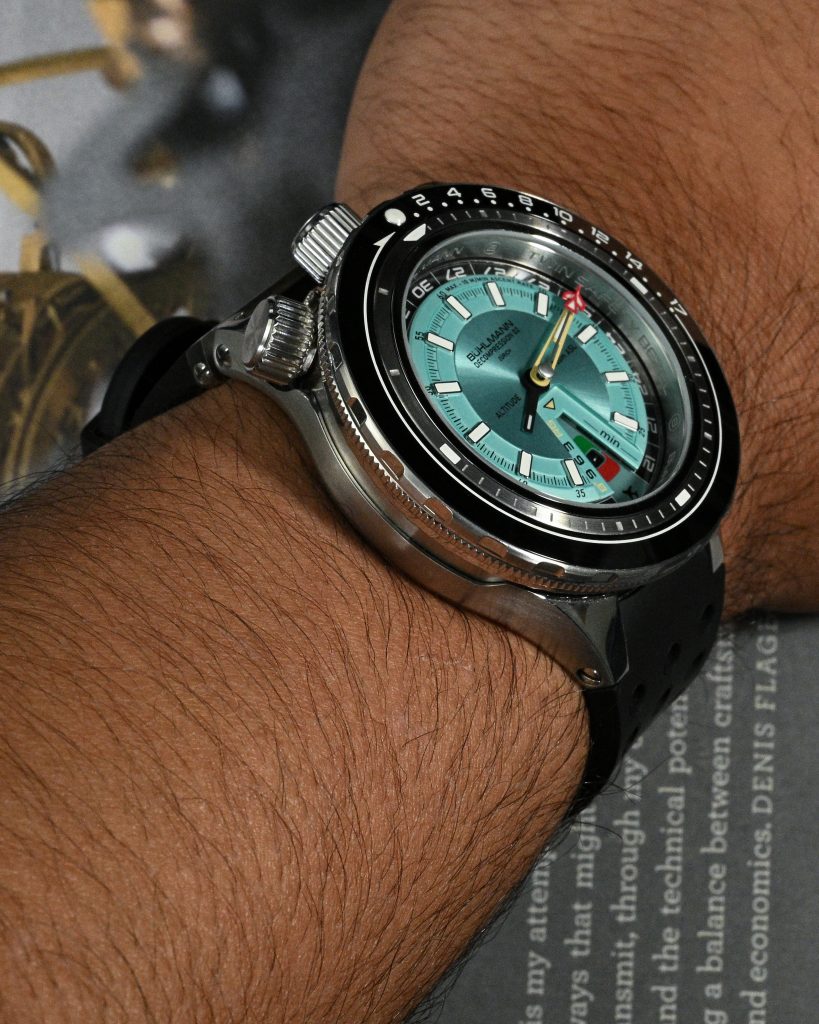
I’m sure nobody is going to believe me when I say that this watch wears well, but I have to say it anyway because it does. It’s certainly a large watch, but it isn’t unwearable, and I could wear it on my 6.75” wrist without looking completely insane. That said, you’d have to enjoy a similar aesthetic to wearing a Ploprof, Marinemaster 600, or Deep Sea: this is still an “extreme watch”, and it looks like one, but the way it sits on the wrist is much more friendly than the dimensions suggest.
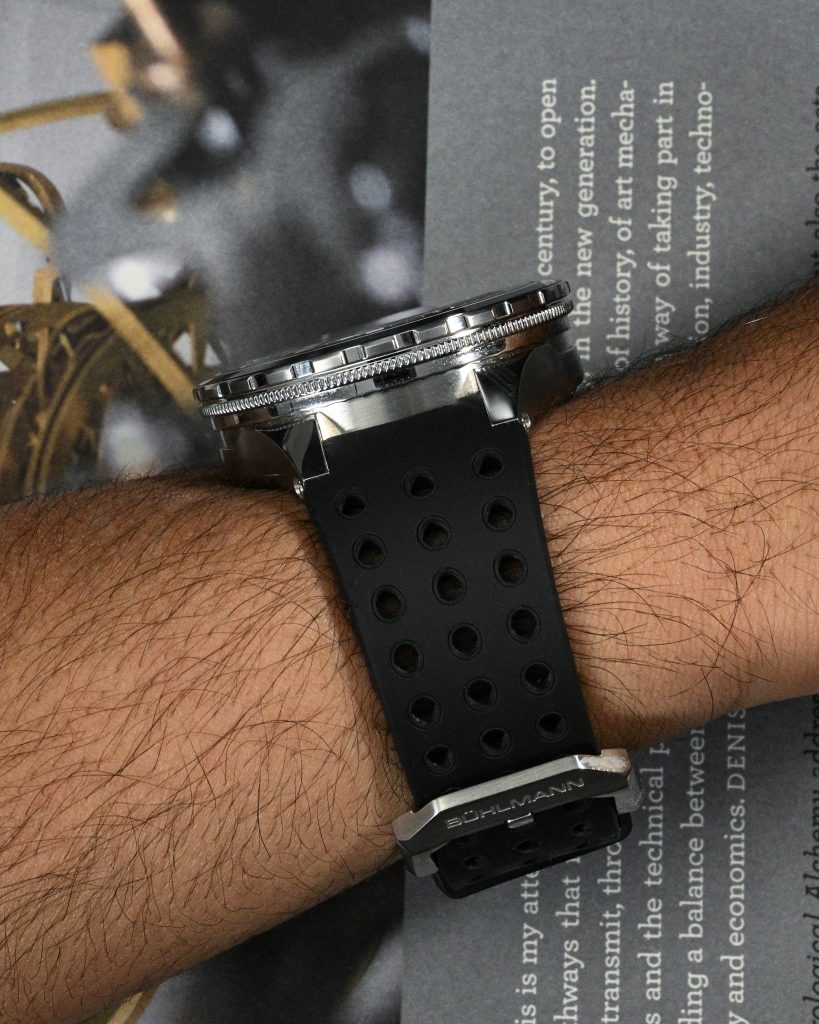
The build quality of the case is excellent. The action on both bezels is terrific with no back-play, and operating all three crowns is very smooth: the crown tubes feel properly machined for clean, consistent operation. The Sellita SW300 is an excellent movement and one of my favorite off-the-shelf movements under $10k, and this prototype was keeping great time at around +5 seconds per day, even at the end of what appears to be a long and tiring press tour, at least based on the condition of this example.
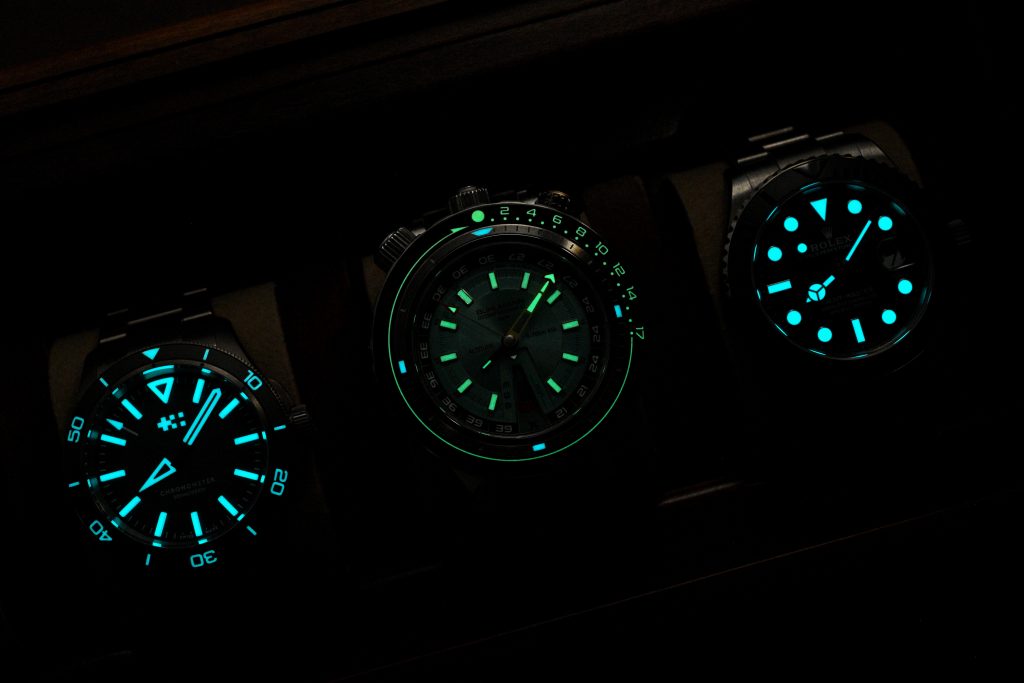
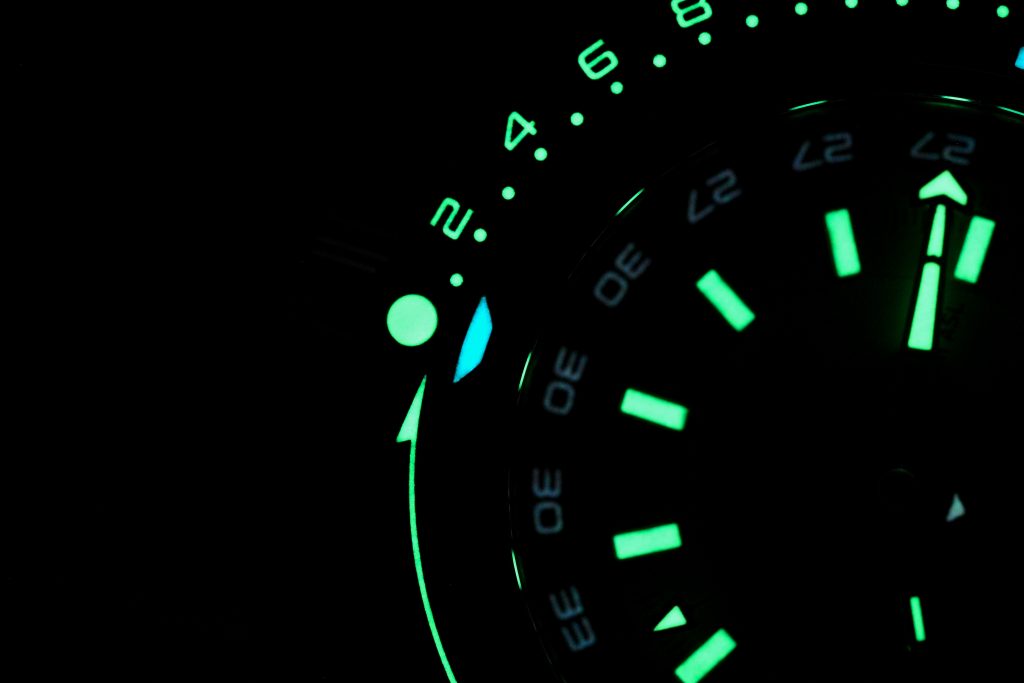
Lume use is generous, and I love the lume design on the bezel: the watch is very legible at night with all the right elements illuminated. The brightness isn’t the absolute greatest in the market, but it’s more than satisfactory even for a lume nerd like me, and longevity is excellent.
And overall, I particularly love the case design and how well it manages its size and 205g weight. It’s hard to handle this watch and not be impressed. This is not your average dive watch, and while the price is on the higher side for a “micro-brand”, I think it’s very well positioned, especially considering how much more wearable it is in person than it appears on paper.
Who is it for?
This watch was designed for a purpose, a very singular purpose, and it was created without much regard for anything else. It was created this way because it had to be created this way. The 02 doesn’t feel like a dive watch that accidentally picked up a couple of “tool” features along the way; it feels like a tool first, and then a watch wrapped around it. It’s big because it needs to be big. It’s complex because that’s the whole point. It’s interactive because it’s meant to be interacted with. And whether you use any of that in the water or not, you can feel that singular intent in the way the entire thing is laid out.
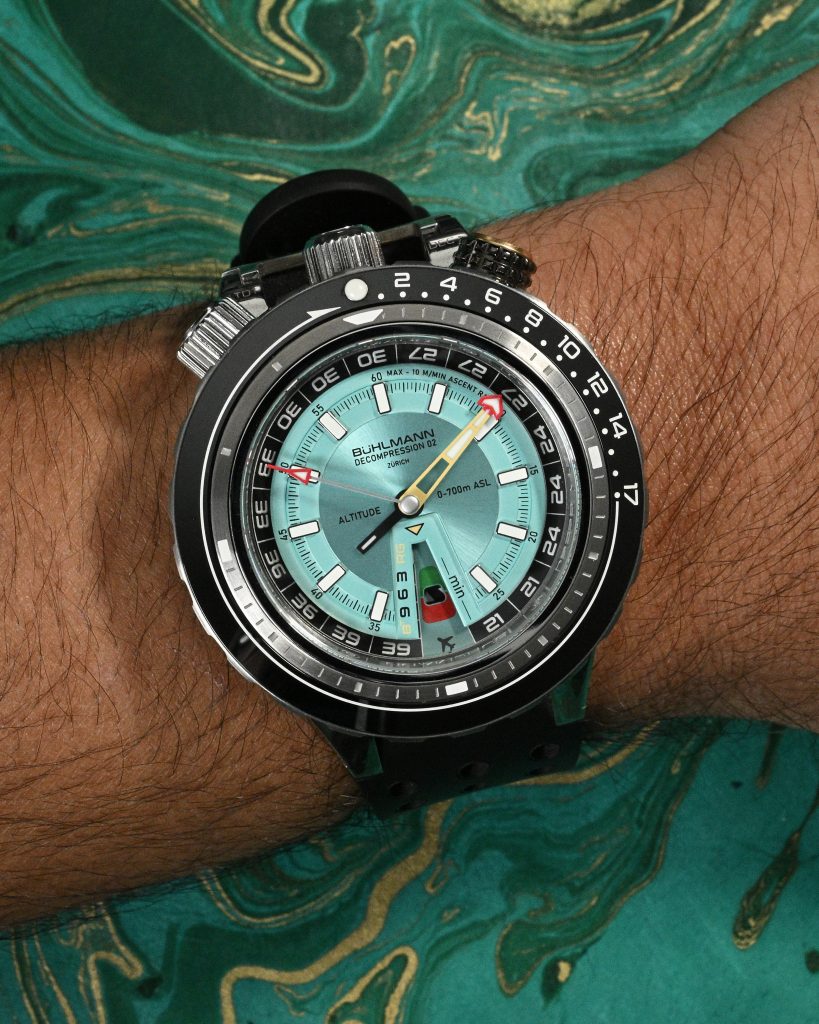
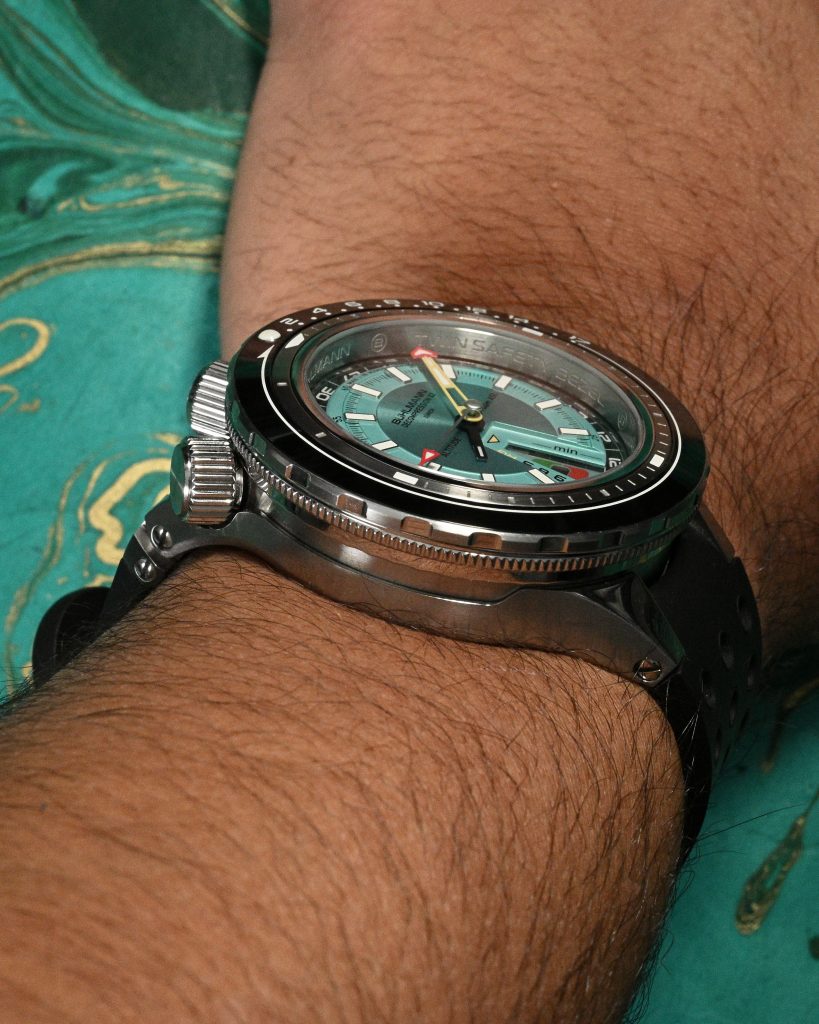
Does that mean only a serious diver should buy one? I don’t think so. Most serious divers will rely on a more advanced dive computer anyway, so the kind of serious diver who would use something like this isn’t just a diver, they’re also an enthusiast of old-school diving tools, and by extension, an enthusiast of dive watches. The way I see it, this is a serious watch with impressive engineering chops, designed to be a somewhat interactive planning tool for divers who are also into watches… the sort of person who enjoys the ritual of planning, the physicality of the interface, and the idea that the watch is doing something more involved than simply timing minutes.
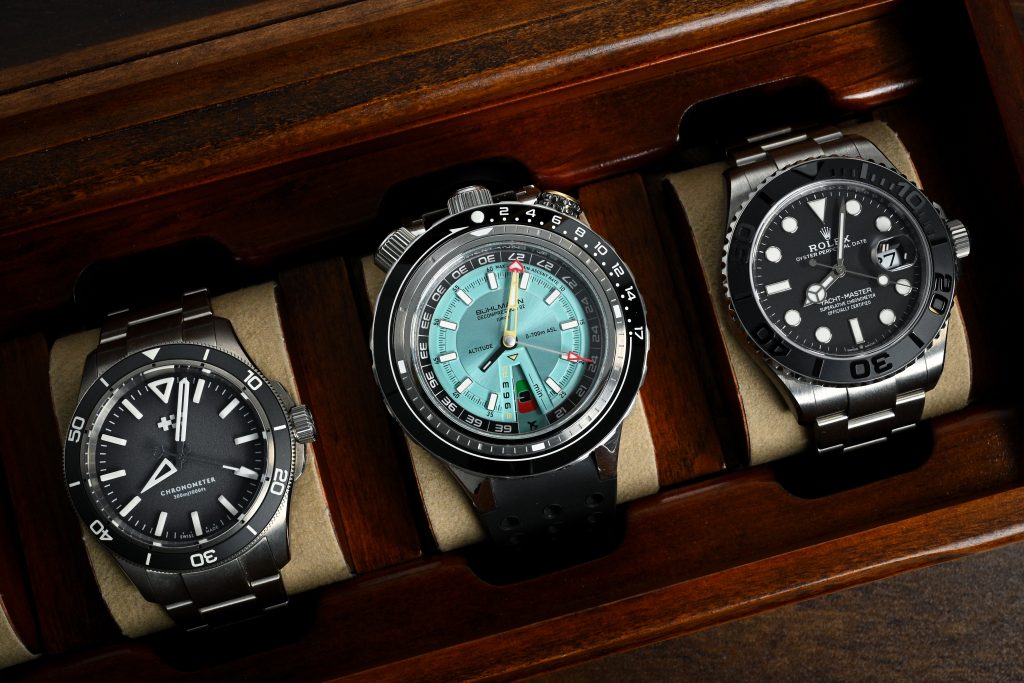
And just like dive watches are one of the most popular genres among people who don’t dive at all, I think the Decompression 02 is sure to find its way into collections of folks like myself – people who have never dived even once (accidentally), but love the idea of a romantic, over-engineered hyper watch designed to solve a problem that is likely to never be a problem, but contains a solution nonetheless. That paradoxical nature runs wild in this industry, and I wouldn’t have it any other way. So if you can appreciate the audacity of this watch: its design, engineering, and brutish looks, this is the watch for you even if you’ll never dive a day in your life; and if you do, you’ll have a great excuse to fiddle with your watch before and after you do.