Disclaimer: this video/review was not sponsored by Christoper Ward or any other entity.
Video
Review
Some watches impress me while I review them. Few will impress me enough to go out and buy one. And fewer still impress me enough to keep them long enough to celebrate their first birthday… almost. That’s exactly what happened with the Christopher Ward C12 Loco.
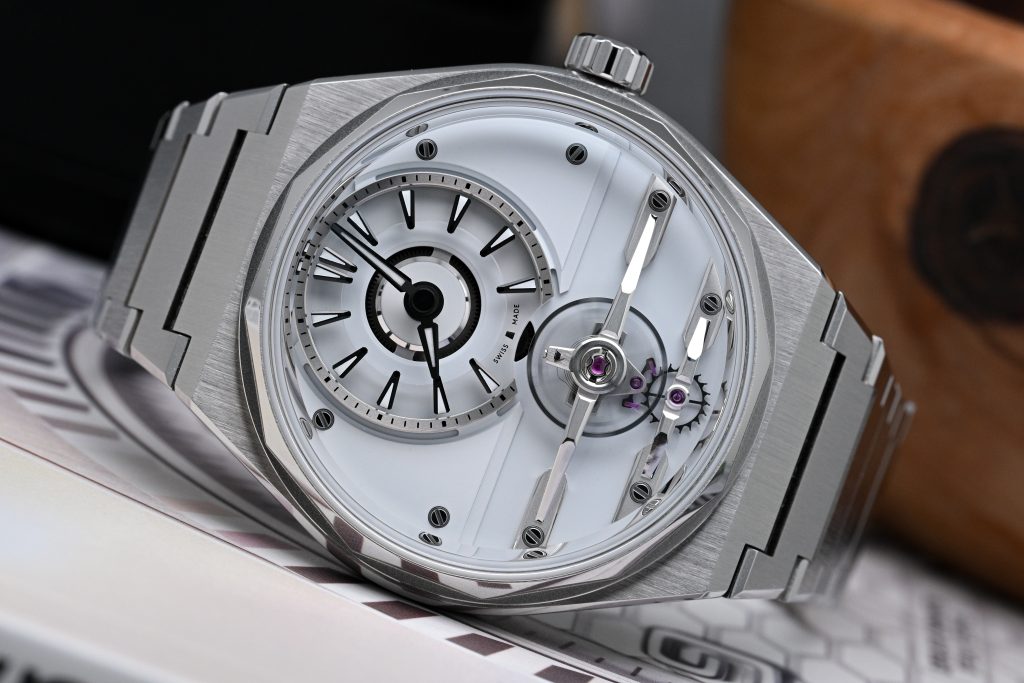
When I first reviewed the black dial version, what stood out wasn’t just the spectacle of the open balance and off-center display. It was that the watch had substance alongside the theater. The CW-003 felt mechanically thoughtful, the free-sprung balance wasn’t just there as a gimmick, and the movement finishing and architecture gave the watch a level of seriousness that felt unusual at this price. That review is what ultimately pushed me to buy the white dial version, and I’ve had it in my collection since July of 2025.
This isn’t a full review all over again. It’s more of a short follow-up after about ten months of ownership: a recap of what made me like the watch in the first place, a few things other reviews helped clarify, and some long-term observations now that the launch excitement is long gone.
Recap
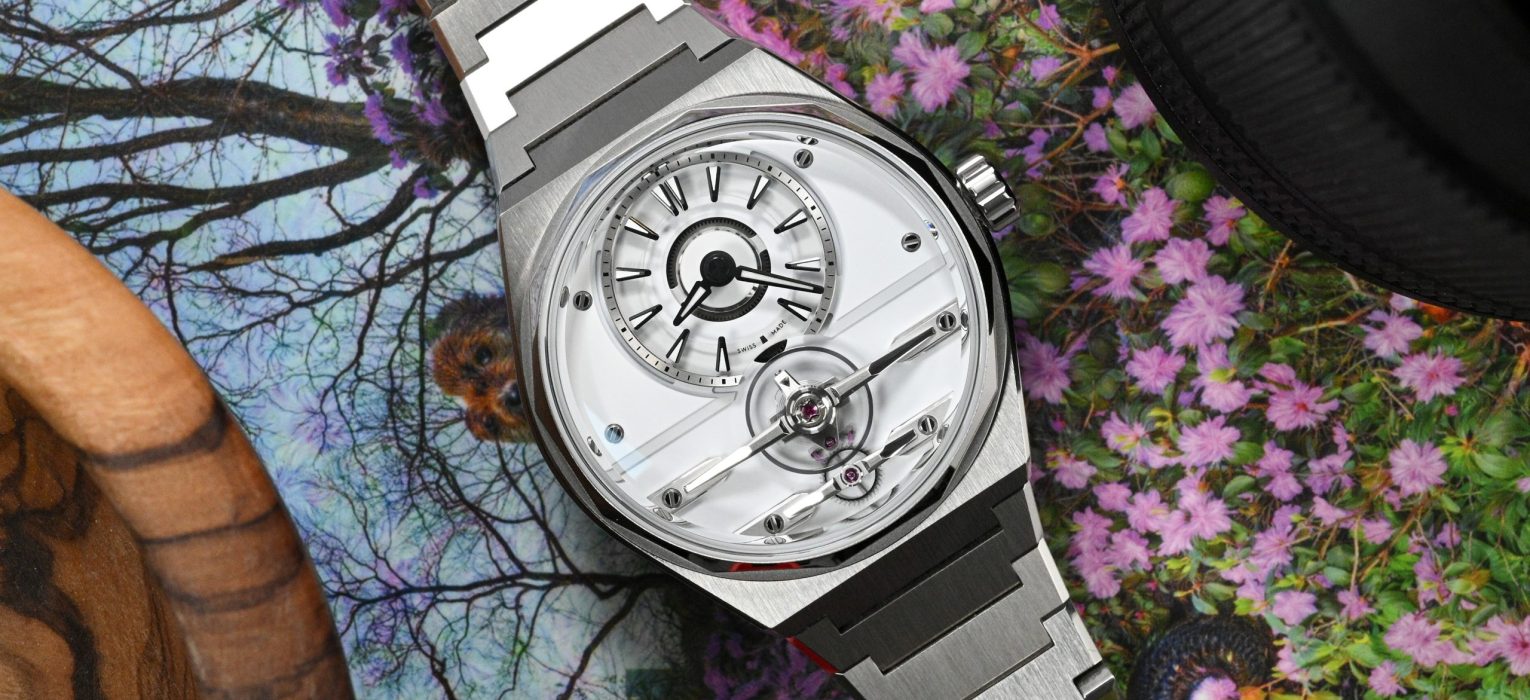
The C12 Loco is a 41mm stainless steel integrated-bracelet sports watch with a 47.5mm lug-to-lug, 13.7mm overall thickness, and a case that wears slimmer than that number suggests once you account for the tall front crystal. It uses Christopher Ward’s manually wound caliber CW-003, which runs at 4Hz, and delivers a 144-hour power reserve. Water resistance is 30 meters, the crown screws down, and the bracelet gets Christopher Ward’s on-the-fly micro-adjustment system.
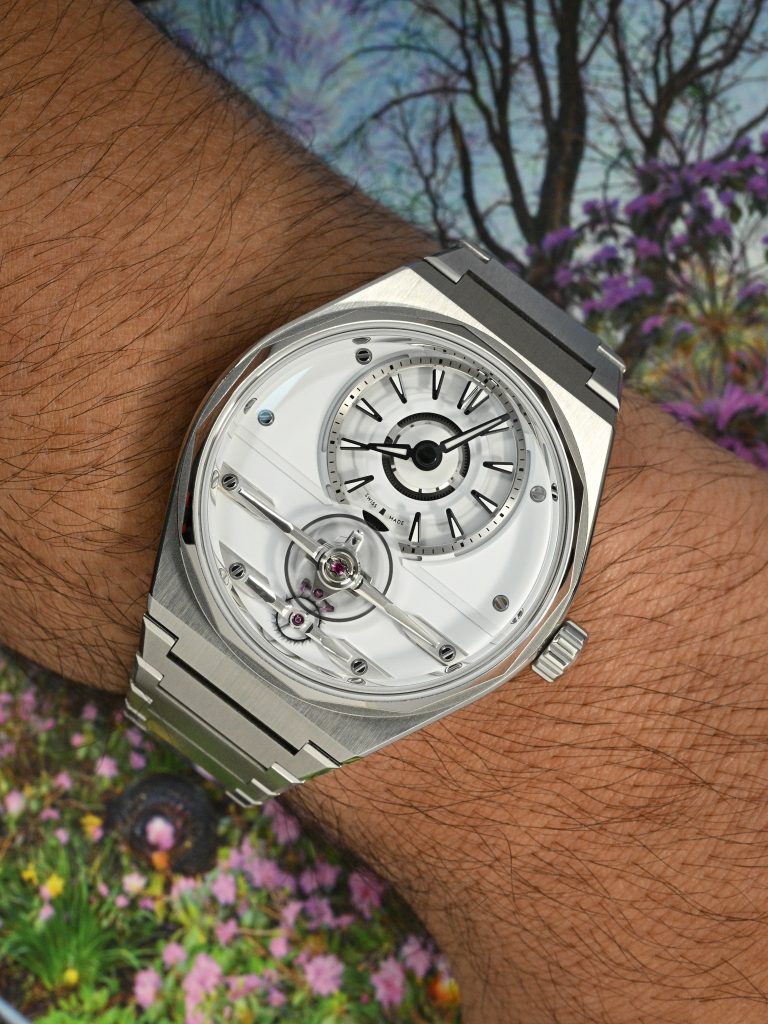
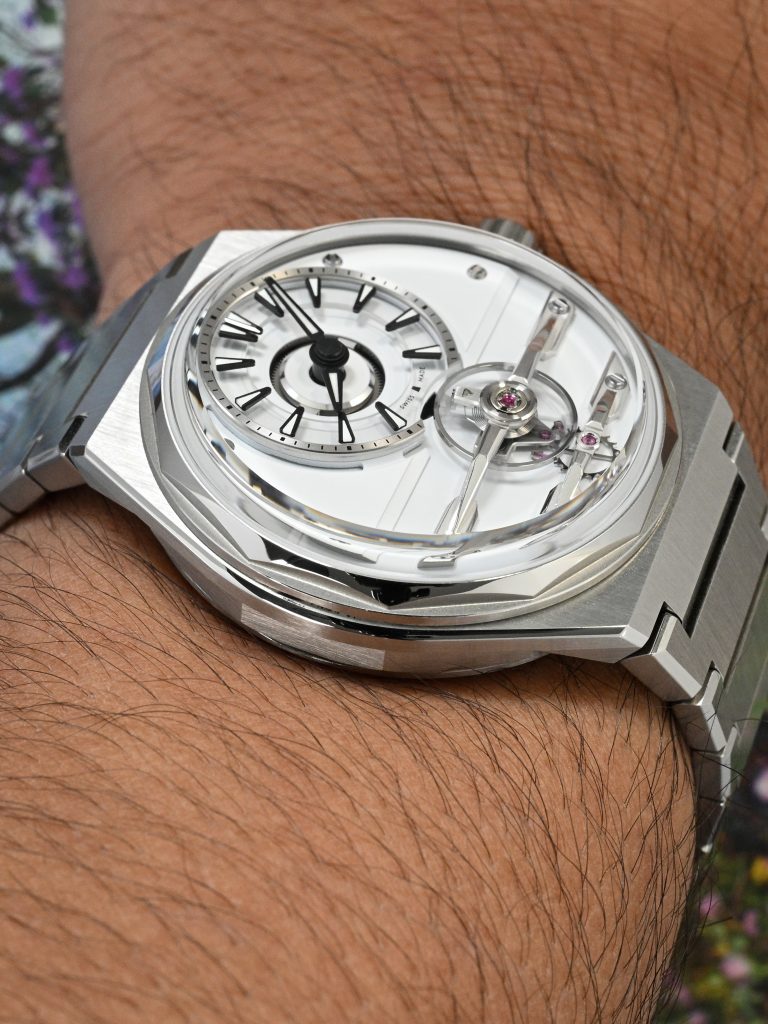
Those numbers matter because this is a watch that sounds less wearable on paper than it actually is. It isn’t thin by any means, but it is very well resolved. A lot of the visual height comes from the crystal, not from a chunky case body, and that helps it sit much better on the wrist than you might expect.
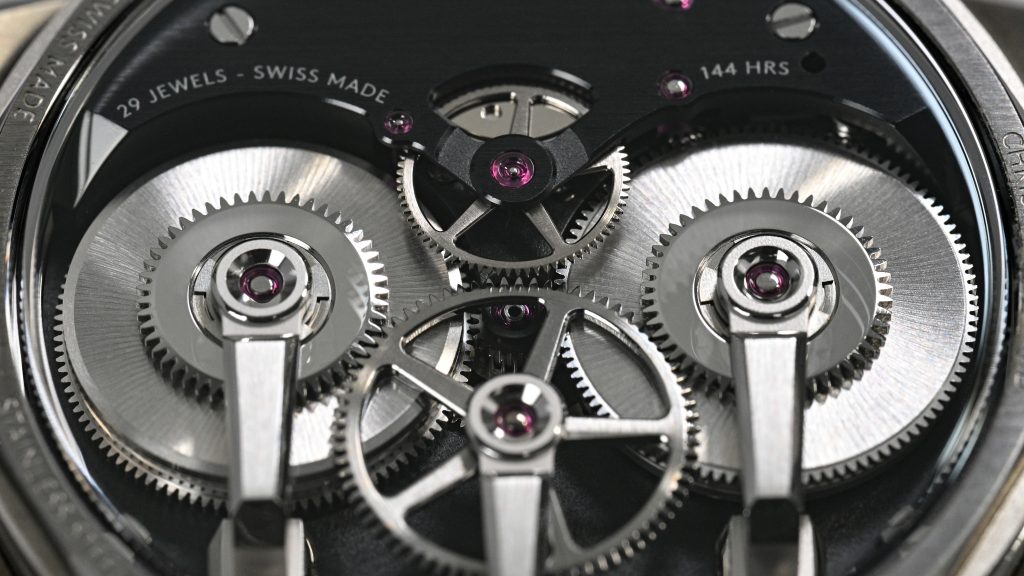
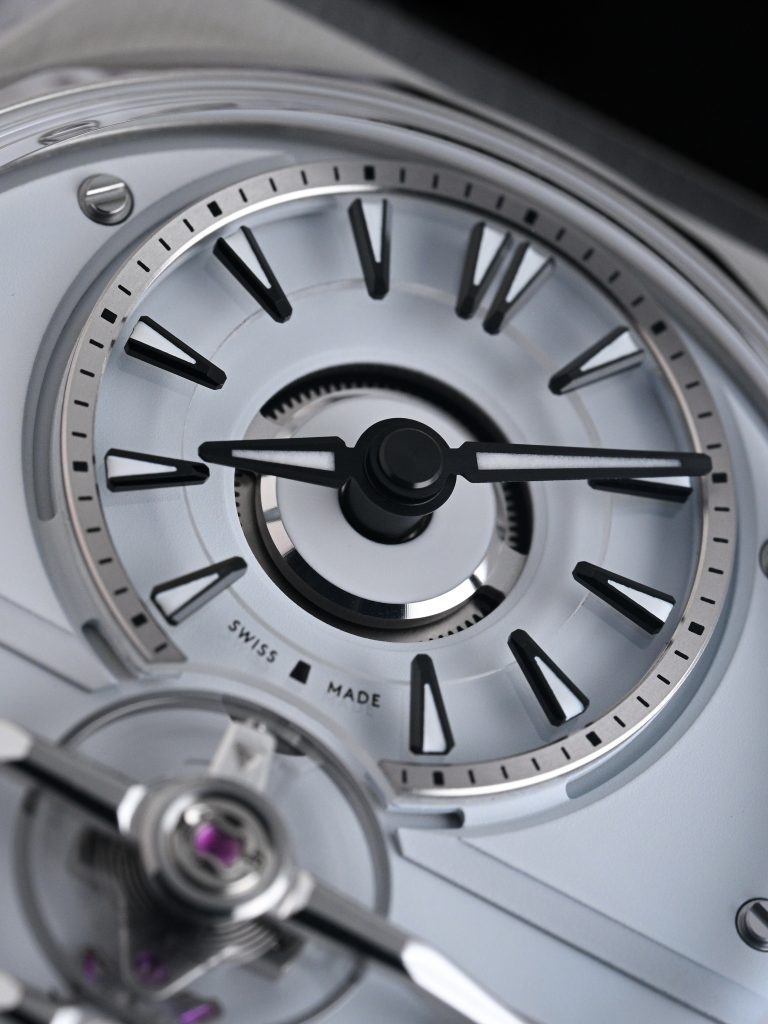
And then there’s the movement, which is still the main event. The off-center time display, exposed escapement, free-sprung balance, and hand-finished bridges come together in a way that feels unusually mature for the money. Even now, it doesn’t read like an open-heart dial or a skeletonized watch trying to show-off complexity. It feels like a movement designed from the start to make its regulating organ the focal point while still keeping the overall design clean and balanced.
What did I miss the first time around?
Looking back at other hands-on reviews after living with the watch, the most useful added perspective came from how they explained its value proposition. The broad picture seems to be that Christopher Ward was very deliberate about where the money went: more cost-effective sourcing for many external parts, but real effort spent on the movement architecture, finishing, and Swiss-side work. That makes the Loco more interesting to me, not less. It helps explain why the watch feels like such an outlier at this price.
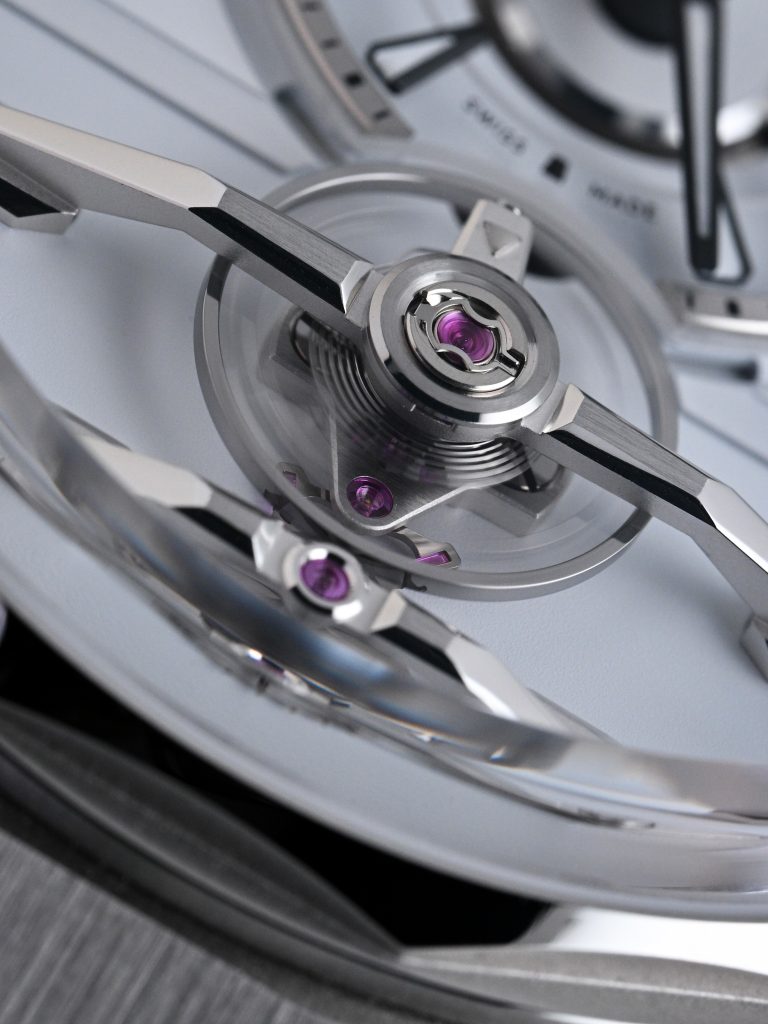
I also agree with the general consensus that this watch made more sense in the Twelve case than it would have in something like the Bel Canto case, at least for starters. We now know that Christopher Ward does have another case offering brewing for this movement, as seen by their limited edition run for British Watch & Clock Makers. The angular architecture of the C12 gives it a more modern home, and removing the crown guards from the regular Twelve layout helped clean things up further.
Long Term Ownership
One thing I appreciate more now than I did at first is the bracelet. I still don’t think it’s especially impressive in pure design terms. The links are simple and somewhat blocky, and on design alone it feels closer to something like a Tissot PRX than a Romain Gauthier C or Patek Philippe 5711. But after wearing it almost exclusively on bracelet for ten months, the experience is more elevated than the design suggests. The finishing is good, it drapes well, and the bevels along the tops and sides of the links are nicely judged. Aside from one slightly sharp edge under the mid-case where it bends into the lugs, there really aren’t many unpleasant edges anywhere. That sounds like a basic expectation, but it isn’t if you compare it to watches like the PRX or even the Czapek Antarctique. And as I said in the first review, the on-the-fly adjustment continues to be a genuine blessing.
By contrast, I never really liked the rubber strap. It was simply too supple for my taste, and the bracelet always felt like the better match both physically and visually.
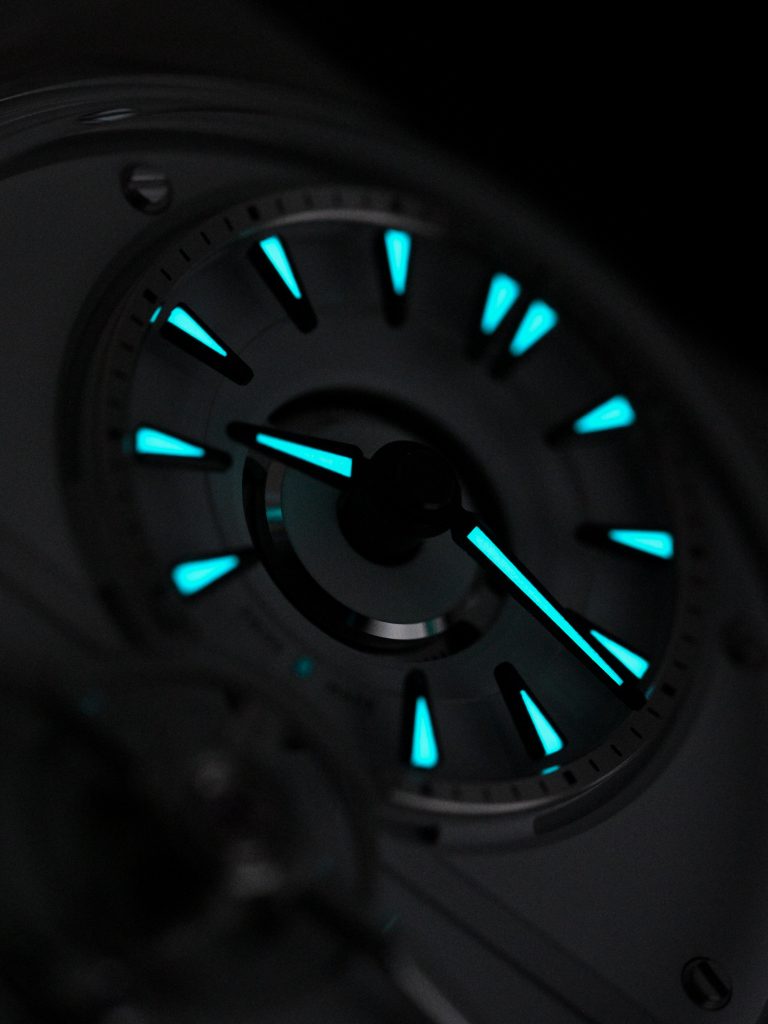
The lume has also been better than I expected. In fact, I think it’s one of the more underrated aspects of the watch. The hands and indices are small, and visually this is not a watch that suggests huge lume performance, but Christopher Ward somehow packed a surprising amount of brightness and longevity into those tiny elements. After comparing it with quite a few other watches, I can comfortably say it outperforms a lot of pieces with much larger lumed surfaces.
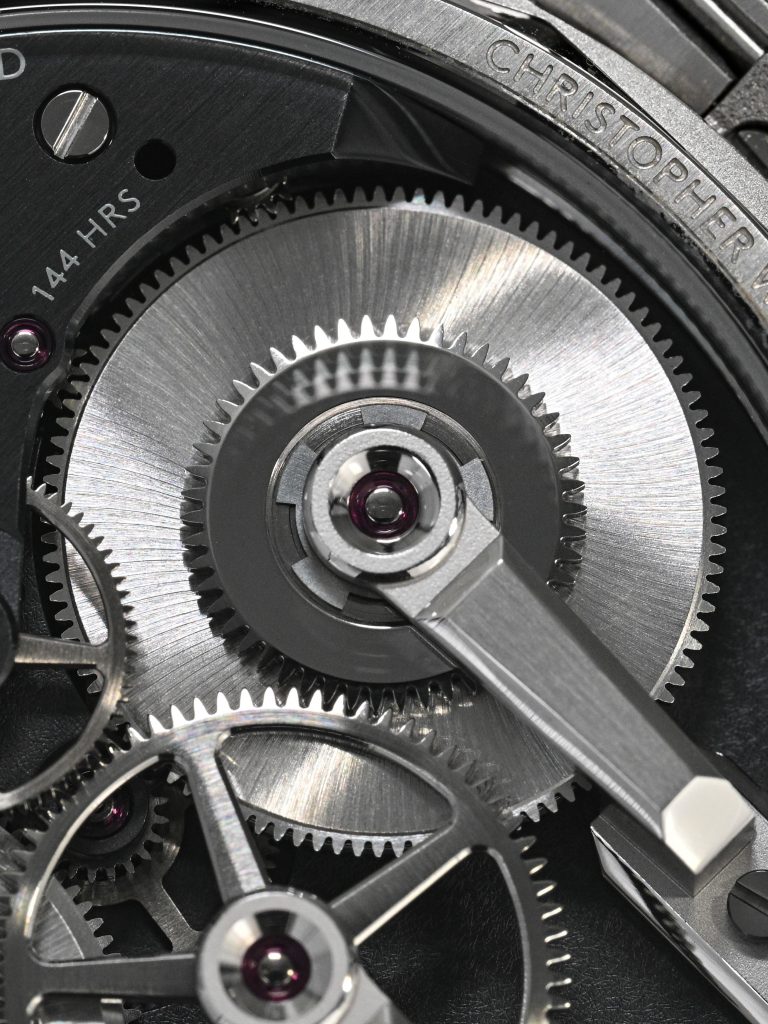
The manually wound movement and screw-down crown combination also turned out to be much less annoying than some critics suggested. Is it an extra step? Sure. Is it slightly odd on a watch with only 30 meters of water resistance? Also a strong yes. But with a 144-hour power reserve, you’re simply not winding it often enough for it to matter much. In daily use, it has been a non-issue.
The water resistance is still the one practical limitation I haven’t fully made peace with. For the first few months I definitely babied this watch a bit because of that 30-meter rating and because the watch looks delicate and architectural. I don’t anymore. At this point I wear it much more like any other daily watch, and it has held up well. Still, if this watch had 50 to 100 meters of water resistance, I could easily see it taking even more wrist time from the sportier pieces in my collection.
CW003: Underrated
And then there’s the movement itself, which I think may actually be very underrated. It’s been about a year since this watch came out, and I still can’t believe more people aren’t talking about how beautiful it is. The bridge work, the component shapes, the proportions of the exposed balance and escapement, and the way the front and back feel visually related without being repetitive are all exceptionally well judged. And I say that as someone who has owned higher-end watches from brands like Armin Strom, A. Lange & Söhne, and Patek Philippe. No, this does not match those brands in absolute finishing or artisanal depth. But that was never the point. The point is that Christopher Ward created a movement that remains deeply impressive even after the novelty wears off.
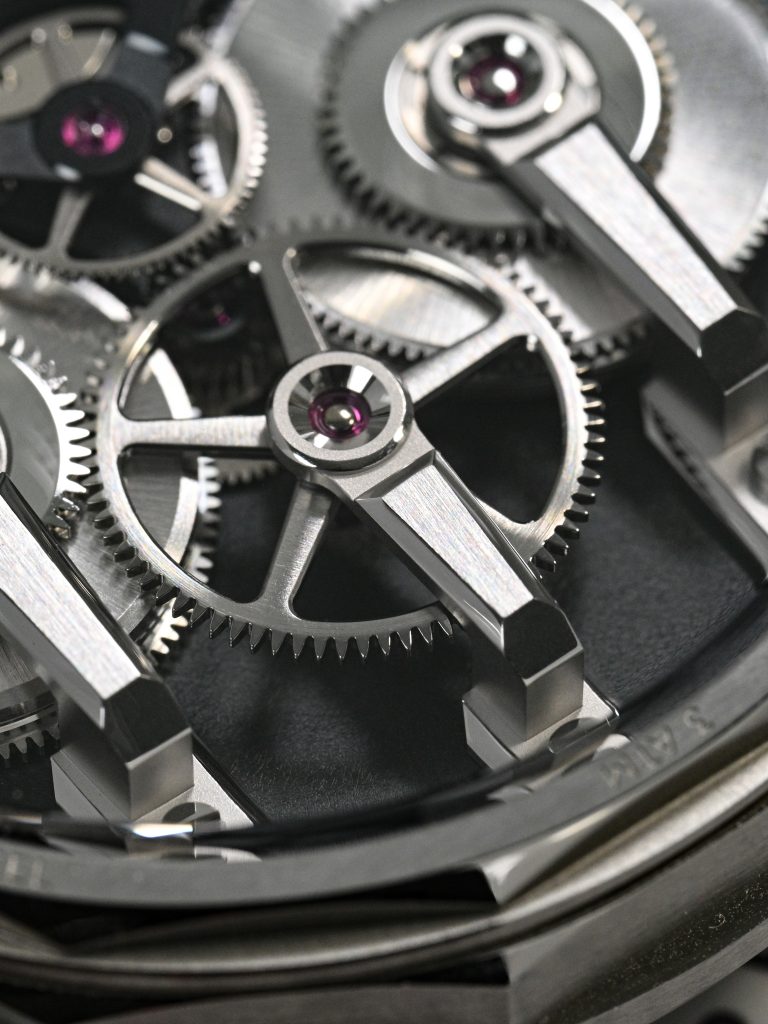
As for accuracy, I didn’t notice any meaningful deviations over these ten months, though this is also the kind of watch where tracking very small deviations is harder because there’s no seconds hand. So I can’t make any precise claims there, but I also never had a reason to think it was running poorly.
White Dial: Yay or Nay?
Finally, I don’t regret choosing the white dial at all. That decision was deliberate from the start. Polished hardware against a dark dial can sometimes create a slightly washed-out visual experience, especially on a watch where the real appeal is the shape and finish of the mechanical components. I chose the white dial because I wanted a cleaner canvas for the bridges, balance, and escapement to stand out against, and that instinct was absolutely right. The white version still gives you all the same drama, but in a way that feels calmer and a bit more legible.
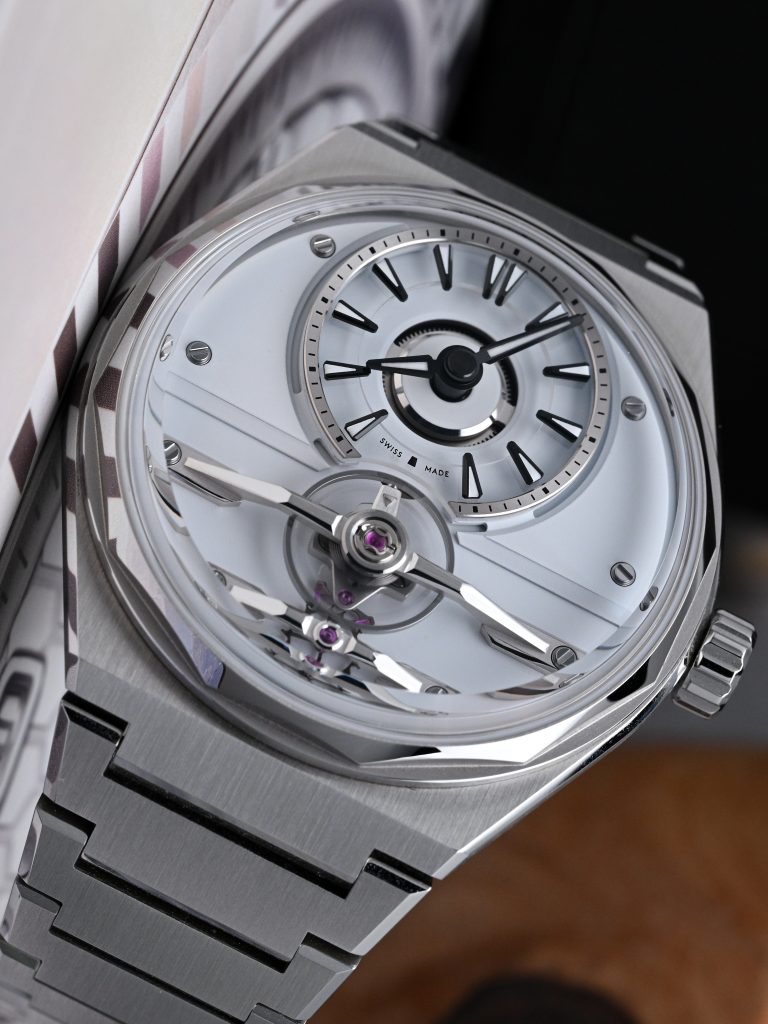
I did really like the Worn & Wound collaboration, especially the added texture and warmer off-white tone, but in general I still think white is the best color for this watch if your main goal is to appreciate the mechanics.
Conclusion
A year later, I think the C12 Loco has held up exactly the way I hoped it would. The case still wears well. The movement still feels special. The bracelet still over-delivers in comfort and finishing even if its design is fairly ordinary. The lume is still surprisingly strong. The screw-down crown has been a non-issue. And the white dial remains, for me, the right way to experience this watch.
If anything, owning it long term has only made me more confident in the original conclusion: this was one of Christopher Ward’s best modern releases, and one of the more interesting value propositions in recent watchmaking.